The best humidity levels for people and materials
Text Desiree PenningsImage Condair
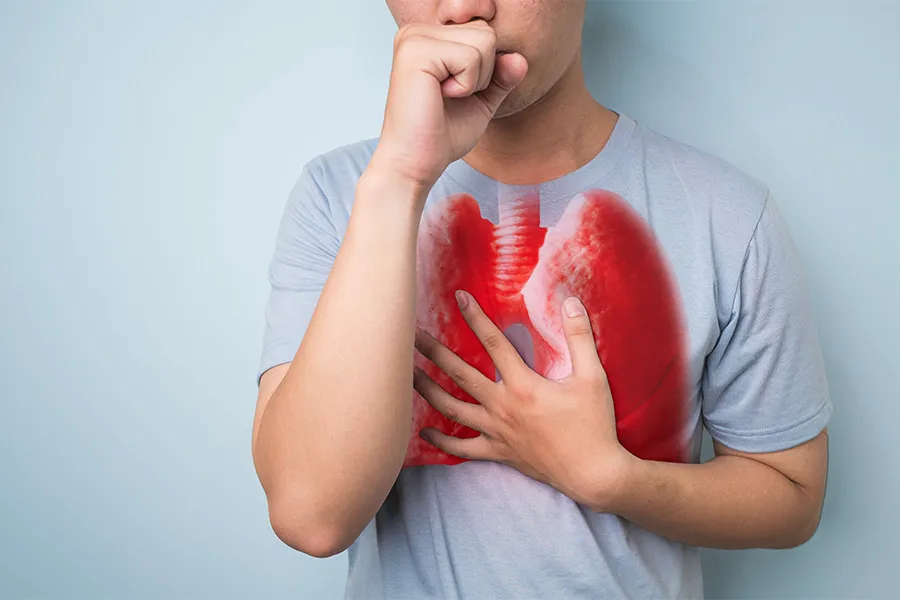
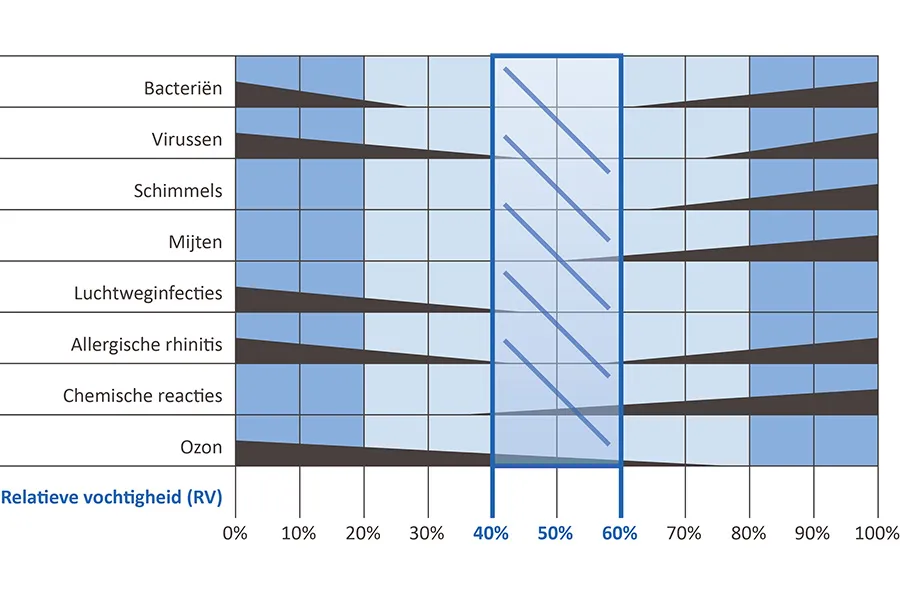
Did you know that people function best at a relative humidity of between 40 and 60 per cent? And that this range is also best for most products? At these levels, viruses, bacteria, mould and even pollen have the least chance of spreading. Condair is the world market leader in commercial and industrial humidification and dehumidification. The company has found that humidity is often overlooked when it comes to indoor climate.
The air inside buildings is often too dry, for example because of air-conditioning systems and the heating of cold outdoor air. Pollen, bacteria and viruses then remain airborne more easily and can spread more readily. Research by Yale University shows that dry air has a direct impact on our bodies. Low humidity can weaken the immune system, making us more susceptible to infections. Dry air can also damage our airways and cause dry skin, dry eyes and headaches.
A solution for every need
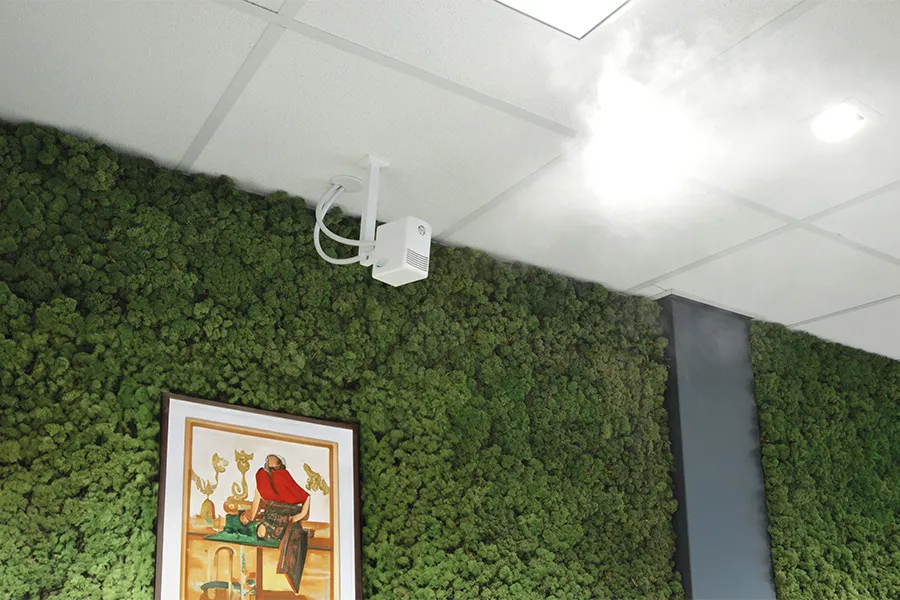
The preventive effect of humidification against infections can also be seen in hospitals, where it is widely used in operating theatres and wards, for example. Stefan Rijsmus, marketing manager at Condair, says: “Your mucous membranes work better at the right humidity, but humidity is also important for preserving products. Just look at museums, where collections have to be kept under the right conditions. We supply products for industry, offices, hospitals, museums and schools. Thanks to our extensive range of humidification and dehumidification systems, we have a suitable solution for every application.”
Small and large
It is not true that opening a window or door improves relative humidity. Relative humidity is linked to indoor temperature, which often remains fairly constant. The only real solution is to add or remove moisture from the space. Which product Condair supplies depends on the customer’s requirements and the environment in question. “Our range includes small and large systems, and we also rent out products to companies temporarily based elsewhere. We have mobile systems for museums, because you cannot simply drill into the walls of historic buildings,” says Rijsmus.
Cold water
Condair supplies humidifiers that use either steam or cold-water atomisation, Rijsmus explains. “Air can be humidified with steam, but this uses more energy. Cold-water atomisation is better suited to the sustainability requirements now being applied to buildings. We use water that has been purified and is 100 per cent hygienic. The systems are also completely hygienic and certified, just like our steam systems.”
Humidifiers are more often needed, but sometimes it is necessary to dehumidify instead. If this is not done and humidity is too high, mould can develop and bacteria and viruses can multiply more easily. It is therefore important to keep humidity between 40 and 60 per cent, whatever the starting level.
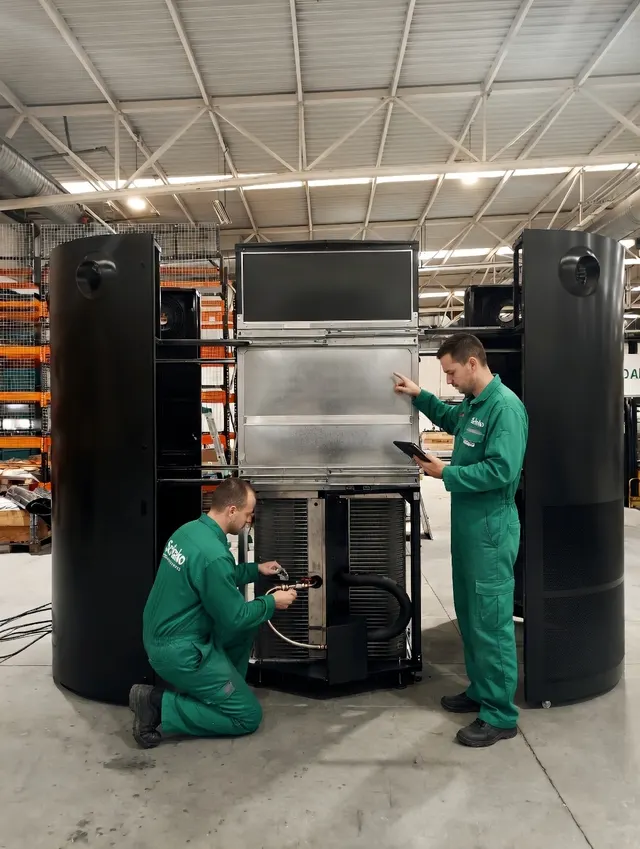
Whichever system the customer chooses, Condair’s humidification systems are developed in-house and manufactured by the company. If a customer chooses a Condair Draabe system with the full-service maintenance concept, Condair can even offer a lifetime guarantee. “Because we maintain the systems ourselves, customers do not have to worry about them,” says Rijsmus.
Een zakelijke vraag aan Condair BV? Get in touch
Companies in this story
Keep following this
Get an email when a new story is published. No account needed.
- ThemeHealthy indoor air
- SubjectAir handling
- CompanyCondair BV