‘Start preparing customers for building automation requirements now’
Text Lieke BousemaImage Webeasy
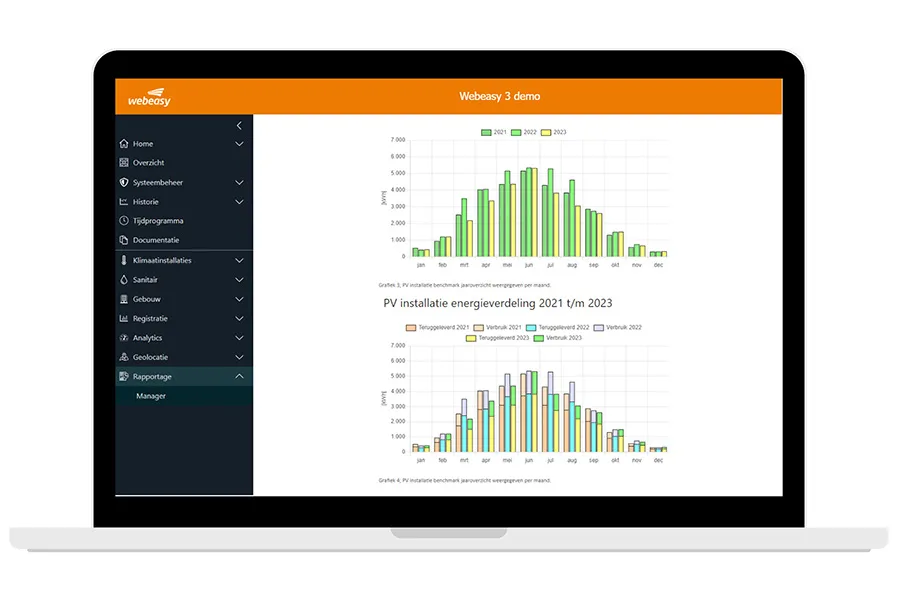
New legislation on energy management requires building automation and control
Buildings in the EU account for 40% of energy consumption and 36% of energy-related greenhouse gas emissions. The transition of the building sector is therefore crucial. To meet emissions reduction targets, we need to improve the energy performance of our buildings. We also need to reduce the use of fossil fuels. The European Commission has developed a number of incentive directives, such as EPBD III (Energy Performance of Buildings Directive), which sets system requirements for building services. Periodic inspections of heating and air conditioning systems and EV charging infrastructure are also mandatory.
EPBD III and GACS-ready
An addition to EPBD III is GACS (building automation and control system). From 1 January 2026, non-residential buildings with, for example, heat pumps, boilers and/or air conditioning systems with a rated output of more than 290 kW must be equipped with a building automation and control system. In the Netherlands, an energy label C or better has been mandatory for office buildings of 100 m2 or more since 1 January 2023. From 2026, a similar requirement will therefore also apply to other buildings. A directive (EPBD IV) is also being drawn up to require periodic technical inspections of all heating and air conditioning systems with a rated output of 70 kW or more. “From 2026, all office buildings, large and small, will have to provide insight into their energy performance,” says Bas den Boer, Senior Engineering Consultant at Webeasy. “That may seem a long way off, but appearances can be deceptive. Installers need to start preparing their customers for the new legislation now.
Webeasy is here to help. From mid-2024, our control system software will comply with the EPBD III and GACS requirements, and we will make sure we are EPBD IV-ready well before the deadline.”
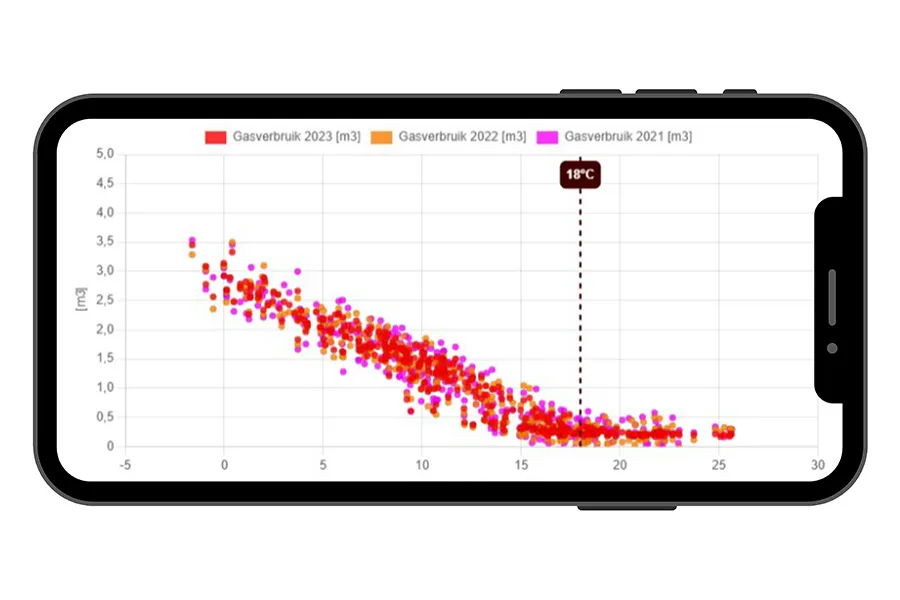
Start monitoring energy use in Webeasy 3.2
As a first step towards meeting the new legislation, Webeasy has focused on reporting. The new Webeasy 3.2 software, for example, includes a graphing module with benchmarking capabilities and standard reports, says Den Boer. “The first practical report is an EBS (Energy Registration and Monitoring System) report, which gives owners and managers of office buildings insight into current energy consumption at the touch of a button and in line with current legislation. This enables them to make targeted savings and improve sustainability, and to achieve a better energy label (C or higher). These benefits are becoming increasingly relevant to owners and managers of smaller office buildings too.”
Continuous development
But development does not stop there. “Over the coming years, we want to refine our product further,” says Den Boer. “For example, by developing (statistical) analysis software to further optimise building use, reduce energy consumption and minimise energy losses, without compromising comfort. We also want to integrate KPI (Key Performance Indicator) monitoring and smart grid solutions into our Webeasy software suite, so that the balance between energy consumption, generation and storage can be carefully adjusted to expected weather conditions, dynamic energy prices and space usage.”
A business enquiry for Webeasy? Get in touch
Companies in this story

Keep following this
Get an email when a new story is published. No account needed.
- ThemeSmart buildings and controls
- SubjectBuilding automation
- CompanyWebeasy