From installer to energy manager
Text Lieke BousemaImage Elektropartners, Rick Akkerman Fotografie
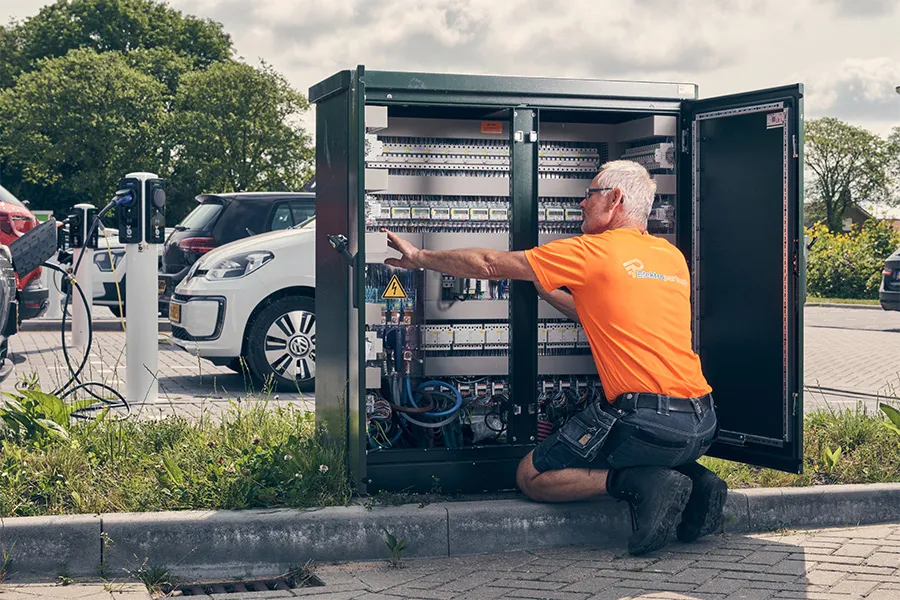
Grid congestion calls for smart installation and management of energy generation and consumption
The electricity grid is becoming full in more and more parts of the country, as increasing numbers of households and businesses install solar panels, heat pumps and charging points for electric cars. The effects will become increasingly apparent in the coming years, as much of the industry must become more sustainable, homes undergoing renovation are required to disconnect from the gas grid, and new residential areas also need to be connected to the electricity grid. Elektropartners is also feeling the effects of the overloaded energy grid.
“We hear from customers every day who want to build new premises or expand their building or production line, but cannot get a larger connection to do so,” says commercial manager Roald de Jong. “We also hear from businesses that have covered their roofs with solar panels but are no longer allowed to feed their surplus production back into the grid, or have to pay to do so. Several customers also want to electrify, but there is not enough energy available from the grid to power their heat pumps and electric cars, lorries and/or machinery.” In all these cases, Elektropartners advises managing energy requirements. “Customers often have two energy sources: grid electricity and solar power. By storing this energy intelligently and using it later or selling it back to the grid, the desired expansion or move towards sustainability is often possible after all.”
Smart energy management
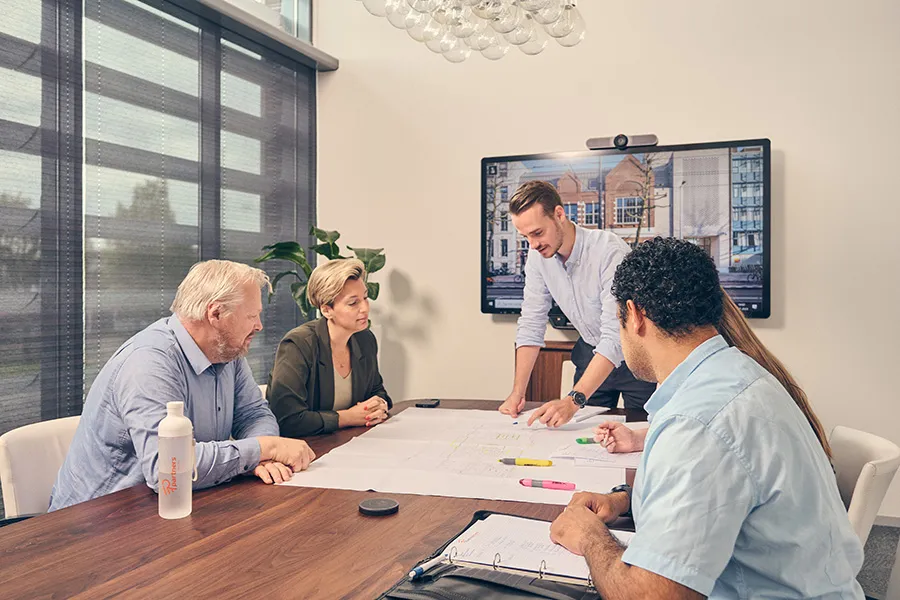
To achieve this, Elektropartners uses a smart energy management system that perfectly coordinates grid electricity, solar panels and battery storage. “We build a digital twin of the client’s entire facility, including its actual energy values,” says De Jong. “We then simulate potential bottlenecks and resolve them. For example, by installing additional batteries and/or using load balancing for heat pumps and EV chargers. Combined with a dynamic energy contract, the investment in such systems can quickly pay for itself.” According to De Jong, large businesses are increasingly becoming energy hubs that generate energy for their own use or for local use. “Businesses such as Bejo Zaden and Intratuin Heerhugowaard, for example, recognise the importance of this and are taking the necessary steps. We are very proud to be involved.”
Bejo Zaden Warmenhuizen
Elektropartners has been Bejo Zaden’s regular electrical installation contractor for 45 years. “We have also been able to deliver several projects for this global player,” says De Jong. Elektropartners installed all the electrical systems for the new head office in Warmenhuizen, from LED and emergency lighting to PV, data, burglar alarm and fire alarm systems, building automation and access control. “The building has been made as smart as possible, particularly in terms of energy consumption. For example, we installed a smart charging hub with forty charging points, where cars only charge when there is enough solar power available and energy prices are low. The heat pumps also switch on at the most favourable time, while a load balancing system connects and coordinates all energy sources and users. When there is surplus solar power, a thermal battery is charged, while excess energy is fed back into the grid when conditions are favourable. And many other measures have been taken to ensure energy is used efficiently and intelligently.”
Intratuin Heerhugowaard
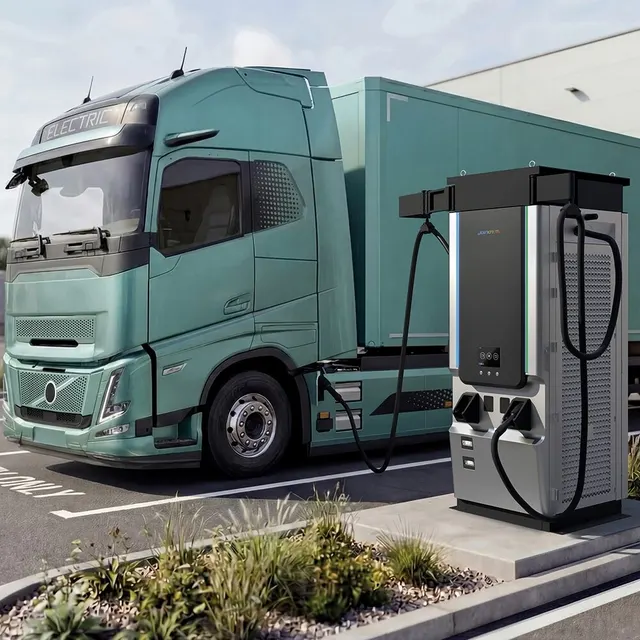
In September, Elektropartners completed a project for Intratuin in Heerhugowaard, featuring an innovative smart energy storage system, an advanced charging hub and a completely refurbished restaurant area. “Intratuin Heerhugowaard has a large number of PV panels and an electrical connection with more capacity than it needs,” says De Jong. “The surplus capacity that is not used would normally be taken back by the grid operator and redistributed. Working with Intratuin Heerhugowaard, we came up with an alternative solution that delivers much greater returns for the garden centre. This includes two energy storage systems, each with a capacity of 200 kWh, combined with an AC charging hub with twelve 22 kW connections where customers can charge their cars. A 360 kWh rapid charger has also been installed for cars and lorries. Combined with our intelligent software, and using artificial intelligence, machine learning and AI, this can generate an additional revenue stream. Together with the option of trading on the energy market, this means Intratuin Heerhugowaard will recoup its investment within three years.”
National Holocaust Museum Amsterdam
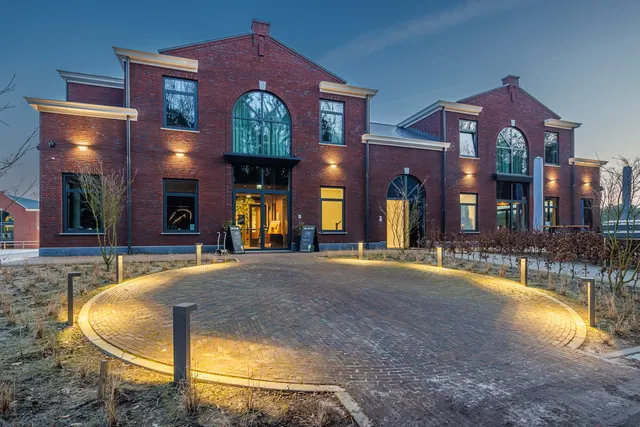
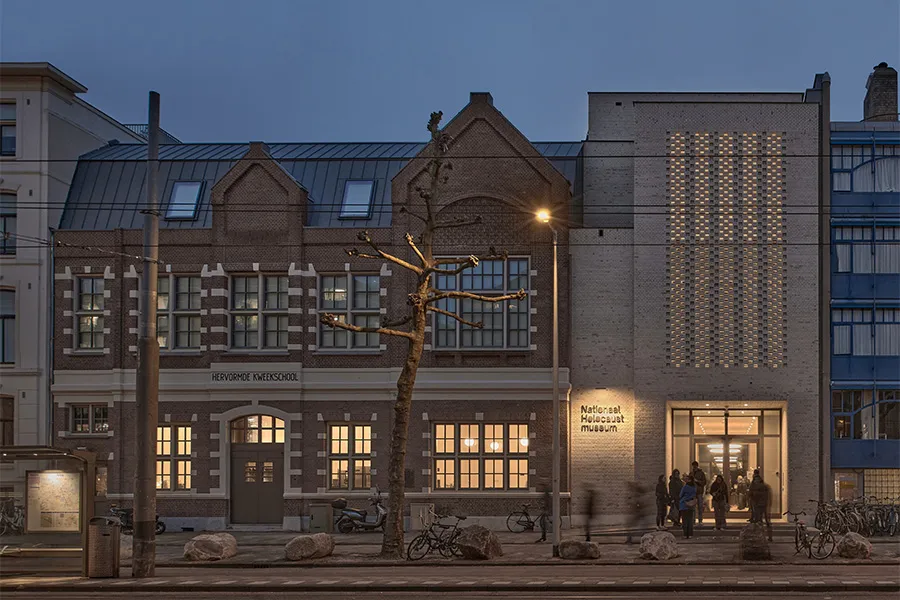
One project that has been particularly rewarding for Elektropartners is the National Holocaust Museum in Amsterdam, the first and only museum to tell the story of the persecution of Jews throughout the Netherlands. Major work was needed to adapt the former Hervormde Kweekschool for its new and important purpose, including extensive changes to the electrical installations. Stichting Hollandsche Schouwburg entrusted Elektropartners with this important task. The company also installed the electrical systems at the Hollandsche Schouwburg. “We consider it an honour to have been able to contribute to this project of great social importance,” says De Jong. “Our installation engineers were fully briefed on the museum’s story and carried out their work thoughtfully, with great satisfaction and respect.” He cites the wall through which hundreds of children were smuggled to freedom, which could not be damaged under any circumstances. “At a family day after the project was completed, our employees and their immediate families were able to see the results they had helped achieve.”
Question about this story? Ask your question
Keep following this
Get an email when a new story is published. No account needed.
- ThemeGas-free heating and cooling
- SubjectElectrical engineering