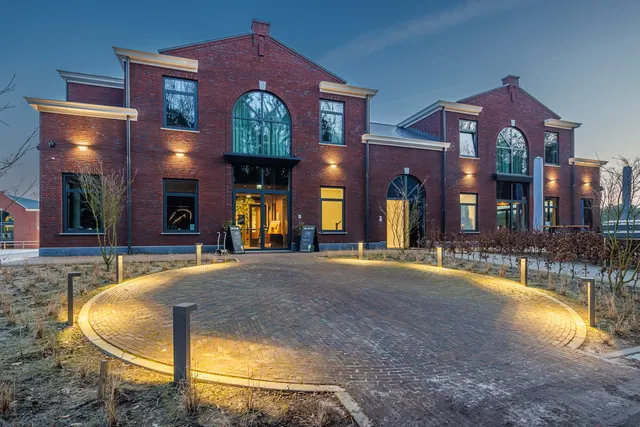
Royal frontrunner in hydrogen
Text Chris Elbers/Koninklijke van TwistImage Koninklijke van Twist
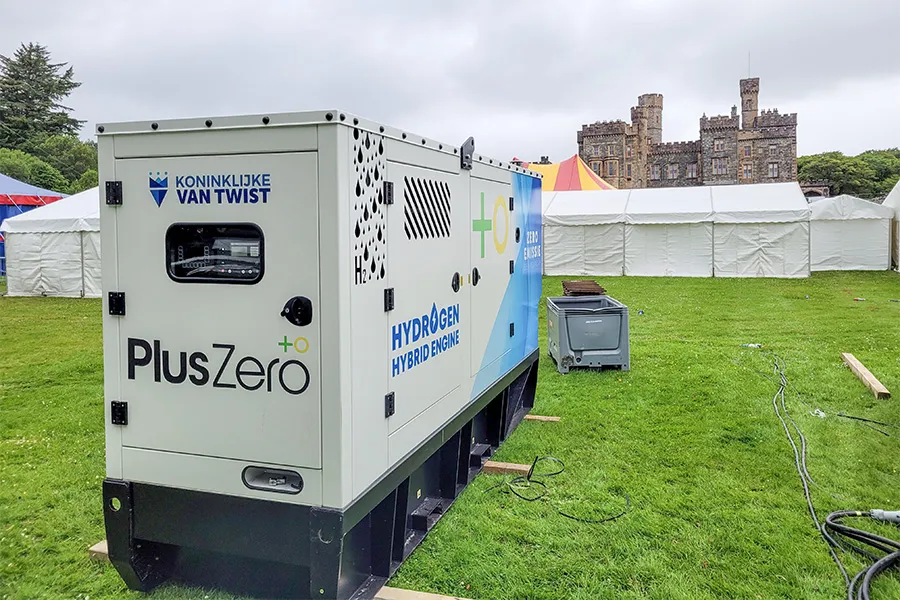
Company offers a broad and varied product portfolio
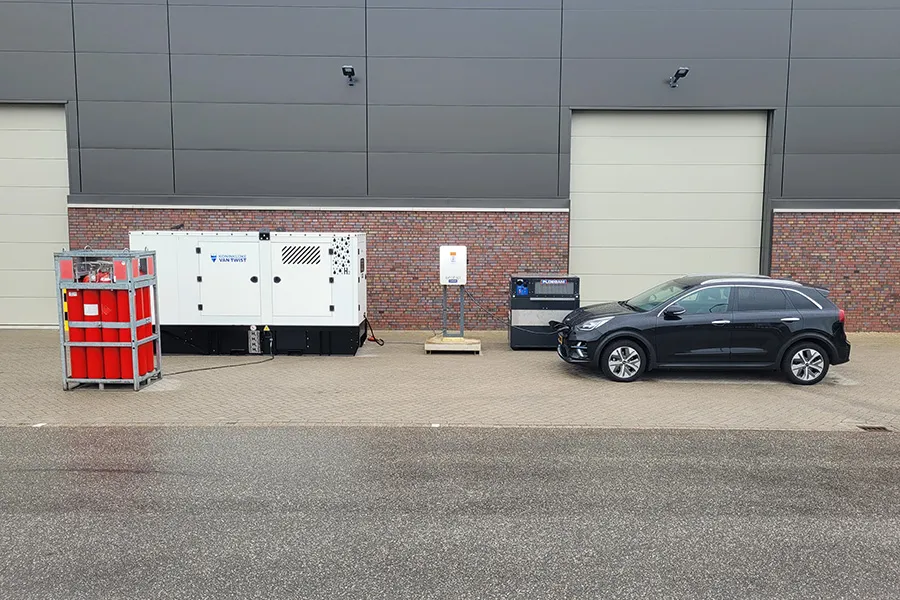
When it comes to making construction and industry more sustainable, Koninklijke van Twist (KVT) is at the forefront worldwide. Particularly in the use of hydrogen, the most sustainable fuel available in 2023. Several renowned companies at home and abroad are already using ‘KVT Hydrogen Solutions’. The portfolio of these pioneering ‘green’ solutions currently comprises conventional hydrogen generator sets, hybrid generator sets and hydrogen engines.
KVT, based in Dordrecht, draws on more than 40 years’ experience with gas engines to develop its hydrogen products. “While the evolution of fuels over the years has been gradual, moving from polluting to ever cleaner options, the drive for sustainability has accelerated significantly with the advent of hydrogen,” says Martijn Friederichs, Development Manager Gas. “Since 2018, we have been fully committed to developing innovative hydrogen-based products. Hydrogen is currently the most sustainable fuel available.”
Hydrogen quickly embraced
These developments are driven by KVT’s own intrinsic desire to become more sustainable, a desire widely shared by the construction and industrial sectors. Demand for sustainable, emission-free machinery is particularly high in construction. Every opportunity to reduce nitrogen emissions is therefore seized. This is precisely why market leaders such as Dura Vermeer, BAM, Gasunie and Mammoet are choosing KVT’s hydrogen generator sets and engines.
Developed in-house
Although hydrogen is not new, its use in engines and generator sets has been a long time coming. This is first and foremost a matter of safety. “Hydrogen, not for nothing known colloquially as ‘knallgas’ [explosive gas], ignites very quickly, and the risk of so-called backfires is high,” Friederichs continues. “KVT solved this problem with an ingenious port fuel system, a proprietary engine control unit and close collaboration with a leading turbocharger supplier.”
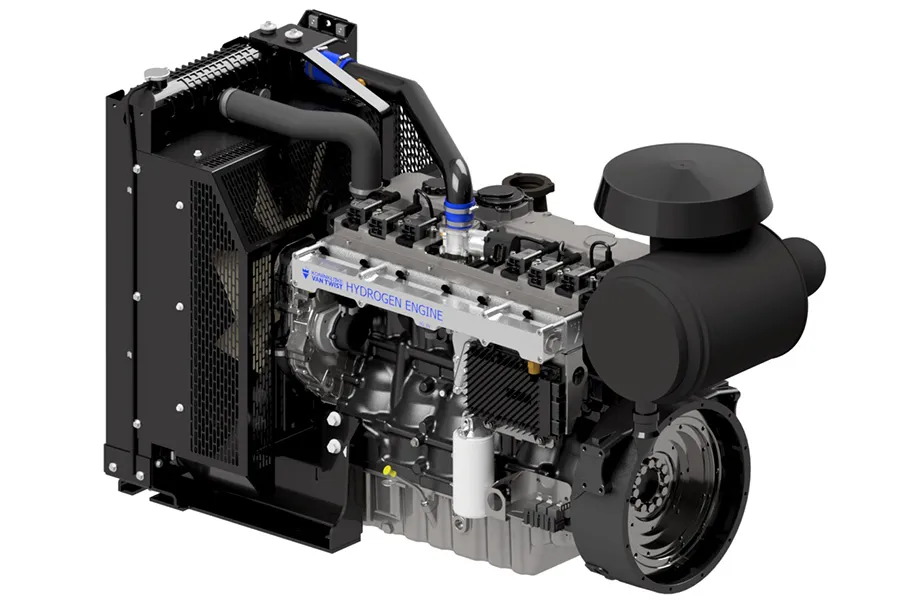
Zero Emission Hydrogen Internal Combustion Engine
Intensive R&D and extensive testing, combined with KVT’s many years of knowledge and experience, have already resulted in H2 ICE: Zero Emission Hydrogen Internal Combustion Engine. This 6-cylinder engine (100 kWm/1,500 RPM) uses two injectors per cylinder. KVT is currently working on a 4-cylinder engine and a higher-output version to meet growing demand across a wide range of applications. This demand is driven by both economic and environmental considerations.
Market leaders innovate alongside KVT
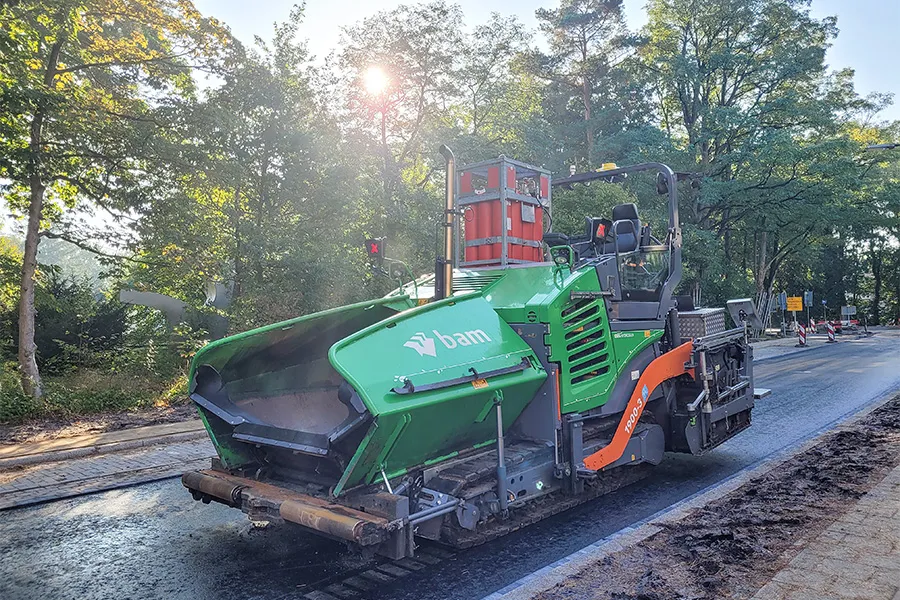
BAM Infra was the first to use an asphalt paver powered by a hydrogen engine. KVT replaced the diesel engine with its own hydrogen engine. The result for BAM: a reduction of more than 80,000 kilograms of CO2 per year, per machine. Dura Vermeer is also exploring the potential of hydrogen on construction sites with KVT. In addition, KVT’s generator sets have been used on several occasions during lifting projects by Mammoet. “The construction sector is becoming more sustainable at a rapid pace,” says Friederichs, describing the developments under way. “KVT is very much at the forefront.”
Fuel of the future
KVT is working hard to explore these and many other applications for ‘the fuel of the future’. With its expertise, determination and the right partners, the company has achieved a breakthrough in generator technology. “We have already taken the first major steps in gas engines and sustainability,” Friederichs says, reaffirming KVT’s pioneering role. “But we never stop coming up with new ideas, and remain committed to the sustainable development of construction and industry. With hydrogen and whatever may come after it. Development and a drive to innovate are in our DNA.”
Question about this story? Ask your question
Keep following this
Get an email when a new story is published. No account needed.
- ThemeSustainable refurbishment of existing buildings
- SubjectElectrical engineering