Safely storing and charging batteries in a charging safe
Text Ramona KezerImage Seefion
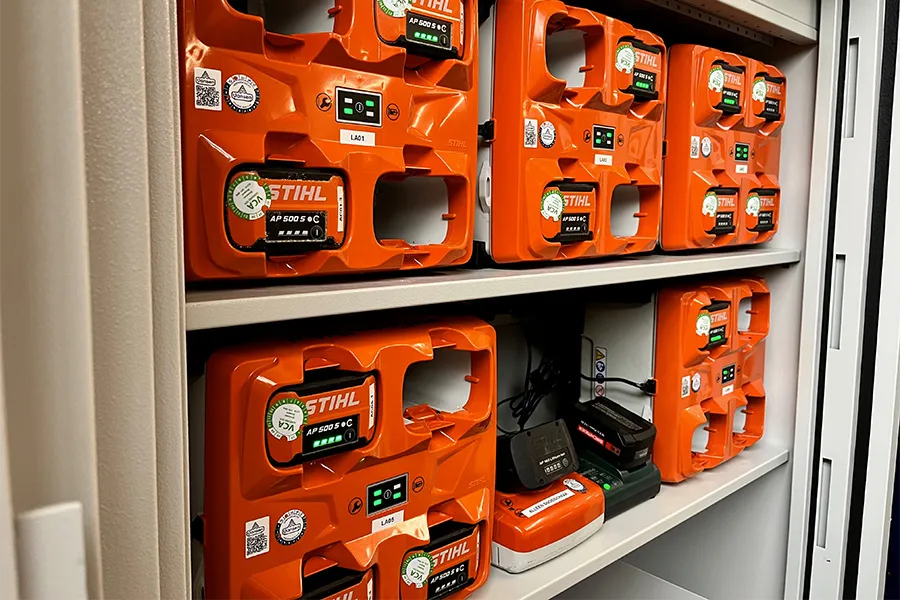
Fire- and explosion-resistant security safe
As electrification gathers pace in the energy transition, the number of batteries is rising rapidly. This presents a major fire risk. Seefion has developed a solution: a safe charging cabinet. “The starting point is a security safe that is guaranteed not to burst open in an explosion.”
Seefion founder Remco van Kuilenburg came up with the idea for the charging safe three and a half years ago. Van Kuilenburg’s neighbour, a major dealer in power tools, had been approached by the municipality of Apeldoorn to provide a safe charging solution for batteries. “At the time, there was nothing safe available, and converted flammable-liquid cabinets were being used to store batteries. However, these cabinets only met fire safety requirements for fires originating outside the cabinet. For a charging safe, fire safety from the inside out is what matters. What’s more, only the individual panels of these cabinets had been tested, not the cabinet as a whole.”
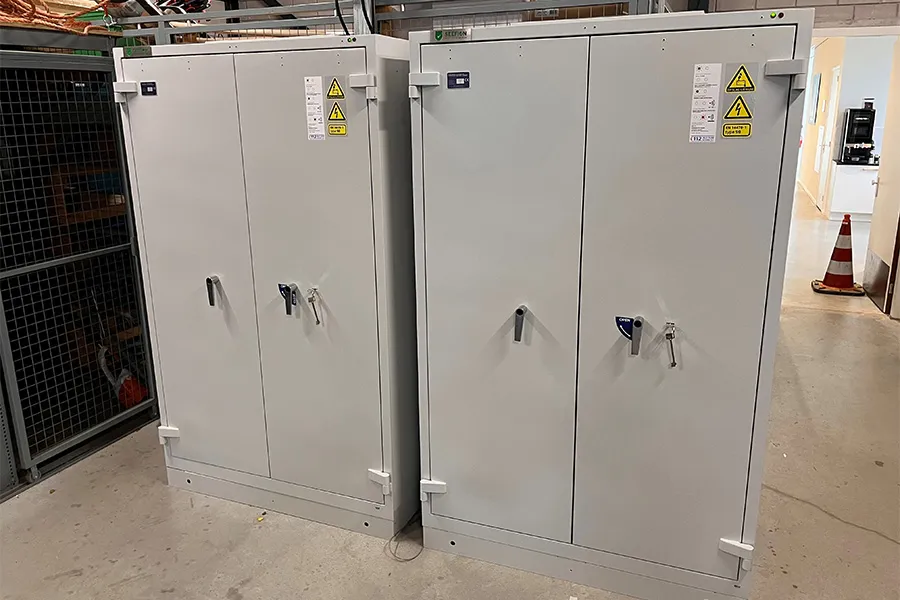
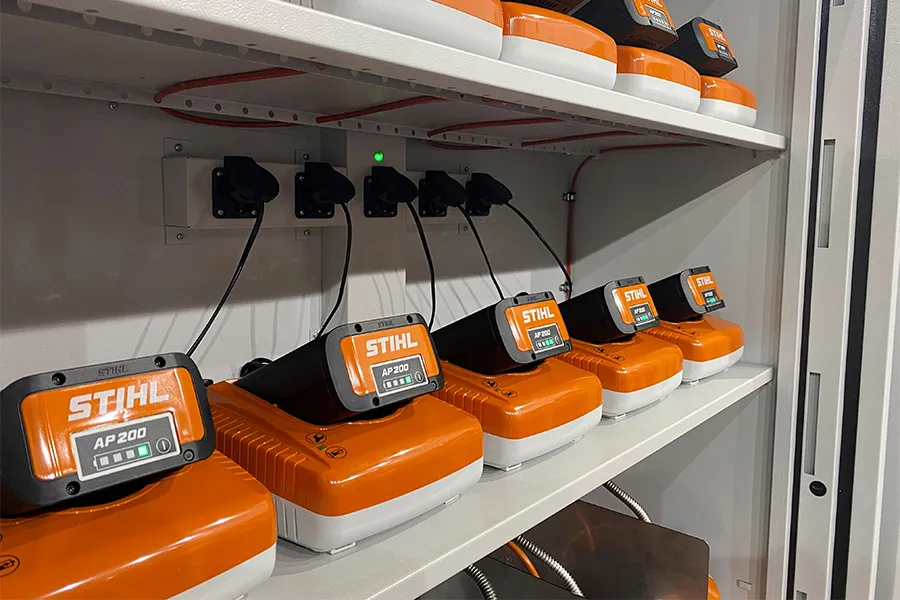
Van Kuilenburg decided to develop a solution himself. He started with a security safe fitted with locks and hinges that would be guaranteed not to burst open in an explosion inside the safe. Seefion brought its first charging safes to market at the end of 2020. They are fitted with twenty sockets with standard 230 V connections and a smoke detector. Van Kuilenburg: “We supplied the first charging safes to the municipality of Apeldoorn. By then, we were also in talks with major companies such as New York Pizza. It has a large fleet of electric delivery bikes, but could no longer get insurance cover. The insurer Nationale Nederlanden also asked us to develop four sizes of safe to meet its specific requirements. We did so.”
Thoroughly tested
The safes have been tested by the renowned German testing institute MPA Dresden and carry CE marking. “The safe passed every test with flying colours, including the lithium-ion fire test. Our safe is the only lithium-ion storage solution in the world to have been tested against these most stringent requirements. Any battery fires or explosions are contained within the safe.” In Germany, Seefion is also involved in developing European regulations for the safe storage and charging of batteries, together with organisations including TÜV and Kiwa, as well as European insurers.
Seefion safes are suitable for a wide range of applications. Installers are increasingly being asked to include them in their work. This might be for a municipality building a public works depot, or for office buildings. After all, more and more people have electric bikes. “You see employees charging their batteries under their desks during the working day. That’s really not something a company should allow. This is also a good solution for schools. A battery in a locker with a coat on top is a hazard. Particularly if it’s a cheaper battery, or if the user has dropped it. We need to raise awareness of this.”
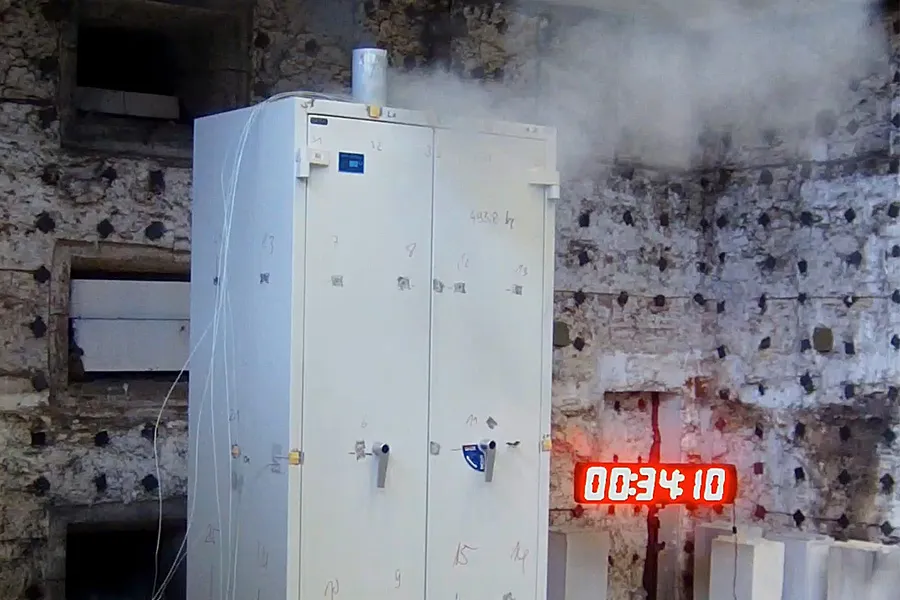
Seefion charging safes can be configured flexibly. They can hold both large and small batteries, up to a maximum of 48 when multi-chargers are used. There is also room for larger backpack batteries. As well as charging, the safes are ideal for storing batteries. There is a risk of fire even when batteries are not being charged. Batteries are also frequently stolen, and these safes cannot be broken into. They are fitted with a keypad lock, a multi-code lock or can be integrated into an existing building access control system.
Four sizes of safe are now available, with another new model on the way. The safes are supplied through a partner network in the Netherlands and Belgium. Interest is high, says Van Kuilenburg. “We expect demand to continue to rise, especially with the forthcoming stricter PGS 37-2 regulations on battery storage and charging. Insurers are adding another layer of requirements on top of that.”
Question about this story? Ask your question
Keep following this
Get an email when a new story is published. No account needed.
- SubjectElectrical engineering