Understanding your electrical installations
Text Valérie CouplezImage fortop
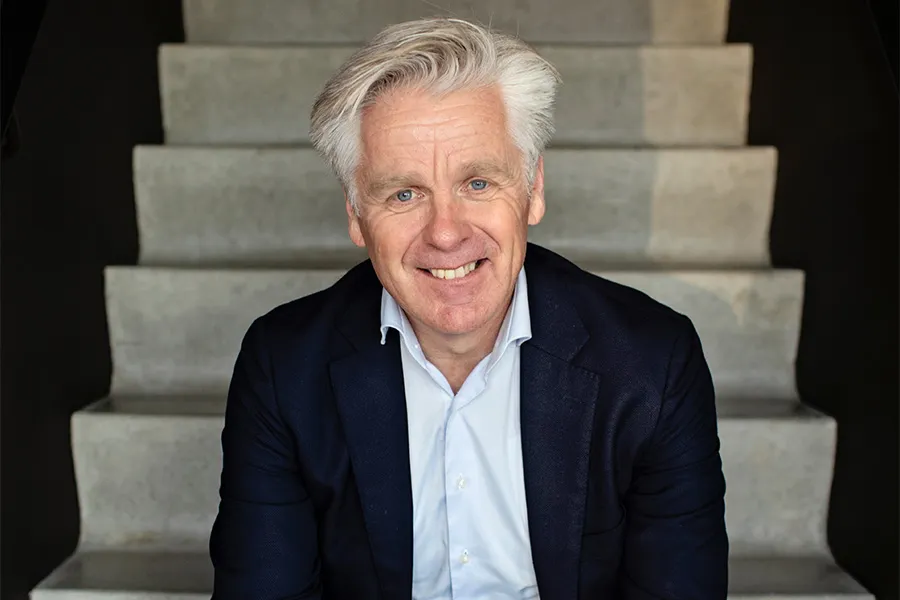
Society is electrifying at breakneck speed. We want to move away from fossil fuels and meet our climate targets. That is all well and good, but there is another side to the coin. In a world of decentralised energy generation, renewable energy sources, batteries, … how can we ensure the quality and reliability of the electricity supply? This is a challenge for production managers as well as grid operators. By keeping an eye on your electricity supply and its quality, you can ensure production continuity. How? By measuring and monitoring. This is an area in which Janitza products, distributed by fortop, excel.
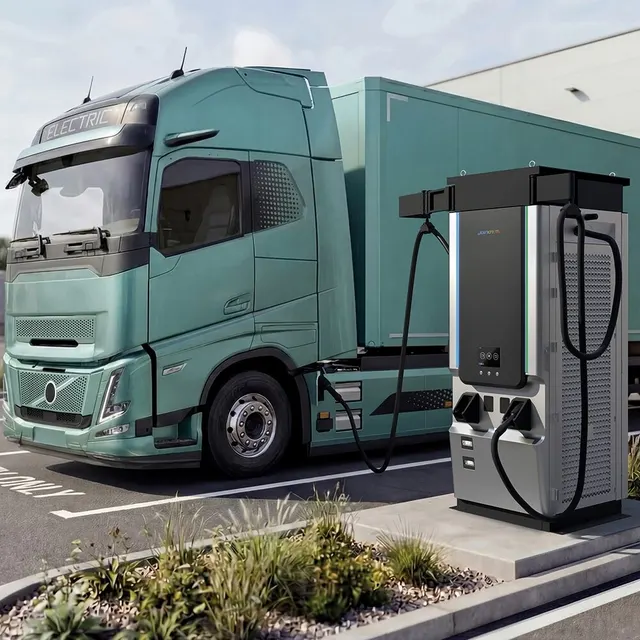
We will all be placing greater demands on our electrical installations, both at home and at work. Whether you invest in an electric car or switch your steam production to electricity, more electrical power will be needed. That power will also increasingly flow in two directions and become more polluted by electronics.
“Capacity shortages or problems with power quality can, in the worst case, lead to a complete outage, but will in any case result in unnecessary energy losses and maintenance costs,” warns Harmen Sikkema, director of fortop. “Things are becoming more complex. On top of that, there is more and more regulation, we need to make greater savings and uptime requirements are increasing. Expertise is crucial, but harder to find, with the result that many industrial companies remain unaware of what is happening in their electrical installations.”
Measure, monitor and improve across four management areas
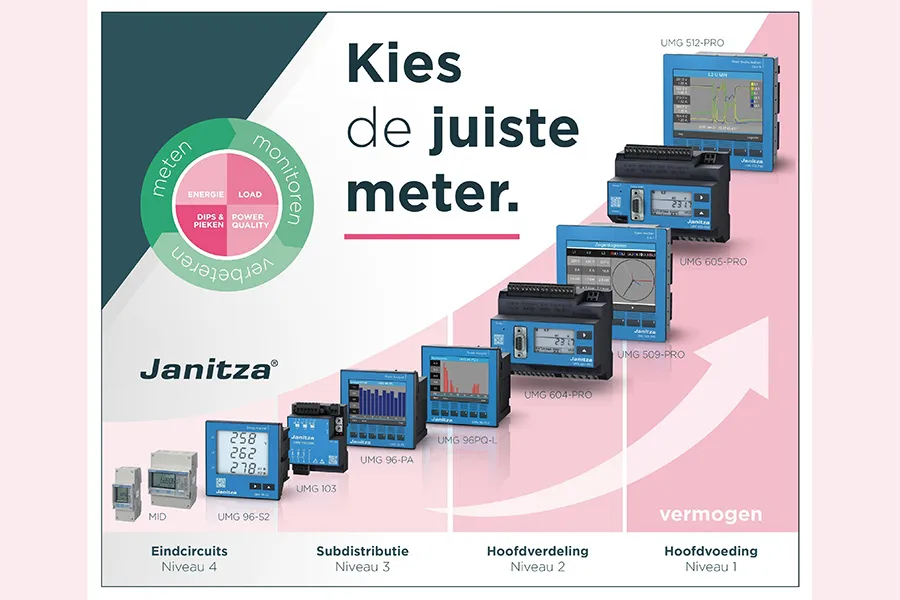
That is why fortop is working with a university of applied sciences in the Netherlands to write a textbook on grid optimisation and help safeguard knowledge. The starting point is the four management areas of electricity. Sikkema explains: “These are capacity, quality, energy efficiency and uptime. You can use these to determine exactly what your installation needs. Measurement gives you the facts and provides the foundation. Power analysers can map all the parameters that affect these four areas. Monitoring tells you what you are measuring. The collected data are then turned into insights using analysis tools, notifications and reports. This in turn leads to improvements, by adapting or expanding the installation, but also by using UPS systems, voltage regulation and stabilisation systems, or active harmonic filter systems.”
Smarter grids, but what about your machines?
It is an ongoing process that will only become more important. “The grids are getting smarter, but industry also needs to know what is happening within its own factory walls. The closer installations get to their maximum load, the more problems will arise. It is like driving a car at 200 km/h all the time. It takes its toll. You really need to understand your machines, what they consume and where there is scope for optimisation,” says Sikkema.
This process also calls for reliable equipment. fortop is firmly committed to the quality of German market leader Janitza. “Energy measurement and monitoring is its core business. This sharp focus sets it apart through its expertise and the corresponding quality. It has a very broad product range, from large to small, from main distribution to end users. What is more, the meters have an integrated web interface that performs an initial analysis of the data, without the need for additional software. That makes them an excellent starting point for beginning the cycle of measuring, monitoring and improving.”
A business question for fortop automation & energy control? Get in touch
Companies in this story

Keep following this
Get an email when a new story is published. No account needed.
- SubjectElectrical engineering
- Companyfortop automation & energy control