Why energy storage systems must be inspected
Text Desiree PenningsImage Omega Energietechniek
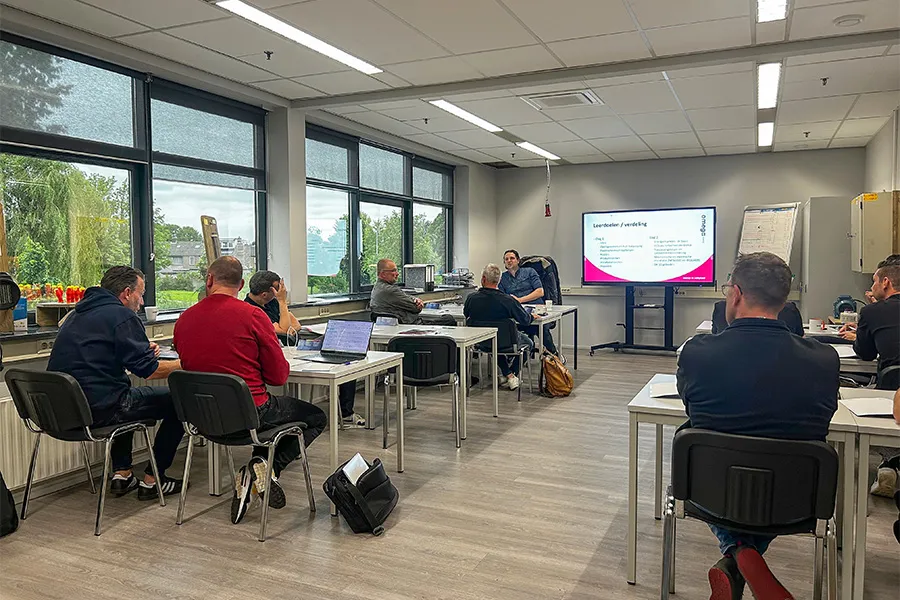
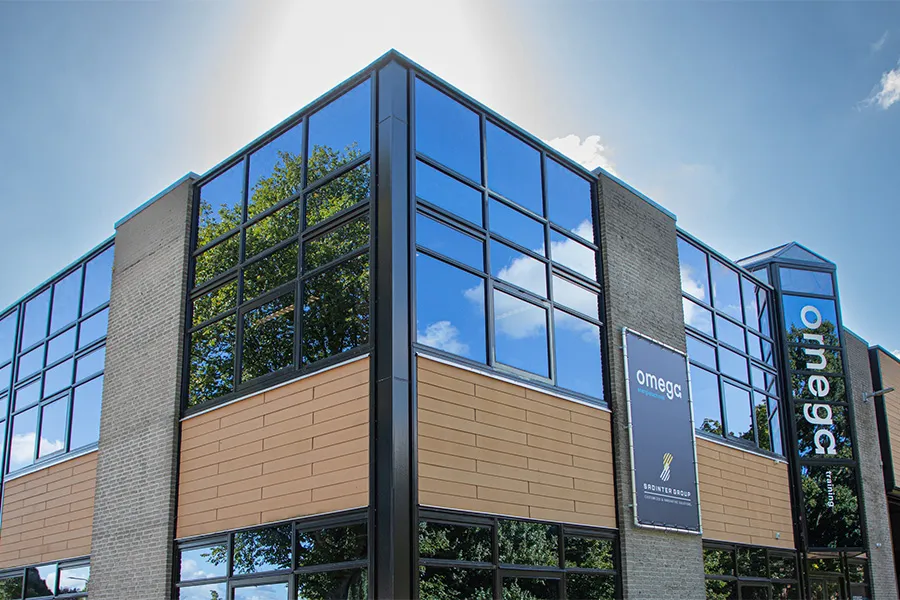
As energy storage systems (EOS) become more widespread, so does the need to address their safety. While installers often focus on functionality and minimum requirements, Omega Energietechniek takes a broader view of safety. It is the first company in the Netherlands to carry out inspections in line with EOS guidelines.
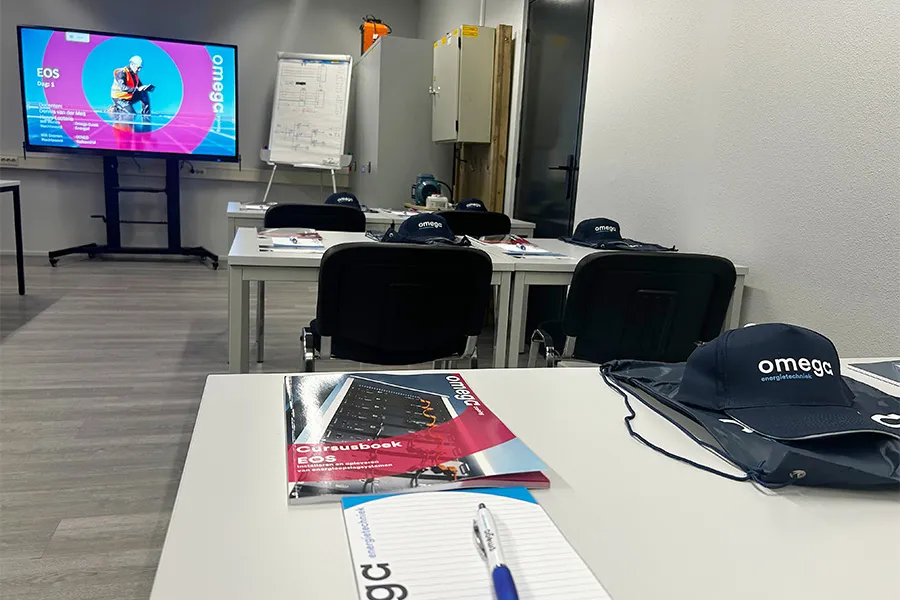
The Netherlands wants to move from gas to electricity, but this transition must be safe. Omega Energietechniek therefore carries out inspections and trains fellow professionals. With batteries rapidly gaining ground, it began focusing on this issue at an early stage. In the absence of a SCIOS inspection scheme, Omega Energietechniek applies existing standards in an inspection protocol based on NEN 4288, NEN 1010, NEN-EN-IEC 61439 and PGS-37. Stichting SCIOS is currently drafting a new inspection scheme that brings together all the standards and regulations in a comprehensive overview. It is due by the end of the year.

A wait-and-see attitude
“Energy storage systems and home batteries are on the rise. If developments continue at this pace, the whole of the Netherlands will be covered in batteries within three years. We therefore need to train people and start carrying out inspections quickly, to ensure safety,” says Allart de Jong, director of Omega Energietechniek. He has noticed that fellow inspectors are taking a wait-and-see approach. “They are busy inspecting existing installations, but we have seen what happened with solar power. Dangerous situations arose because panels were being installed so quickly. The EOS market is moving four times faster, though, and batteries bring risks of venting, explosion and fire. We need to stay alert to the risks batteries pose.”
This means looking at the installation, the use of suitable materials and where EOS are placed. At present, there is no inspection when EOS are commissioned, whether their capacity is above or below 20 kWh. The greater the battery capacity, the greater the consequences, says De Jong. “More people need to get involved. At the start, there were no inspections for solar power either.”
The meter cupboard of the future
Alongside EOS, other electrical appliances are also becoming more common, and they all need to find a place in the meter cupboard of the future. We are increasingly switching to electric cars, cooking and heating, and now there is the battery to consider as well. Our current distribution boards simply are not ready for this, says De Jong. “We need to think differently and partially modify or even replace meter cupboards. Otherwise, the country will not be able to cope with electrification. So now is not the time to sit back, as happened with solar installations. I hope we have learned from that.”
Insurance
De Jong has no doubt that batteries will help tackle grid congestion. But they need to be handled correctly. “Fortunately, there are few accidents, but the number of batteries will keep growing. Insurance companies also value inspections. Policy terms often state that cover applies only if the required inspections have been carried out. We all need to stay alert, and too little is being done about this. We check whether an energy storage system has been installed safely and is operating safely. Omega Energietechniek is a pioneer in this field, and I hope other companies will soon follow.”
Question about this story? Ask your question
Keep following this
Get an email when a new story is published. No account needed.
- ThemeEnergy generation and distribution
- SubjectElectrical engineering