











Flue systems for gas appliances: A point to watch until the transition is complete
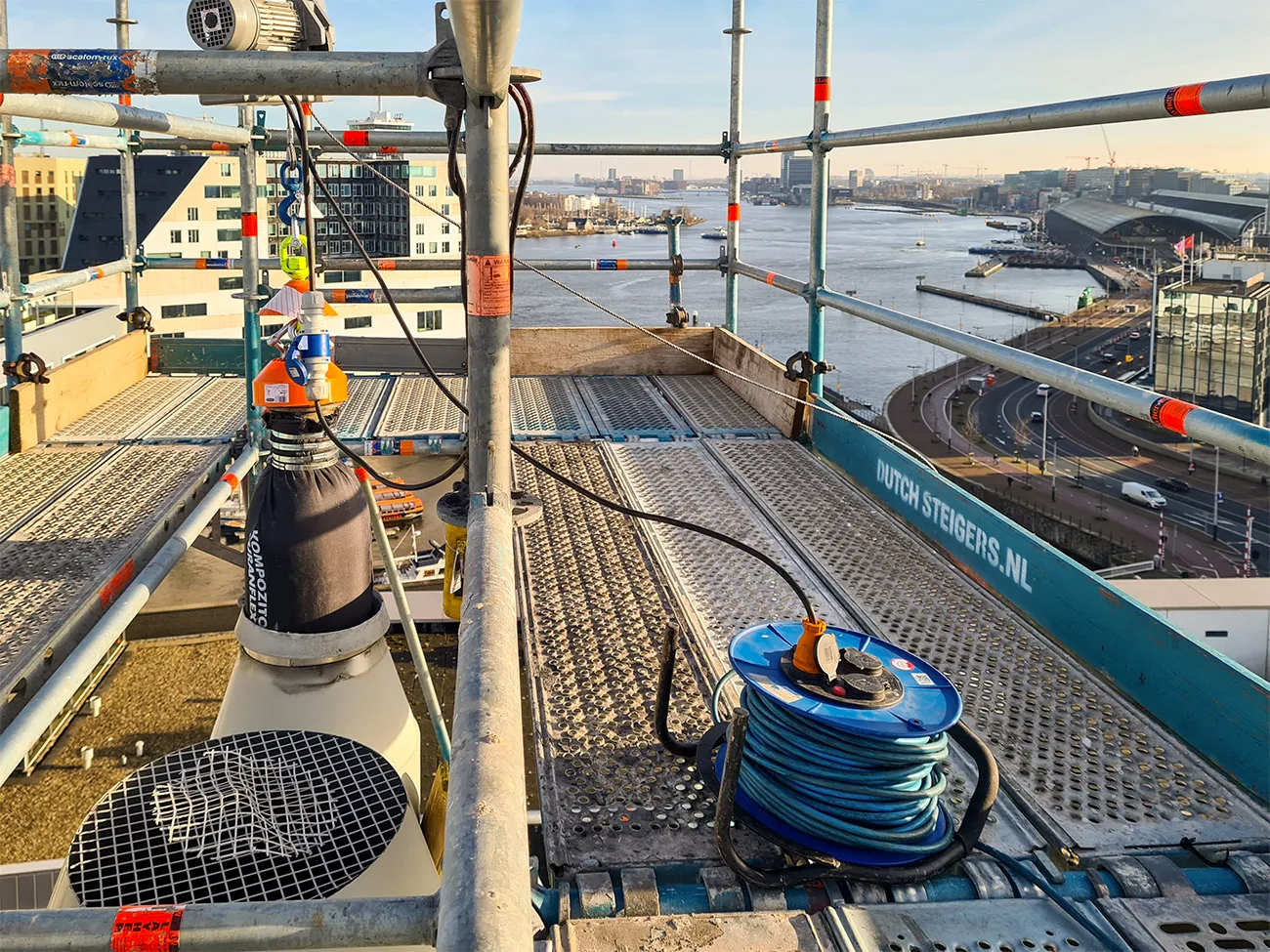
The focus is currently on terms such as the transition, energy neutrality and all-electric. Rudie Balink of F.F. Kanaalrenovatie fully recognises their importance, but as a flue renovation specialist he also sees another side to the issue. “Many buildings are not there yet. In the private sector in particular, heat pumps and other alternatives to gas-fired central heating boilers are still very limited. Until that changes, we will need to keep an eye on the flue systems for gas appliances.”
“In 2019, a record number of central heating boilers were still sold in the Netherlands,” says Balink. “Annual sales have remained stable since then, even though no permits are now being issued for gas appliances in new-build projects. All those appliances and flue systems need maintenance or modifications in line with the requirements for newly installed boilers and flues, so that both can last for their full service life.”
Replacement or renovation
The most obvious time to assess the condition of flue systems is when the appliance is being replaced. This is when the decision can be made as to whether the existing flues need replacing or renovating. “Renovation is often a very good option,” says Balink, a specialist in this field. “It requires no major building work and therefore causes very little disruption to residents. After renovation, the flue systems can last for another boiler’s lifetime, around fifteen years.”
Renovation
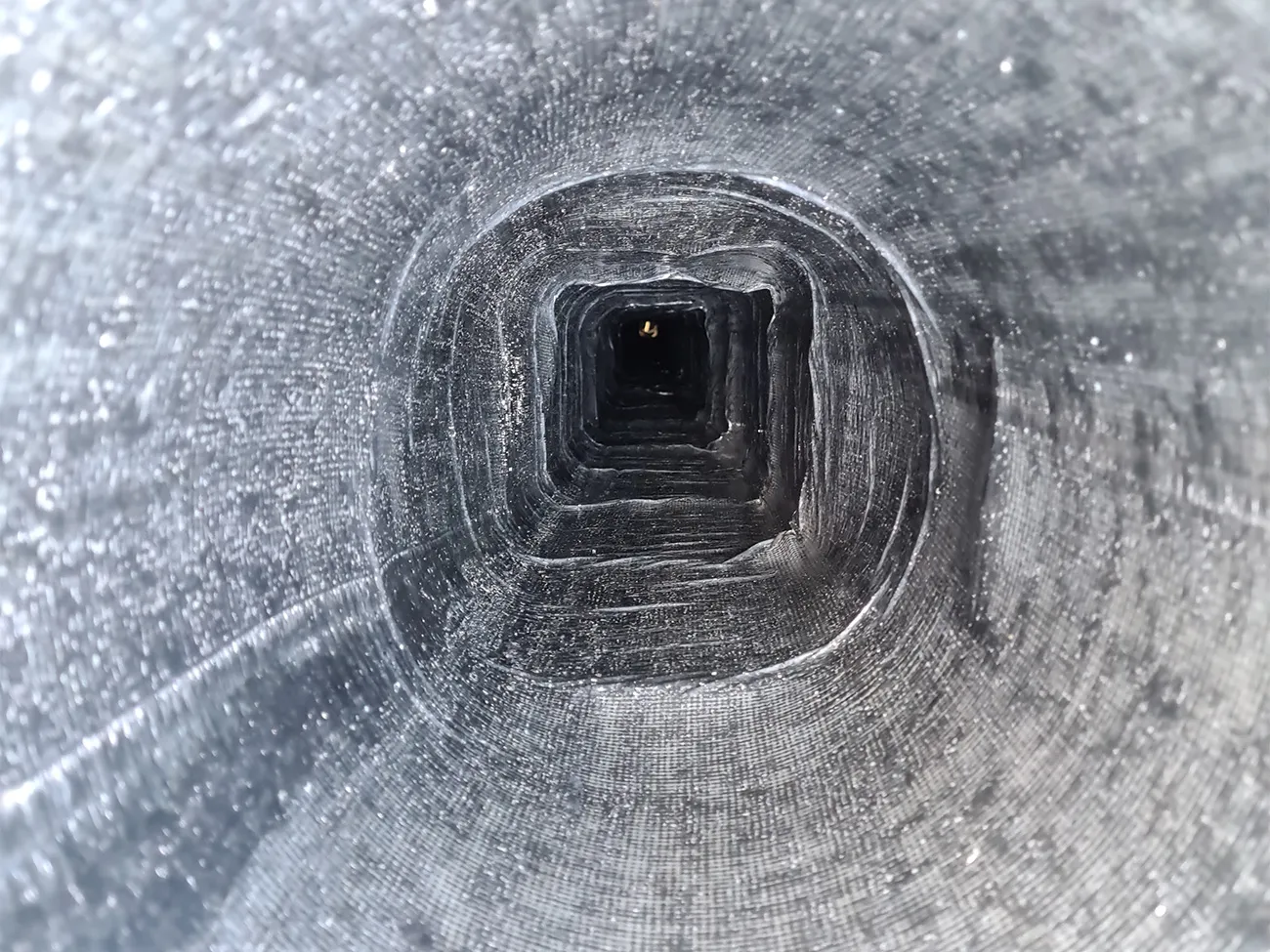
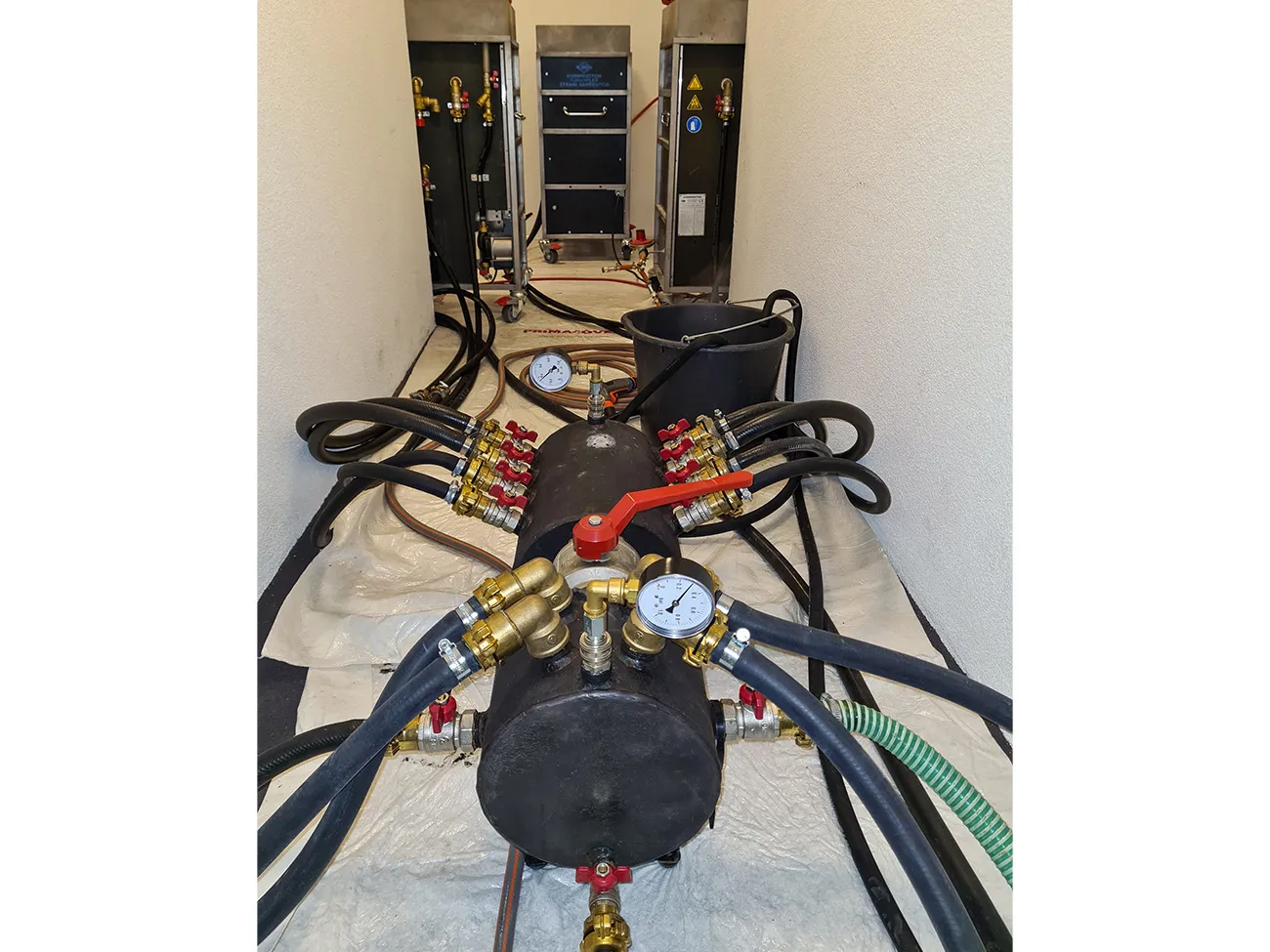
Renovation involves fitting the flue systems with a new composite liner. All connections sloping towards the boiler are replaced and secured with brackets in accordance with the requirements. Balink says: “This creates a completely new flue, with the outer layer, the old flue system, acting as a support for the new Furanflex flue. The renovation is therefore carried out on the inside.”
Suitability certificate
Once the renovation work is complete, the client receives a technical file documenting that the flues once again fully meet current standards and requirements. This also includes a suitability certificate. “The owner can give this certificate to their installer, enabling them to assess the condition professionally and determine which boiler can be connected to the flues.” The technical file contains all the specifications of the installed Furanflex flues, such as their diameter and length and the number of appliances connected to each flue, as well as the certification and requirements used to assess the Furanflex flues. The technical file is based on NPR 2759:2020.
Hybrid systems too
Renovation significantly reduces building costs and the associated disruption for owners. This also applies to owners of a hybrid system, where heat is supplied by a heat pump and the boiler only switches on when demand rises, for example during a shower. “Here too, it is important to renovate or replace the flue systems in good time.”
Question about this story? Ask your question
Keep following this
Get an email when a new story is published. No account needed.
- ThemeSustainable refurbishment of existing buildings
- SubjectGeneral







