Making football clubs more sustainable is essential to their long-term resilience
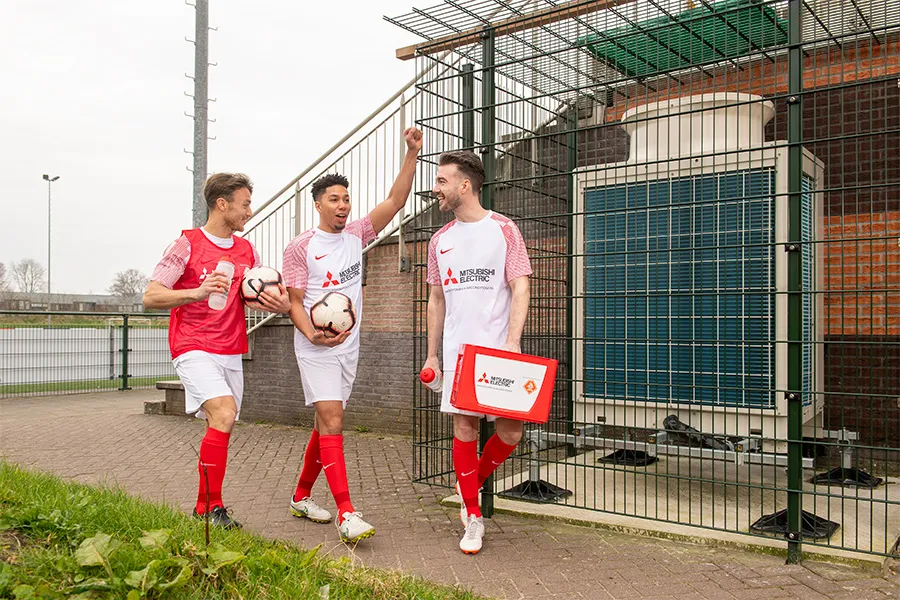
In the coming years, football clubs will face significant energy management challenges, particularly in relation to electricity, water, gas and waste disposal. A recent study by EnergyC, commissioned by the KNVB and sustainability partner Alklima / Mitsubishi Electric, highlights the need for football clubs to invest in sustainability to strengthen their financial position and keep the sport accessible. The study marks the start of De Groene Clubweken, an initiative by the KNVB and Alklima / Mitsubishi Electric to help clubs become more sustainable.
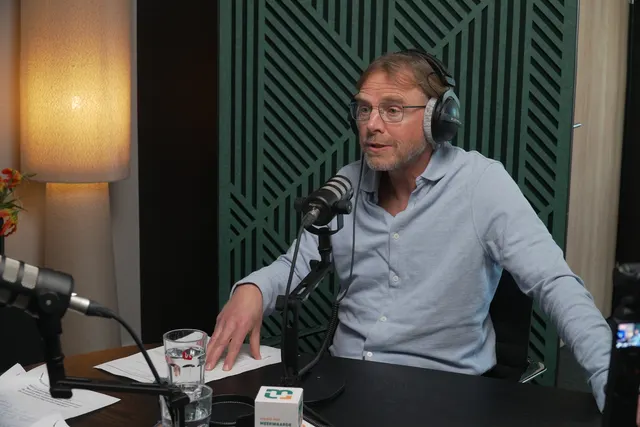
Martijn van Leerdam, an expert in making sports clubs more sustainable at Alklima / Mitsubishi Electric, a market leader in sustainable heat pump solutions, explains: “Rising costs for essential utilities are forcing football clubs to develop strategies for energy efficiency and sustainability. As a key player in sustainable heat pump solutions, we are seeing growing demand for technological solutions that help clubs reduce their operating costs while contributing to the energy transition. That is why we launched De Groene Clubweken with the KNVB, to help clubs take the right steps.”
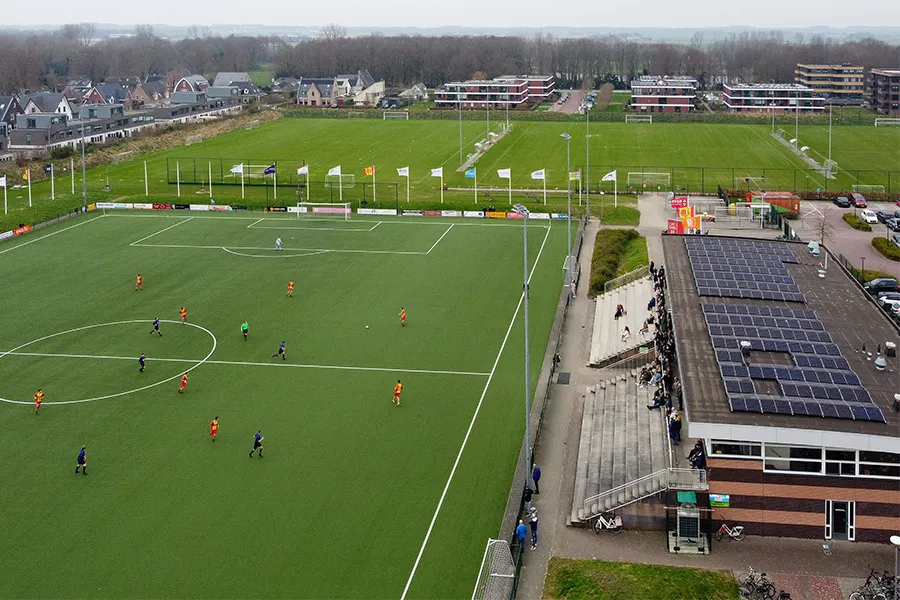
Significant increases in energy costs make investment in sustainability essential
The trend analysis shows that by 2030, football clubs will face significant increases in the cost of essential utilities such as electricity, water, gas and waste disposal. While costs appeared relatively stable until 2020, they are now expected to rise each year. Developing strategies for energy efficiency, sustainability and cost control is therefore becoming increasingly important.
Tim Hofman, sustainability programme manager at the KNVB: “We are seeing football clubs increasingly focus on sustainability. This study confirms that they are on the right track. There are also a great many opportunities for clubs to make their facilities more sustainable. This issue will move up the agenda in club life in the coming years. Through De Groene Club, we offer advice focused on what is good both for club finances and for the environment.”
How much could costs rise for a football club?
Forecasts indicate that by 2030, spending on gas will rise by 51%, electricity by 34%, water by 75% and waste disposal by 61%.
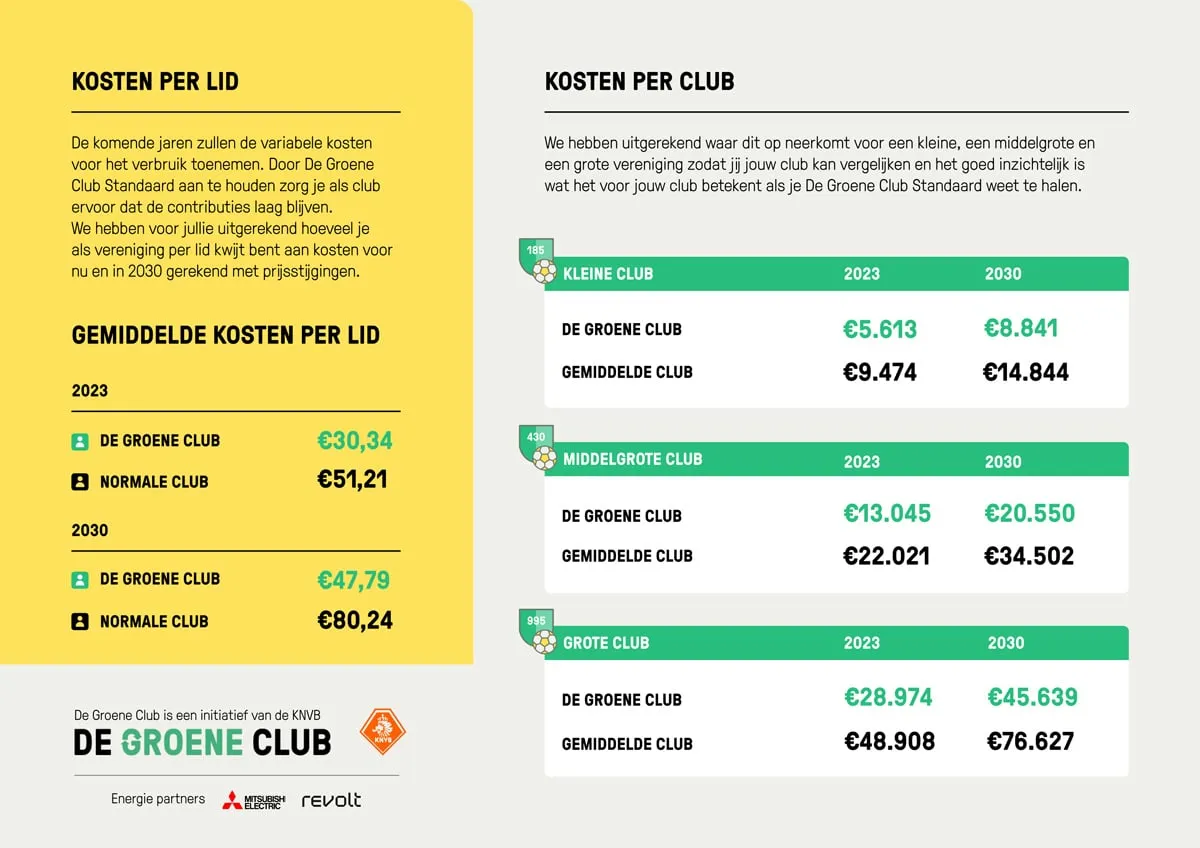
Making clubs more sustainable can save up to €30,000 a year
Football clubs can make significant savings by investing in sustainable measures. A small club (185 members) can save up to €5,650 a year, a medium-sized club (430 members) up to €13,100, and a large club (955 members) up to €29,100.
Heat pump technology for both space heating and domestic hot water is often at the heart of sustainability measures for football clubs. By using simple energy management systems, clubs can manage generation, consumption and dynamic tariffs intelligently. This allows electricity generated during the day to be converted directly into domestic hot water, creating a buffer for showers in the evening. Clubs can also benefit from periods when energy tariffs are low. This technology is easy to install, and high-quality heat pumps are well suited to the task.
“We want to help football clubs save as much as possible. The money saved can be used for other important things: reducing or avoiding increases in membership fees, training youth coaches, new kit, facilities or the next sustainable solutions for the club,” says Martijn van Leerdam.
About De Groene Clubweken
This study marks the start of the second edition of De Groene Clubweken, an initiative by Alklima / Mitsubishi Electric and the KNVB. Through De Groene Clubweken, the partners aim to raise awareness of sustainability among football clubs and address clubs’ interest in the subject. During De Groene Clubweken, clubs can win one of three premium Mitsubishi Electric heat pumps, each worth €30,000. The partners are also organising Groene Clubavonden across the country, where club officials can learn about sustainability, subsidy options and ways to save.
Question about this story? Ask your question
Keep following this
Get an email when a new story is published. No account needed.
- ThemeBuilding electrical systems
- SubjectSustainable construction