What if no water comes out of the tap?
Text and images Wildkamp
Sustainable building with smart water management
The effects of climate change are clearly being felt: cloudbursts as well as longer periods of drought, while demand for water continues to rise. A worrying situation, as water supplies are already under pressure in many regions of the Netherlands, including Utrecht, Groningen, Twente and West Brabant. Experts predict that this problem will only get worse in the coming years, resulting in shortages across the country. This affects not only industry and agriculture, but our households too.
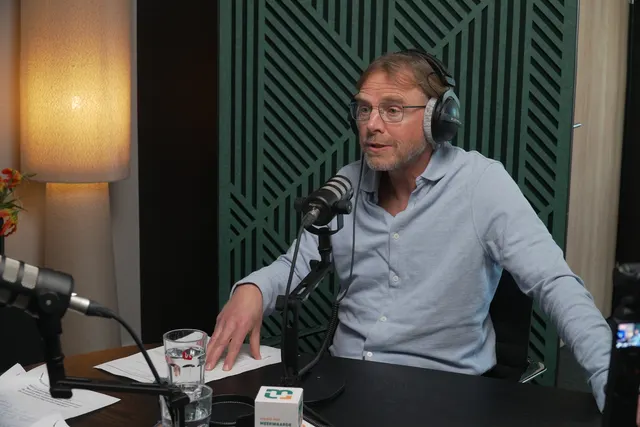
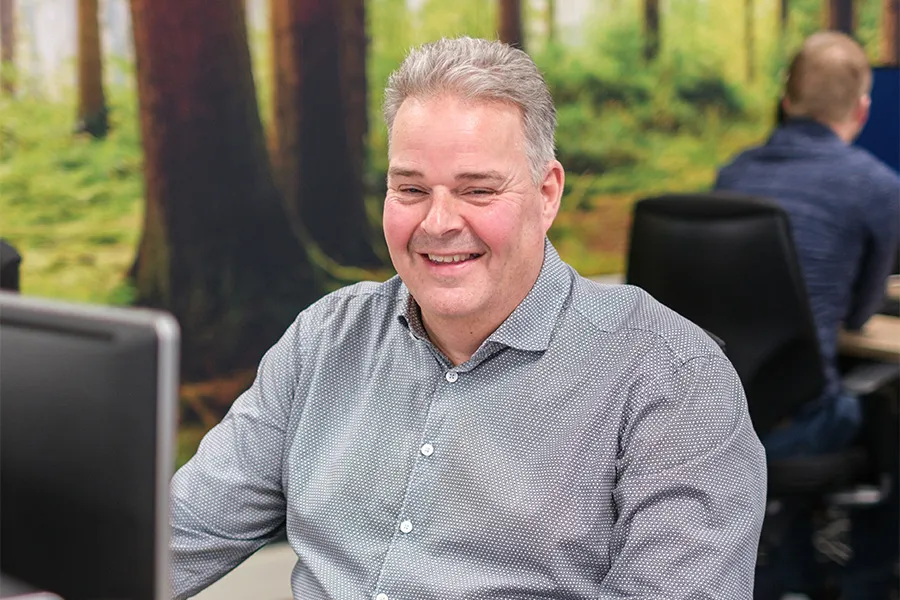
Following the energy transition, the water transition is now also well under way. Rudolf van de Velde, product specialist at Wildkamp, stresses the importance of circular and sustainable water management in the construction sector. “Water is becoming scarcer and more expensive,” he says. “The government aims to reduce drinking water consumption by at least 20% by 2035. Drinking water prices are expected to rise by around 30% in the coming years. This makes it essential to use water wisely, both for households and businesses.”
Saving drinking water
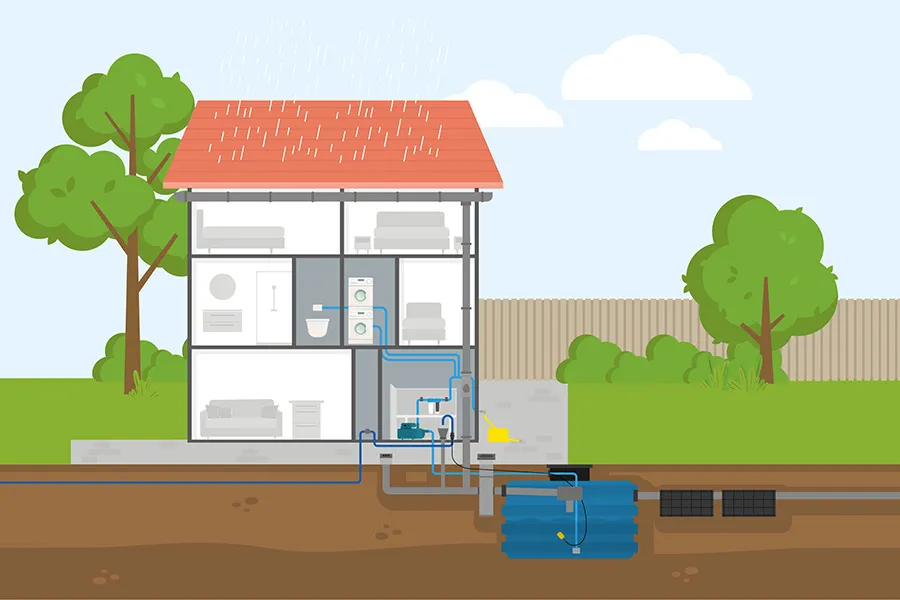
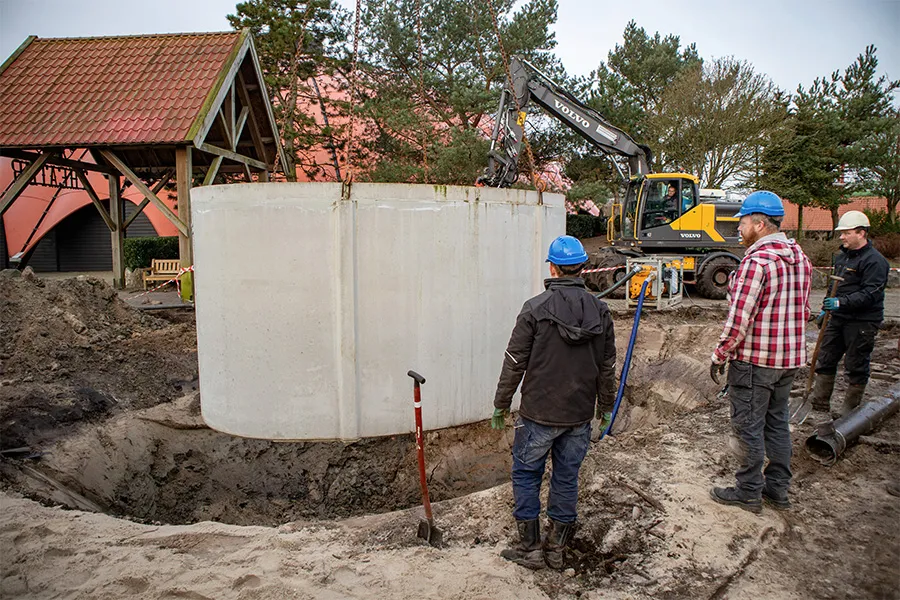
One of the most effective ways to save water is to collect and reuse rainwater. Van de Velde explains: “Toilet flushing, washing and garden irrigation account for more than 60% of household water consumption. That is a waste, because rainwater is free and perfectly suitable for these uses.” Wildkamp supplies rainwater harvesting systems that make it possible to use rainwater effectively for applications such as toilet flushing, washing machines and garden irrigation. “It is a solution that is increasingly being adopted, especially now that construction projects and contractors are more often facing restrictions on water availability. With demand for water rising and the capacity of the drinking water network limited, rainwater harvesting systems are increasingly being chosen for sustainable construction projects.”
Complete rainwater harvesting system
A rainwater harvesting system is a practical and sustainable way to collect and use rainwater. It collects water from the roof and/or street and channels it through gutters and filters into a storage tank. The water is then filtered again before being used for applications such as toilet flushing and washing machines. “It is advisable to choose a system with an automatic top-up function,” Van de Velde recommends. “This ensures there is always enough water, even when it has not rained for a long time.”
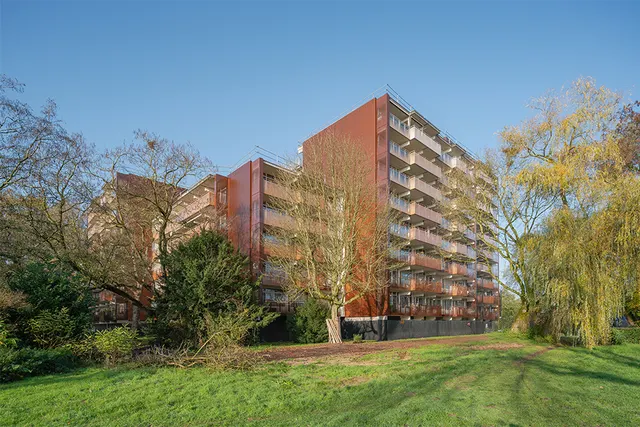
These systems are suitable not only for private homes, but also for larger buildings such as apartment blocks, schools, campsites and sports centres. Using rainwater to flush toilets in these buildings, for example, can lead to substantial savings in drinking water. Businesses can also use rainwater, for instance for cleaning or as process water.
Rainwater infiltration
Rainwater infiltration is an important complement to rainwater harvesting. This process ensures that rainwater is not discharged straight into the sewer, but instead infiltrates the ground on the property, where it can help replenish groundwater. This reduces pressure on the sewer system while also preventing the soil from drying out. Van de Velde explains: “When installing an infiltration system, it is crucial to take the permeability of the soil into account. This is expressed as a K-value: the higher the K-value, the more permeable the soil. Based on this information and the roof area, we calculate the required infiltration crate capacity to determine how much rainwater must first be stored before it can potentially be discharged into the sewer.”
Wildkamp supplies a wide range of infiltration products and can help customers calculate the capacity they need. Van de Velde says: “We provide customers with bespoke calculations, so they know exactly how much water to collect and how large the system needs to be. These calculations are essential to ensure the system works properly and is suited to local conditions.”
Sustainable building
Anyone building sustainably would be wise to include rainwater collection and use in their plans. Van de Velde stresses the importance of this: “It requires some space and investment, but offers so many benefits that it would be a shame to put it off. A rainwater harvesting system can often be installed in existing homes without too many modifications.”
In addition to the direct savings in drinking water, good water management also increases the value of buildings and can contribute towards various certifications. Subsidies are also available, such as the Environmental Investment Allowance (MIA) and the Arbitrary Depreciation of Environmental Investments (Vamil), making investment in environmentally friendly solutions more attractive.
Tailored advice
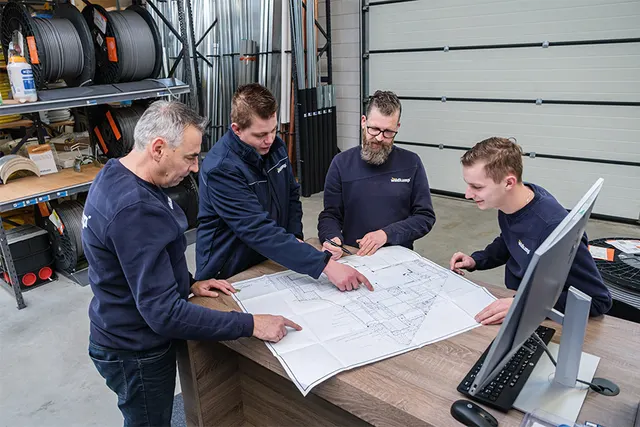
Designing a rainwater harvesting system involves more than simply installing crates, a storage tank and pipes. Good design requires a bespoke approach that takes into account factors such as roof area, rainfall data and the water consumption of the home or business. “Our water specialists are happy to provide customers with tailored advice,” Van de Velde concludes. “For example, we calculate the right storage capacity and advise on the best location for the reservoir and pumps.” For anyone looking to adopt sustainable water management, Wildkamp offers not only the right materials, but also extensive support in designing a rainwater harvesting system to suit their needs.
A business enquiry for Wildkamp? Get in touch
Companies in this story
Keep following this
Get an email when a new story is published. No account needed.
- SubjectSustainable construction
- CompanyWildkamp