











Ventilation solutions for ‘unclassified spaces’
Text Lieke BousemaImage SIEGENIA
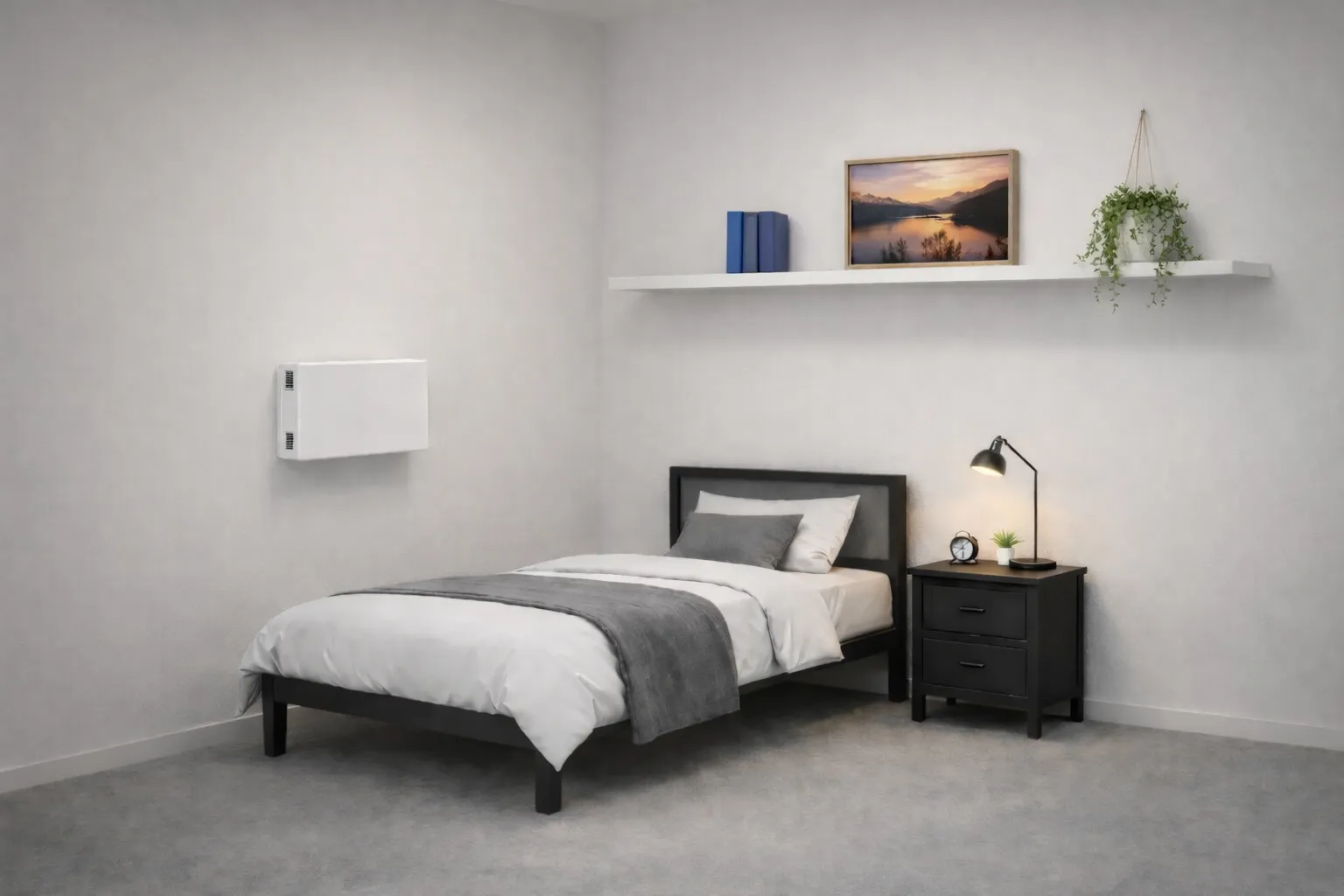
In design drawings for new-build homes, lofts, storage rooms and walk-in wardrobes are often designated as ‘unclassified spaces’. These spaces often do not meet the Bbl requirements for a habitable room. For example, the clear height may be less than 2.60 m because of a pitched roof, or there may be no window. As a result, the space is not included in the total number of square metres of living space. Nor does it have to be included in the home’s ventilation plan. According to Jeroen Wolters of SIEGENIA, this is a missed opportunity, because in practice these spaces are often used as habitable rooms after all. With all the consequences that entails…
When a loft or storage room has enough ‘liveable’ floor space, it is often converted into a bedroom, home office or playroom. “We also regularly see walk-in wardrobes converted at a later stage into a home office or nursery,” says Wolters. “After the home has been handed over, a roof window or dormer is added, turning what was previously a storage space into a functional room that can also increase the property’s value when it is sold.”
The reality is less straightforward
Although this sounds very appealing, residents often encounter problems in practice. “Many homes are located in areas exposed to high noise levels, making it undesirable to open the windows, including roof windows. This is especially true when people want to work or sleep in these rooms,” says Wolters. “But if the windows stay closed, problems soon arise, such as excessive CO2 levels, stale air, damp, mould and allergic reactions caused by dust mites. These problems can easily be prevented if key stakeholders use their common sense. If lofts or storage rooms look like potential habitable rooms in the design drawings, their ventilation must be taken into account from the outset. I believe architects and installers have an important role to play here, as does the local authority issuing the building permit.”
SIEGENIA was recently contacted by a resident of an apartment building who had been using his storage room of around 9 m2 as a workspace for a long time. “There was a window in the room, but opening it was undesirable because the apartment building was close to the motorway,” says Wolters. “As his wife was out during the day, the man could leave the door to his home office open. This allowed a minimal amount of fresh air to flow from the ventilated home into the office. Even so, he could not avoid sometimes feeling groggy and unable to concentrate at the end of the working day. He accepted this situation, remarkably, until the room was converted into a nursery.”
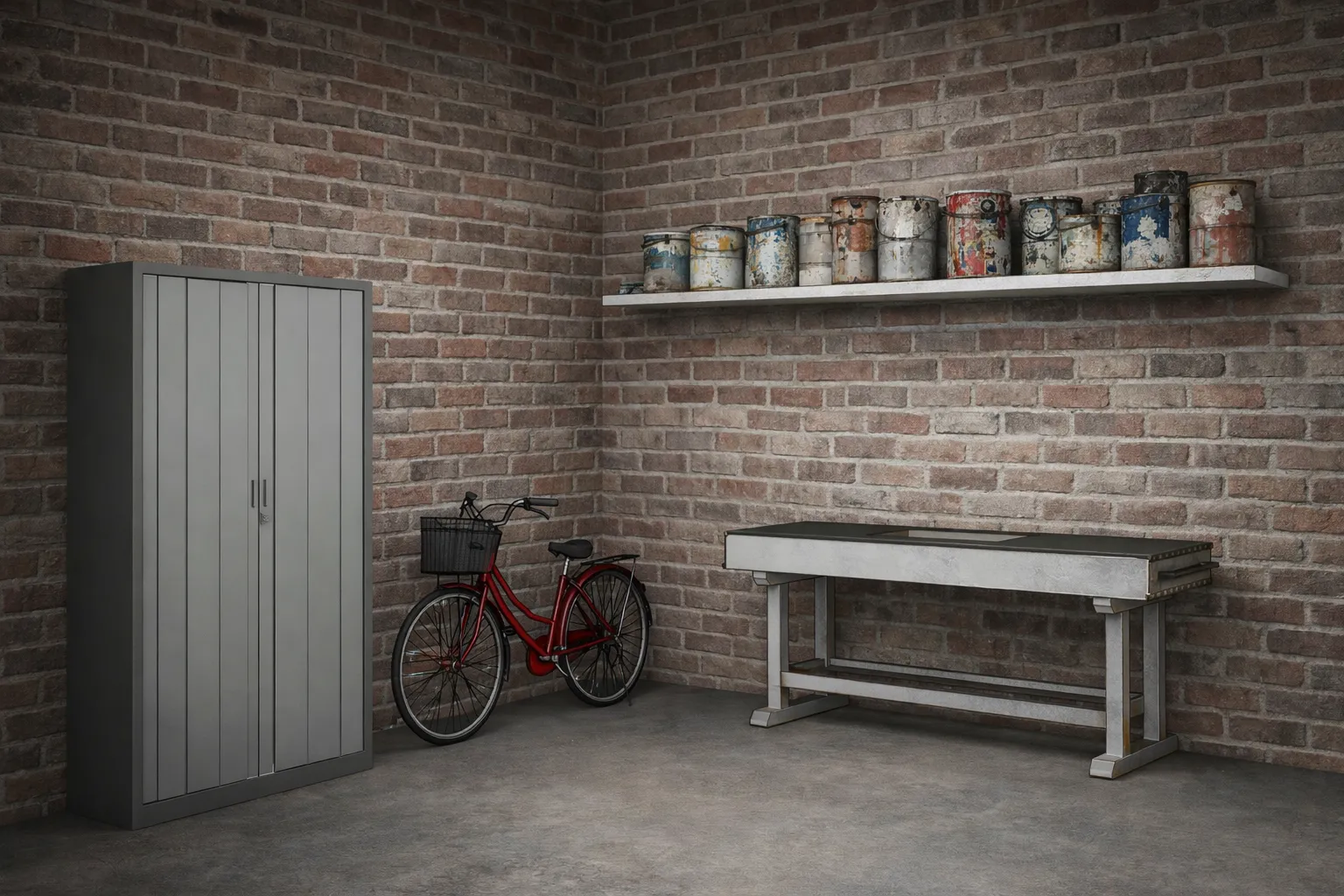
Simple ventilation for ‘unclassified spaces’
A CO2 meter in the nursery showed that CO2 levels in the room were rising to unhealthy levels, even when the bedroom door was opened once the baby was asleep, says Wolters. “A solution was needed and was found in consultation with the
owners’ association: our AEROPLUS WRG wall-mounted ventilator. This wall-mounted ventilator stands out for its effortless control of supply and extract air, with minimal noise levels and maximum sound insulation.” A 160 mm core-drilled hole in the wall is all that is needed to install the AEROPLUS WRG. Another key advantage is its energy-saving heat recovery, of up to 93% during the colder months. The rotary heat exchanger, which SIEGENIA is the only manufacturer of decentralised ventilation technology to use, plays a crucial role in this. “The heat recovery system can also be deactivated if required, allowing the system to provide free night-time cooling during the warmer summer months.”
Integration into the dormer
When the unclassified space is a loft room with a dormer, the solution is often even simpler, says Wolters. “Our AEROMAT VT window ventilator can be easily and invisibly integrated into the dormer. The room is then supplied with fresh air on demand, without draughts and with very little noise, while used, humid air is also extracted silently.” The AEROMAT VT offers several heat recovery options, of up to 93%. “Humidity, temperature, CO2 and VOC sensors can also be integrated if required. ISO Coarse, ePM10 or NOx filters can also be added, efficiently capturing fine dust particles, pollen and even nitrogen oxides, so residents can still enjoy spending time in the room.”
A business enquiry for SIEGENIA-GROEP? Get in touch
Companies in this story
Keep following this
Get an email when a new story is published. No account needed.
- ThemeHealthy indoor air
- SubjectGeneral
- CompanySIEGENIA-GROEP







