Family business sees growth in the prefabrication market
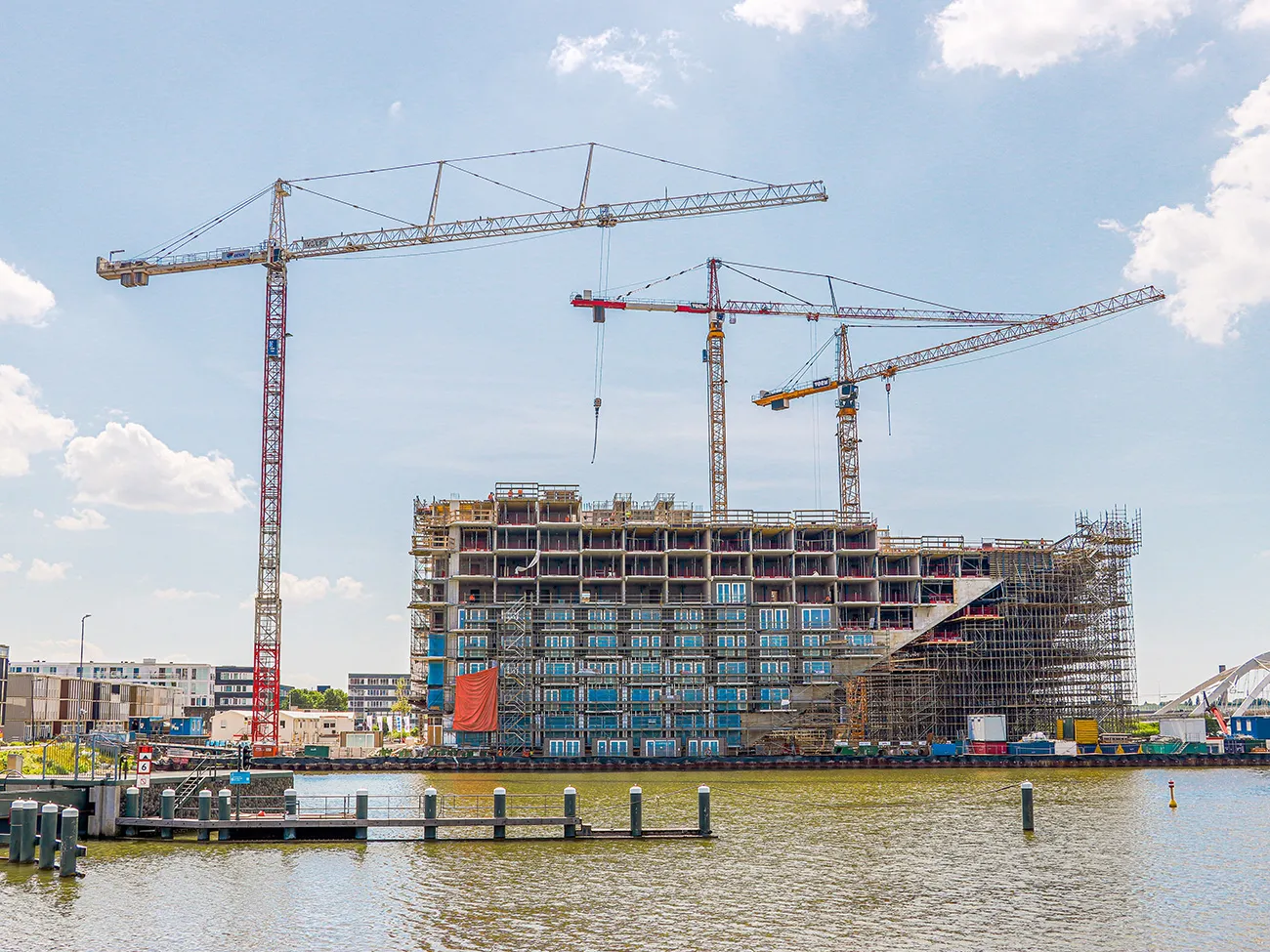
Van der Sluis Technische Bedrijven has three core activities: building services, construction and agriculture. Its building services division serves a large part of the Dutch market and covers housing, renovation, management and maintenance, and commercial buildings.
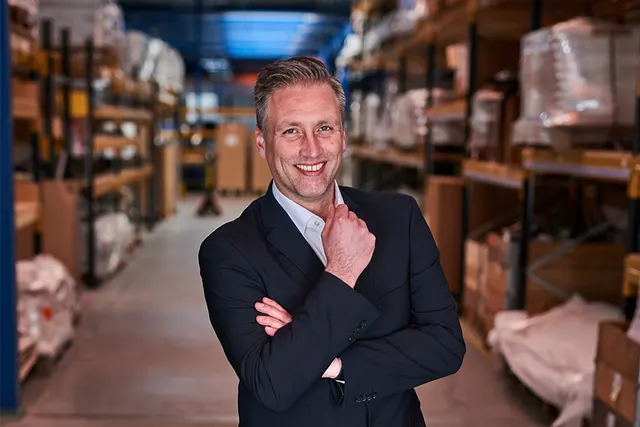
Van der Sluis Technische Bedrijven has experience not only in building new homes, but the family business also regularly undertakes renovation projects. “We are involved in a construction project from start to finish,” explains commercial director Stephan van Dokkum. “Ideally, we also take care of maintenance of the building services installations. We do what we say, and say what we do.”
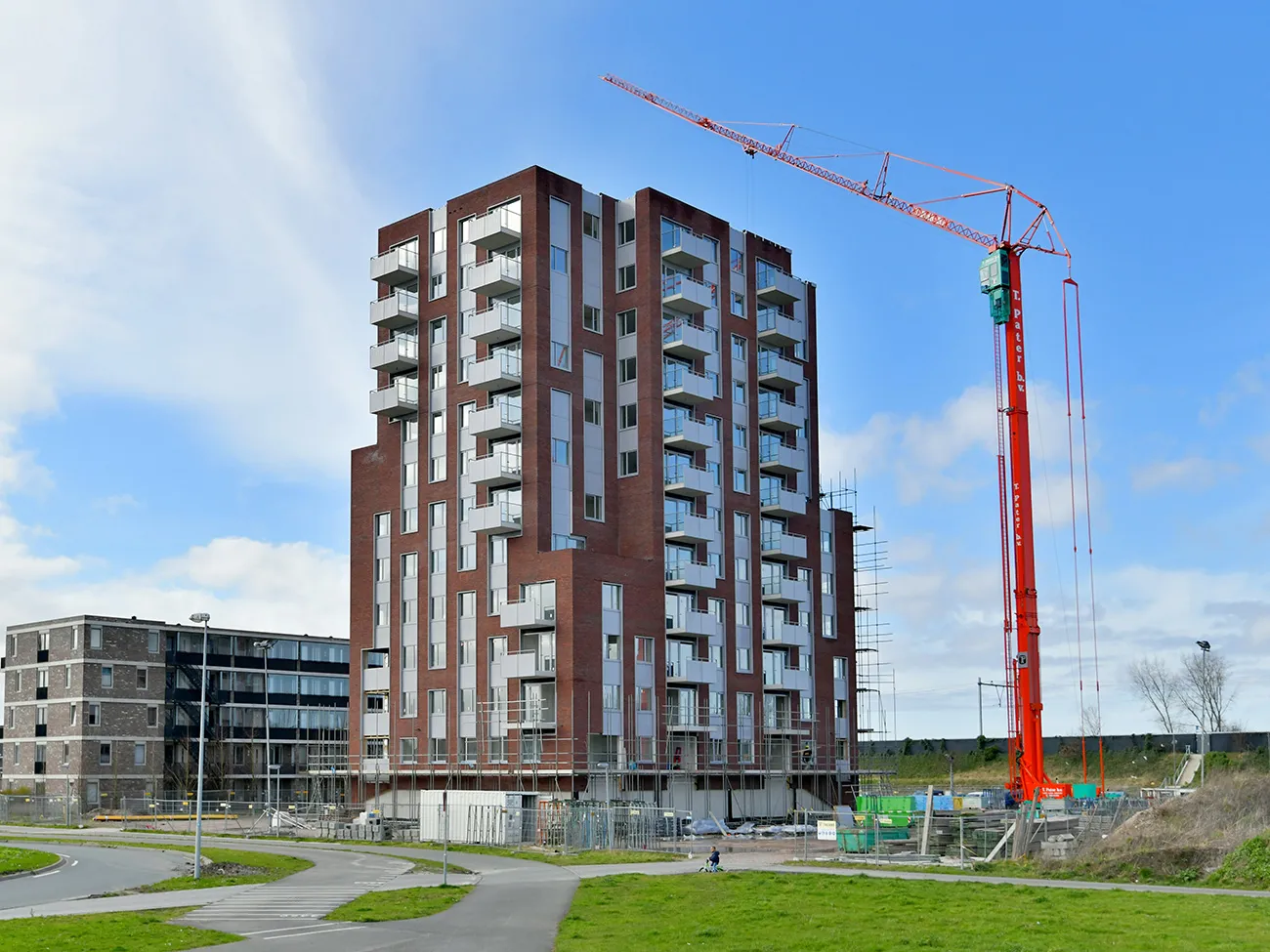
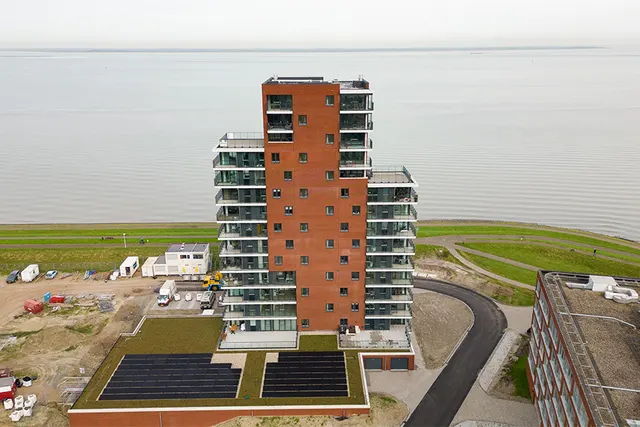
The company aims to be involved in at least three special projects every year. As a development partner, it has everything needed, from advice and delivery to management and maintenance, to undertake new-build and renovation projects in the housing sector. One such special project is ‘Sluishuis’ in Amsterdam, which is expected to be completed in March 2022. “The architecture of the building on the IJ waterfront makes this apartment complex special,” says Van Dokkum. “Future residents will have a view over the IJ, while boats pass beneath their apartments. Projects like these are the icing on the cake for us, bringing extra challenges.”
He believes a project can be special not only because of its architecture, but also because of the collaboration involved. Van der Sluis Woningbouw, for example, has been working with various construction companies for ten years under the so-called co-makership model. One example is the Kortenoord new-build project in Wageningen. “The project comprises around 900 homes in total,” says Van Dokkum. “These collaborations have now grown beyond individual projects.”
Prefabrication
Over the past ten years, the family business based in Genemuiden, founded in 1934, has seen the building services sector change. These changes include the ban on gas connections, the arrival of heat pumps and, more recently, prefabrication. “We expect to deliver even more prefabricated work in the coming years than we do already. For example, we can have all the individual components mounted on a prefabricated wall or in a skid before they are transported to the construction site,” says Jan Fuite, sustainable technologies adviser at Van der Sluis Woningbouw. “To prepare for this additional work, we expanded our workshop three years ago.”
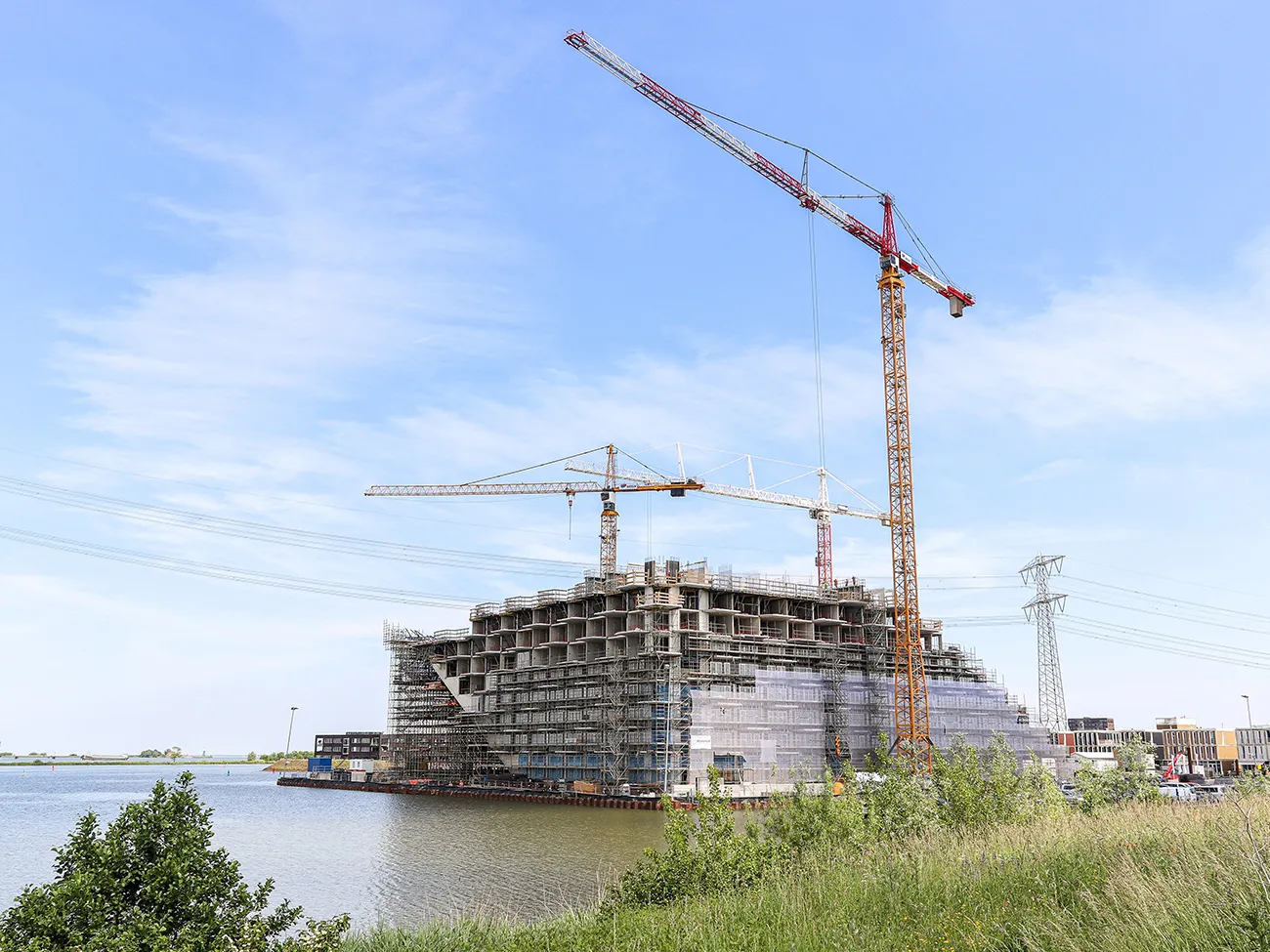
Van der Sluis Technische Bedrijven has already supplied various prefabricated components for the new-build project in Wageningen. “We do this in consultation with the construction company we are working with,” says Van Dokkum. “Certain prefabricated solutions will not be suitable for every project. They are an efficient way of working when building concept homes and terraced houses.”
Sustainable
Both men see many advantages to prefabrication. “By producing a home’s components in the factory, we can use materials more accurately,” says Fuite. “This prevents waste. It also means fewer transport movements are needed to get the components to the construction site.” Van Dokkum also sees mainly advantages. “Our employees no longer have to work on site in all weathers. We can also get more work done, and do it faster, this way. To ensure our employees are positive about this change, we are in constant dialogue with them. We still need employees on site to assemble all the components correctly and commission them.”
Question about this story? Ask your question
Keep following this
Get an email when a new story is published. No account needed.
- ThemeIntegrated construction and building services
- SubjectYearbook