How healthy and clean is the indoor air in your spaces?
The average person eats one kilo and drinks two kilos a day. We also consume more than five kilos of oxygen. “If we see a dirty glass of water, we certainly wouldn’t drink it,” says Sjoerd Willemsen, Managing Director at air filtration specialist Camfil BV. “So why do we breathe in dirty air? Indoor air in buildings is often up to 50 times more polluted than outdoor air. Sources of this pollution include particulate matter, plasticisers and VOCs from materials, as well as mould. In short, it is a mix of solid particles and gases. Filtration is essential to combat this pollution and guarantee clean indoor air.”
As a leading manufacturer of premium ‘Clean Air Solutions’, Camfil supplies commercial and industrial filters and filter systems to improve indoor air quality. This boosts the productivity of employees and equipment, saves energy and improves our health. Camfil’s success story began in Sweden in 1963, says Willemsen. “What is remarkable is that Camfil started at the high end of the market, providing air filtration for nuclear power plants, where good air quality is essential to ensure safe processes. Today, with more than 55 years of experience, 30 factories worldwide, 6 state-of-the-art R&D centres and 5,000 qualified, dedicated employees enable us to guarantee the highest-quality filters for every application.”
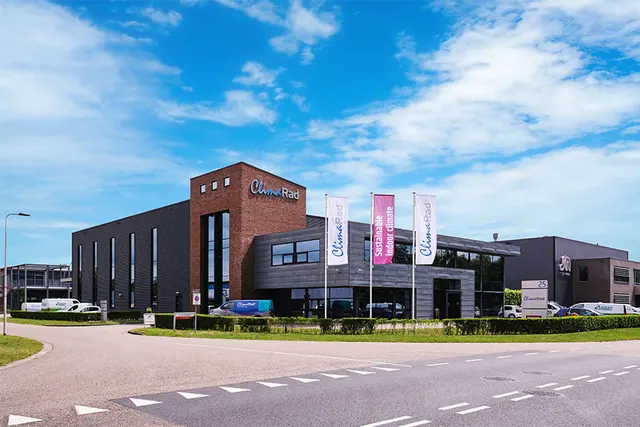
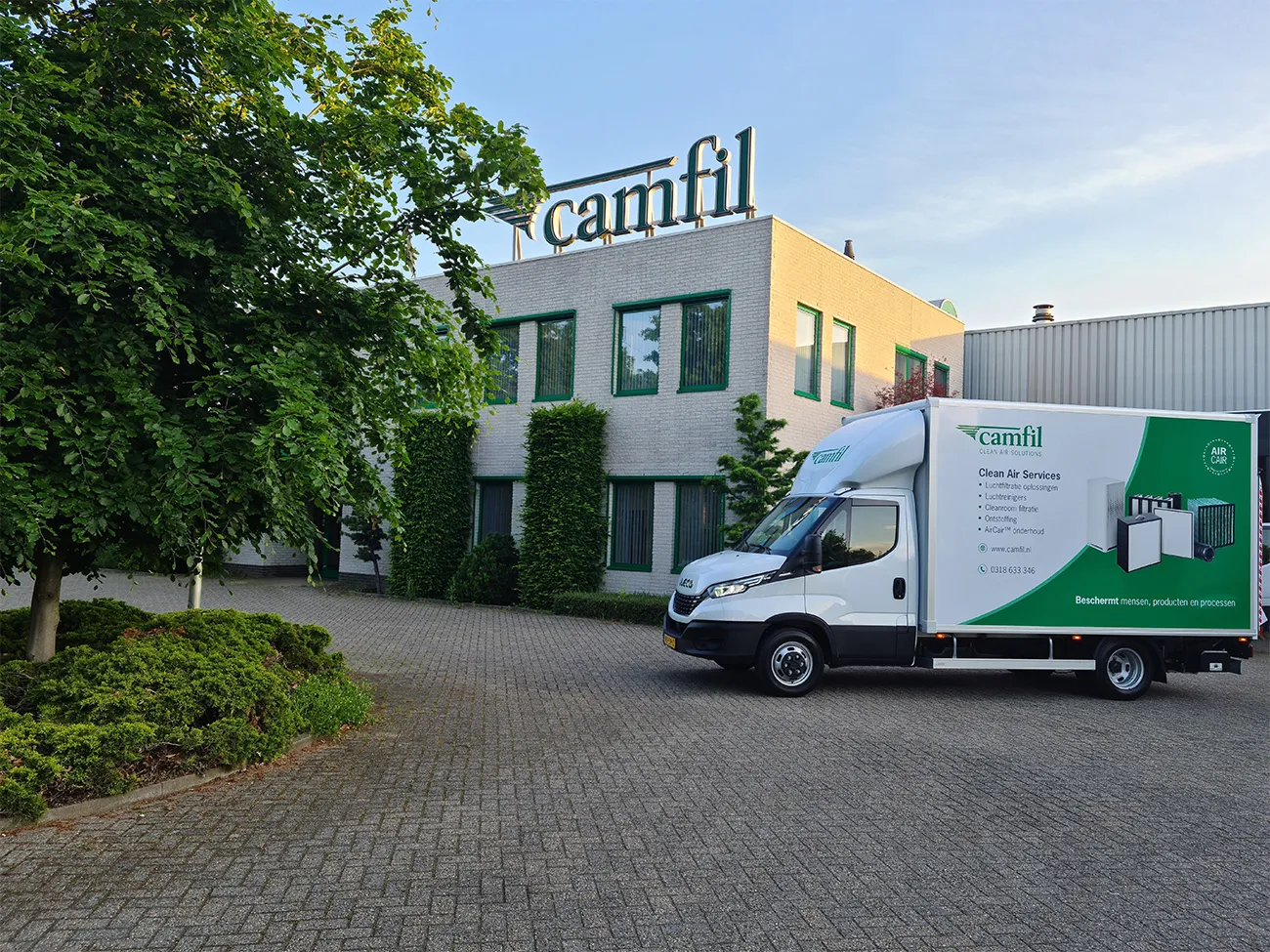
Camfil has also been active in the Netherlands since 1973. As of 2021, its Ede branch has 48 employees, including 10 field service staff and its own maintenance technicians. “We also have a small production department, which allows us to respond to customer requests quickly and flexibly. As all our products are dispatched with codes, we ensure that the right filters are installed in the right department and the right systems.”
The cleanest air, at the lowest cost
Camfil’s mission is to protect people and processes and deliver the cleanest m³ of air at the lowest operating cost. “That is also the principle behind our efforts to keep out particulate matter and viruses,” Willemsen continues. “It is now known that aerosols can remain airborne for 5 to 16 hours and play a major role in the spread of COVID-19. The WHO also recently stated that the virus is mainly spread by people who come into close contact, typically within one metre, and/or as a result of poor ventilation when many people spend extended periods in a room. Yet, to date, there has been no real action. This is mainly because, although there are many guidelines for clean air, there are often (as yet) no firm requirements. A step in the right direction, and good news, is that after 6 years, particulate matter has been added under ‘air quality’ in the May 2021 version of the Programma van Eisen Frisse Scholen. To achieve class C (adequate), ventilation systems must now be fitted with filters in the supply air, with an ePM1 efficiency of at least 70% (NEN-EN-ISO 16890:ODA2/SUP2). At schools in areas with high pollution levels, ventilation systems must be fitted with filters in the supply air with an ePM1 efficiency of at least 80% (NEN-EN-ISO 16890:ODA3/SUP2).”
Improving indoor air quality
For schools looking to significantly improve their indoor air quality, Willemsen recommends adding mobile CamCleaners. “These additional air purifiers can help achieve class B (good compared with class C) or even class A (excellent compared with class B). In offices and other occupied spaces, air can also be filtered and recirculated to the highest standard in each room, alongside the existing system.”
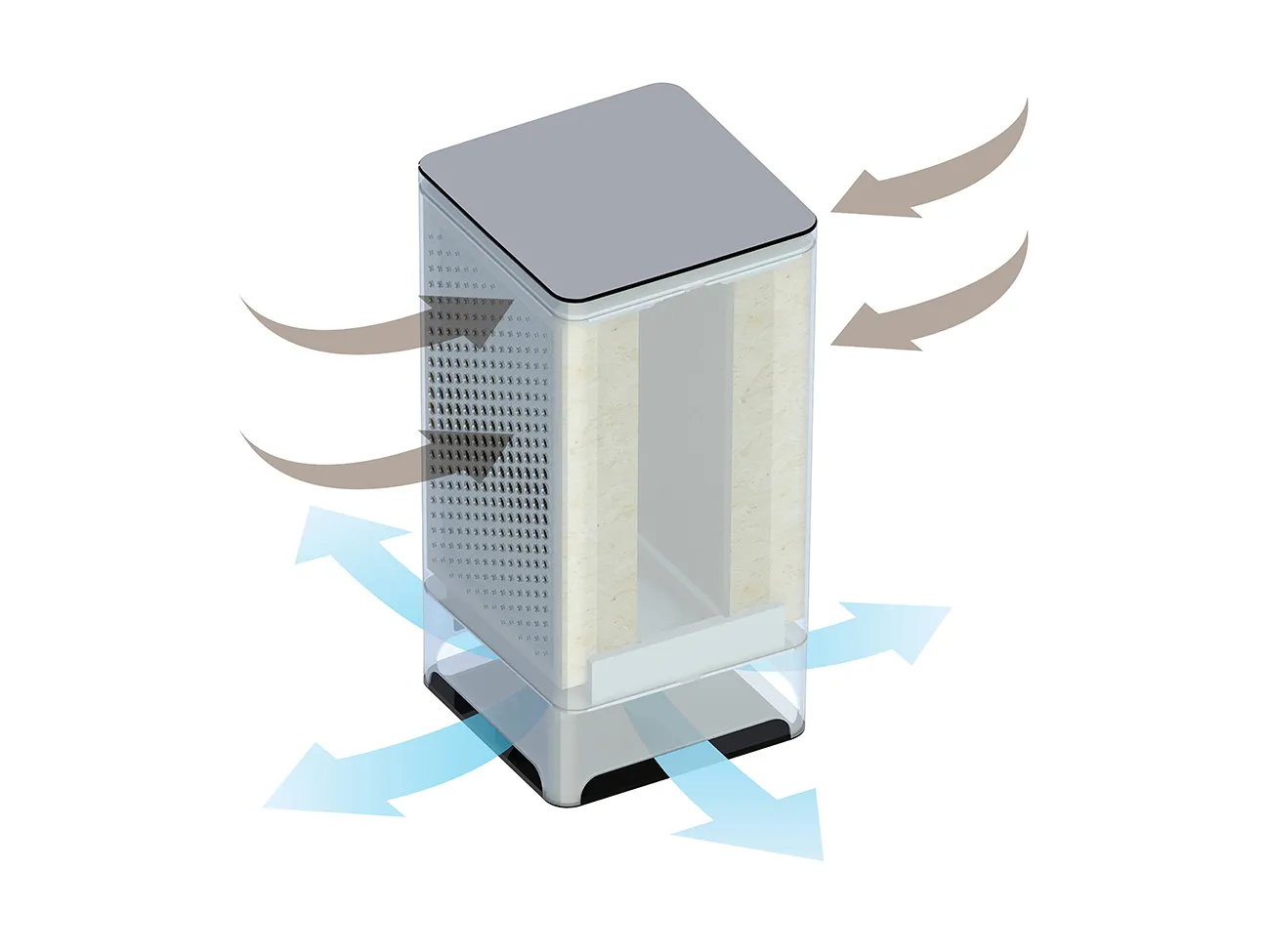
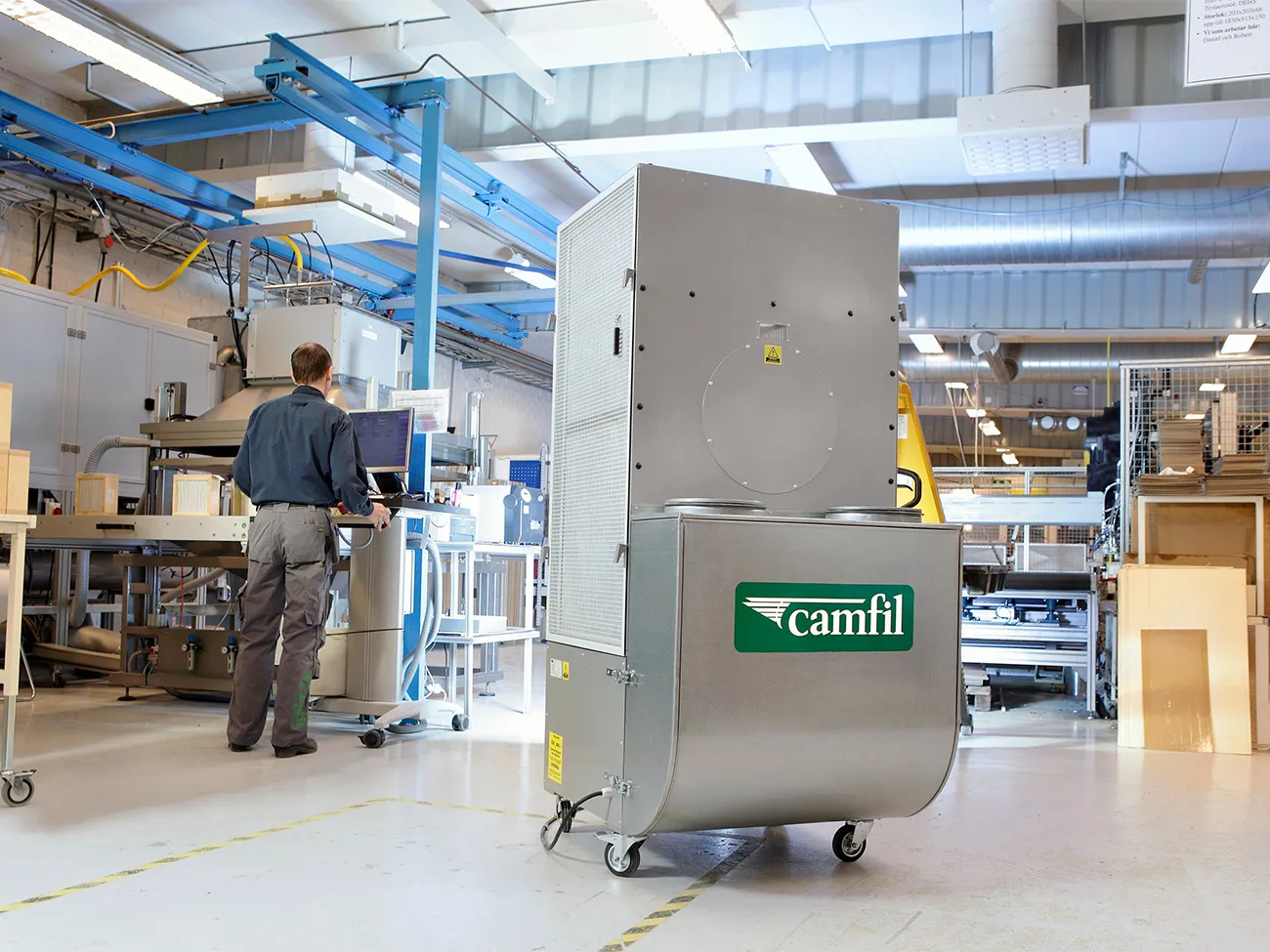
Mobile CamCleaners are available in various capacities. The small CITY units are ideal for offices and classrooms, while the larger models are in high demand in warehouses, sports halls and bouldering centres, where, for example, they efficiently capture magnesium powder. “CamCleaners are equipped with 2 HEPA filters (class H-14, in accordance with EN 1822) and a molecular filter section,” says Willemsen. “Molecular filters are also known as chemical or gas-phase filters because they remove molecules, exhaust gases and vapours from the air. These include volatile organic compounds, as well as chemicals from cleaning products and building materials, which are 1,000 to 10,000 times smaller than the particles captured by HEPA filters. The recirculated air ultimately leaves the CamCleaner at operating-theatre level, completely free of harmful gases, viruses and particulate matter. Another important advantage is that no ozone or other harmful by-products are produced. All CamCleaners have an ECARF allergy certificate, enabling them to guarantee clean indoor air in every building and for every user group. We’re ready, now it’s up to the market.”
Question about this story? Ask your question
Keep following this
Get an email when a new story is published. No account needed.
- ThemeHealthy indoor air
- SubjectYearbook