‘Speeding up means choosing all-electric’
Text Alklima en Lieke BousemaImage Alklima
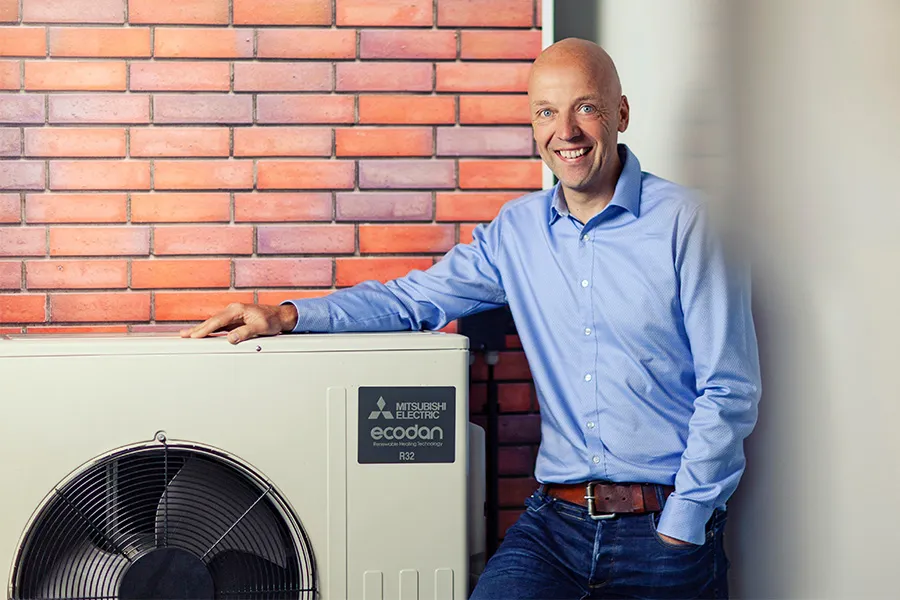
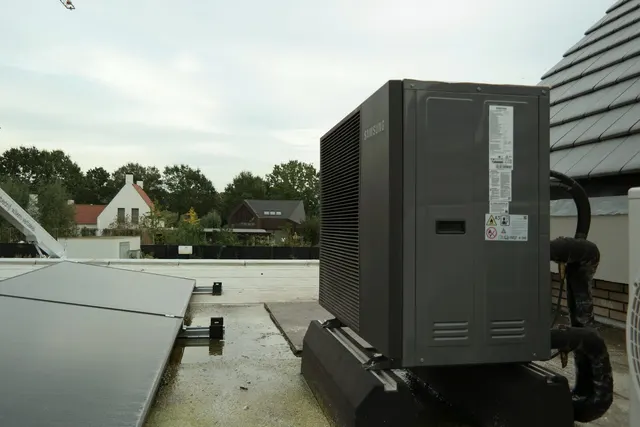
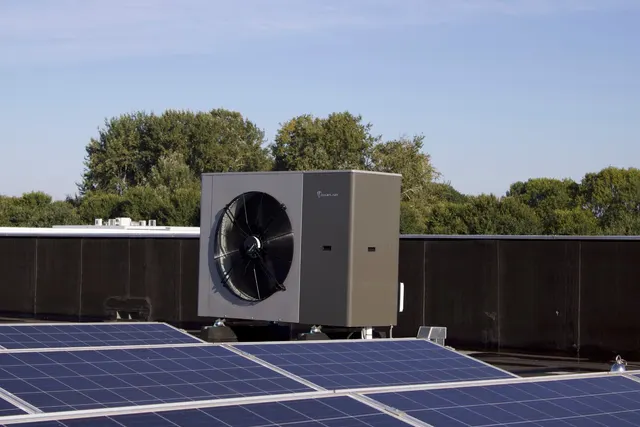
Ready to move away from gas today? Rudy Grevers of Alklima/Mitsubishi Electric thinks so. “This year, we are launching a heat pump that can produce heating water at 75°C, even when it is -15°C outside,” says the residential construction manager.
Just over 10 years ago, installing central heating boilers in housing was still common practice, Grevers explains. “Although the technology has continued to develop for 70 years, replacing central heating boilers with heat pumps was not common for a long time. This was understandable, in principle, because gas was readily available. But the drive for sustainability now calls for gas-free solutions for cooling, heating and ventilating buildings.”
The challenge lies in existing homes
Making existing buildings gas-free is different from doing so in new-build projects, Grevers explains. “With existing buildings, you are never dealing with just one type of home. Homes were built in different years, so the starting points vary from one complex to another. If we want to take a renovated home off gas, we look at the best solution for each situation. We consult several parties, such as the installer, housing association or contractor. Every party has a role to play in taking sustainable steps.”
‘We don’t believe in hybrid’
Alklima believes the energy transition should focus on all-electric systems that fully replace the central heating boiler. Grevers says: “All-electric systems allow us to speed things up. We don’t believe in conventional hybrid heat pump systems because they are not a long-term solution. Put simply, a conventional hybrid system combines a central heating boiler with a heat pump. The heat pump has limited capacity and cannot produce hot water. Especially when combined with solar panels, many residents with such a system will be disadvantaged because they cannot use their surplus electricity in the summer months to produce hot water. We think that is unacceptable, as many homeowners and tenants are already under financial pressure because of high energy prices. In a few years, the net metering scheme will no longer work as it does today. We want to avoid residents having to pay to feed electricity back into the grid. A temporary hybrid solution is fine, but we do recommend installing a heat pump alongside it that can produce hot water and has a capacity of more than 3 to 4 kW. This is particularly important in view of a gas-free society from 2050 onwards. The heat pump must be ready for this gas-free future. We call that all-electric-ready.”
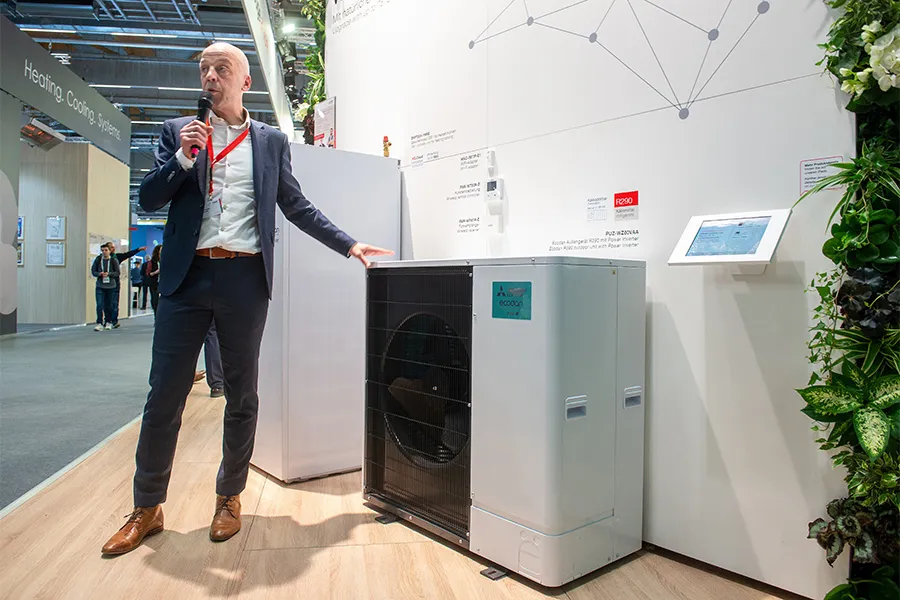
New product line: heat pump produces heating water at 75°C
Alklima is about to launch a new Mitsubishi Electric product line that allows a heat pump to produce heating water at 75°C, even when it is -15°C outside. “That is on a par with an old-fashioned central heating boiler, and it is the most future-proof solution.” Grevers says the first step is always to reduce energy demand, starting with additional insulation, including to the building envelope. The second step is to look at the type of heat emitters (radiators, underfloor heating) and the flow temperature currently in use. Good insulation makes it possible to use a lower flow temperature. “Depending on these factors, and on the space available in the homes, we advise whether all-electric-ready or all-electric is the best solution.”
A long-term solution
Investing in all-electric means investing in a sound, long-term solution, Grevers stresses. “The benefits of all-electric go well beyond the heat pump’s efficiency advantage alone. While the tax on natural gas is rising, the tax on electricity is falling. In a gas-free home, there is no longer a fixed charge for the gas connection, including administrative and network management costs. What’s more, a gas-free home increases significantly in value. Improving the energy rating from, for example, C to A already adds 5.4% to its value! It is also important to avoid having to reinvest in the future, when a switch to all-electric may otherwise become necessary. And that is before we even consider the benefits in terms of comfort and reduced CO2 impact.”
Communicating with residents
A heat pump does require residents to behave differently than they would with a central heating boiler, Grevers continues. “With a central heating boiler, you can shower for as long as you like, so to speak. A heat pump works a little differently. In many situations, for example, it is no longer advisable to turn down the thermostat in the evening. We believe it is important to give consumers clear information about this. Thanks to training, guidance and extensive documentation, our installers can communicate this effectively. We also attend residents’ meetings for projects involving multiple homes, for example, to explain the system and answer questions. In many neighbourhoods, this works far better than sending out a manual. Making buildings more sustainable is not just about providing a technical solution, it is also about people.”
Question about this story? Ask your question
Keep following this
Get an email when a new story is published. No account needed.
- ThemeGas-free heating and cooling
- SubjectHeat pumps