How to improve ventilation at home: 4 tips
Good ventilation is essential for a healthy and comfortable indoor climate. Inadequate ventilation can lead to damp problems, mould and poor air quality. Naturally, you want to prevent this. With winter just around the corner, it can be tricky to let fresh air in without losing heat. Here are four practical tips for improving ventilation at home.
Make smart use of mechanical ventilation
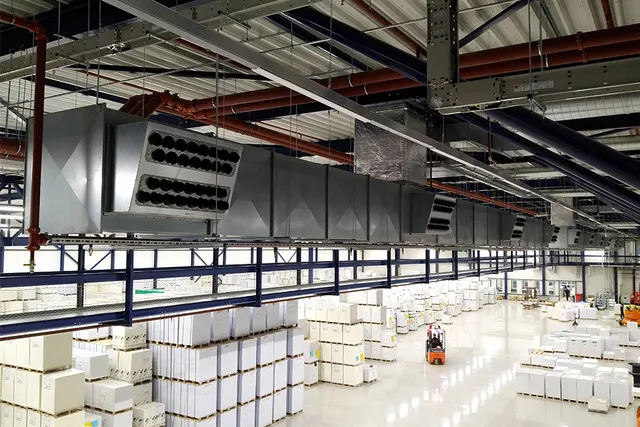
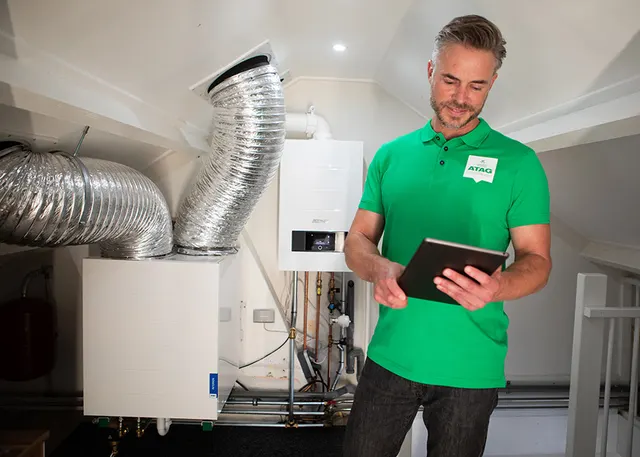
Many modern homes are fitted with mechanical ventilation. This system actively extracts air and brings fresh air in from outside. Mechanical ventilation helps to quickly remove moisture and stale air. This is crucial in rooms such as kitchens and bathrooms, where moisture and odours build up quickly. This type of ventilation often uses a central system to transport air through ventilation ducts. The benefit of mechanical ventilation is that it regulates airflow without you having to open windows. This is particularly useful in cold weather or extreme heat. It is important to clean the filters regularly and replace them when necessary. This keeps the system working at its best. Dirty filters can block airflow and make the system less effective. Also make sure that ventilation grilles in the home are free of dust and dirt. Running the system continuously on a low setting helps maintain good air quality. It also keeps energy consumption low.
Use ventilation grilles
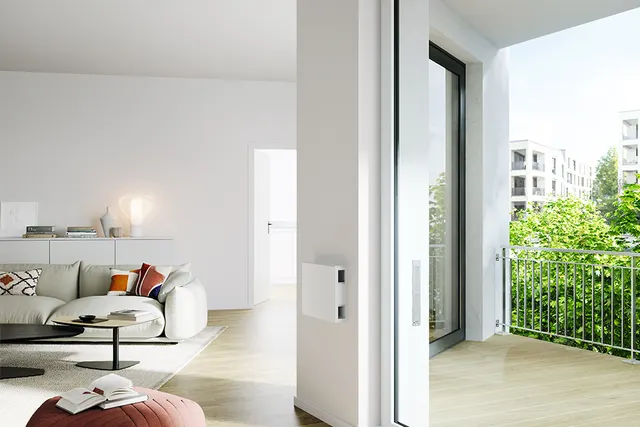
Ventilation grilles are a simple and effective way to let fresh air into the home without letting all the cold in. These grilles are often fitted at the top of windows or in walls, allowing a small amount of outside air to enter continuously. This helps improve air quality without major temperature fluctuations. It is important to remember that ventilation grilles should not simply be installed and then forgotten about. They need regular maintenance. Keep the grilles clean to ensure smooth airflow and prevent unpleasant odours or damp problems. It is also advisable to leave the grilles open at all times. This allows humidity and stale air to escape and prevents moisture from building up, which can cause mould. Having problems with draughts? You could consider fitting draught excluders. In any case, it is important to leave the grilles open.
A roof fan for controlled airflow
A roof fan is a useful way to improve ventilation at home, particularly in houses with poorly ventilated lofts or rooms where humidity rises quickly. Roof fans are designed to extract warm, moist air from indoors and bring in fresh air. They are often mounted on the roof and operate quietly and efficiently, making them barely noticeable in everyday use. The result is better air circulation throughout the home, which can help maintain both temperature and air quality. Roof fans are ideal in summer, when they help extract warm air and keep the home cooler. However, they can also be very useful in winter, helping to prevent condensation and damp problems that often arise in the colder months. Roof fans can run automatically or be switched on manually when humidity rises. Consider combining a roof fan with other ventilation methods for the best results in different seasons.
Make sure to ventilate briefly and regularly.
It can be tempting to keep windows and doors closed to retain heat. However, it is also very important to ventilate briefly and regularly. This means opening windows and doors opposite each other for a few minutes to let fresh air flow quickly through the home. Unlike leaving a window ajar for a long time, brief ventilation refreshes the air in the home quickly and effectively, without cooling the whole house down. This type of ventilation is ideal in winter because fresh air can flow in quickly while stale air is removed just as quickly. Try to ventilate briefly once or twice a day, for example in the morning and before going to bed. This helps prevent moisture from building up and keeps the air in your home pleasantly fresh. Ventilating after cooking or showering also helps remove moisture and odours quickly, reducing the risk of mould in the kitchen and bathroom.
Question about this story? Ask your question
Keep following this
Get an email when a new story is published. No account needed.
- ThemeHealthy indoor air
- SubjectIndoor climate