Innovative air curtain separates indoor and outdoor climates at Teylers Museum Haarlem
Text Lieke BousemaImage HVAC Nederland
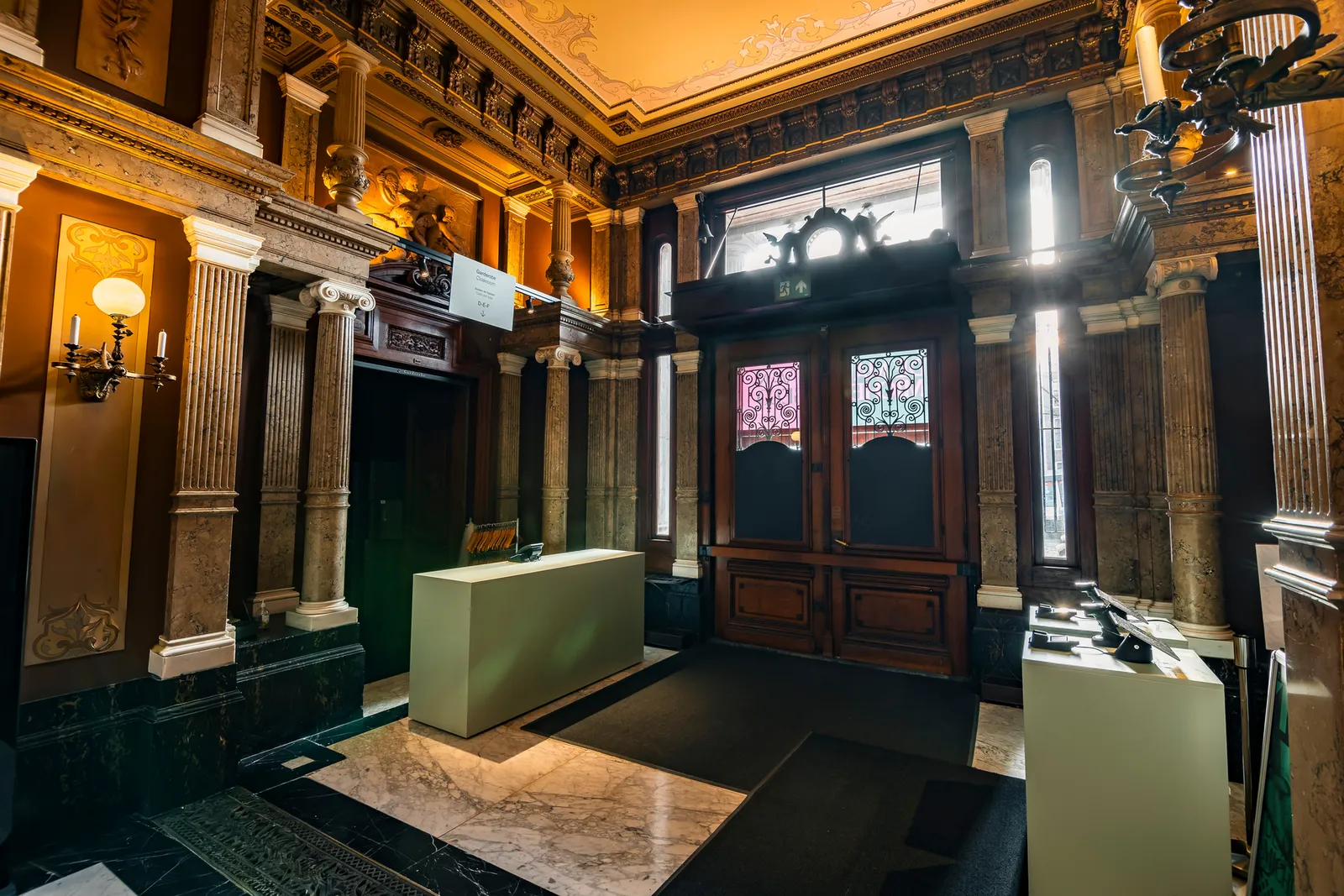
Teylers Museum in Haarlem has undergone several restoration projects in recent years. Following work at Pieter Teylers Huis in 2021, the sandstone façade was restored in 2023. That same year, the oldest museum in the Netherlands also began a comprehensive programme of sustainability improvements, with the aim of meeting the requirements of the Paris Agreement. All while preserving its special heritage value. The improvements start at the entrance, where an air curtain from HVAC Nederland was commissioned in September 2025.
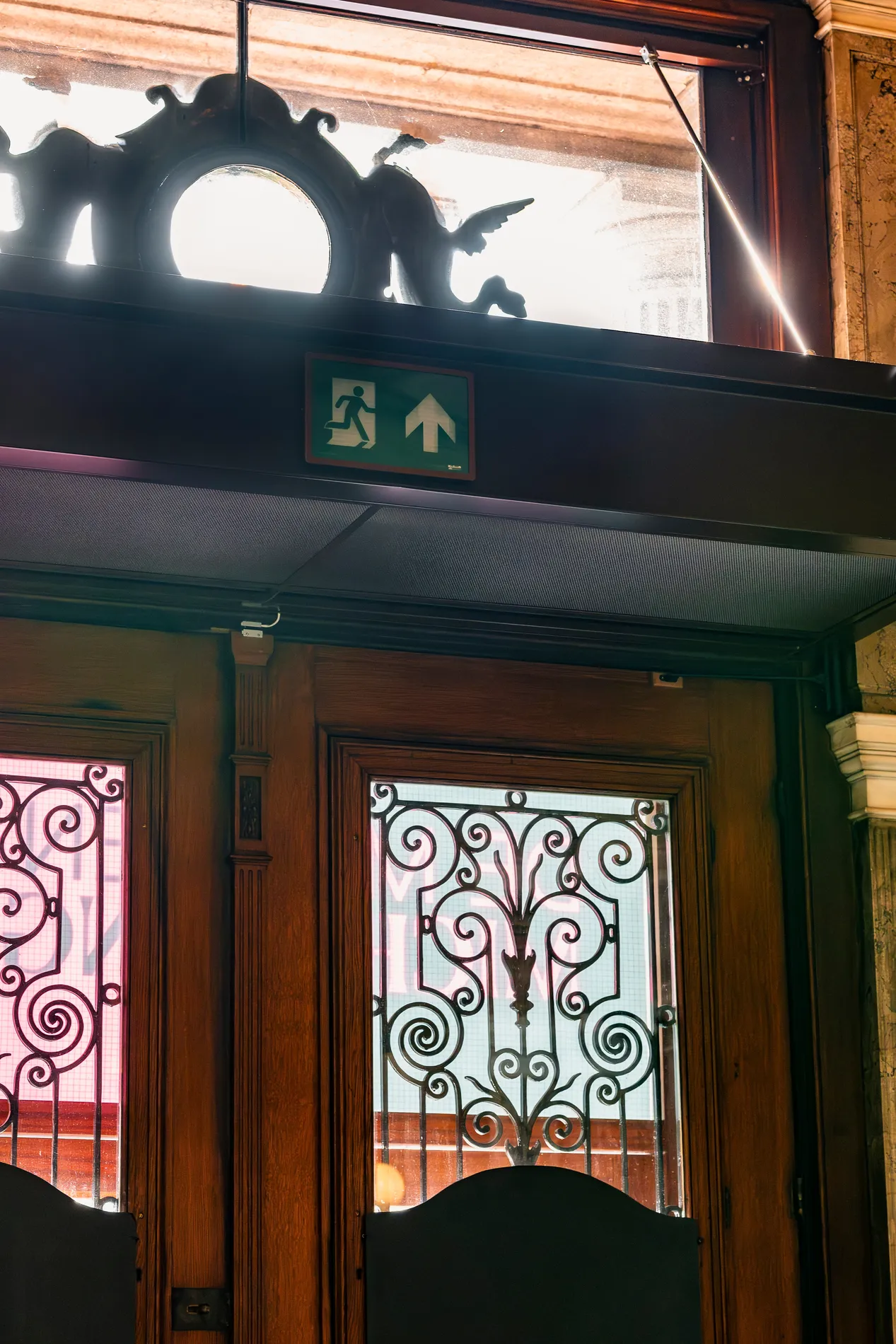
“The main aim of the work at the entrance was to prevent energy loss,” says Wouter Lips, Head of Facilities and Maintenance at Teylers Museum. “We also wanted to tackle the problem of cold. Staff are constantly stationed by the open door to welcome visitors and take their coats. Their comfort was sometimes put to the test, particularly in the winter months, when temperatures could fall to around 12-13°C. The air curtain from HVAC Nederland is changing that, ensuring a warm welcome and a comfortable working environment.”
Preserving the experience
Given the museum building’s listed status, Teylers Museum explored various technologies and configurations for the entrance. “Our main requirement was that the way visitors experience the historic space should not be disrupted,” says Lips. “That soon ruled out the idea of a glass draught lobby.” Frank Joosten of HVAC Nederland agrees that this was the right decision. “Draught lobbies only provide excellent separation between indoor and outdoor climates in theory,” he says. “They can only limit the flow of cold outdoor air. Whenever the door opens, cold outdoor air or warm indoor air enters the lobby, reducing its efficiency. Because visitors often do not wait for the door to close behind them and walk straight through, the separation between the indoor and outdoor climates is often completely negated. As a result, the lobby’s function is quickly disabled, meaning the investment no longer pays for itself.”
Demo model as a proof of concept
A glass lobby structure is also highly susceptible to dirt, Joosten points out. “As this would detract from the museum’s appearance, I proposed an air curtain as an alternative. It can achieve the required separation between indoor and outdoor climates without the need for a large, visible structure.” To demonstrate how it worked, Joosten suspended a stock model from a temporary scaffolding structure. “During the test phase, we looked not only at the air curtain’s performance and appearance, but also at its noise levels. The shape of the building, with a tall dome directly behind the hall, means reverberation is a concern. As well as Wouter Lips, several people from the Cultural Heritage Agency of the Netherlands and Haarlem City Council were present.”
Bespoke climate solution
“For sustainability reasons, we like to work with local companies,” Lips stresses. “We were also looking for a supplier willing to work with us to find the right solution. We did not want a standard product, but a climate solution tailored to the specific requirements and needs of our museum. HVAC Nederland was ideally placed to provide this. Frank Joosten gave a great deal of thought to the options with us, including the heating method. From an acoustic point of view, we preferred an air curtain heated by the central heating system. During the preparatory phase, we visited several reference projects, and we also found the demo model very useful.”
Energy efficiency and acoustic comfort in harmony
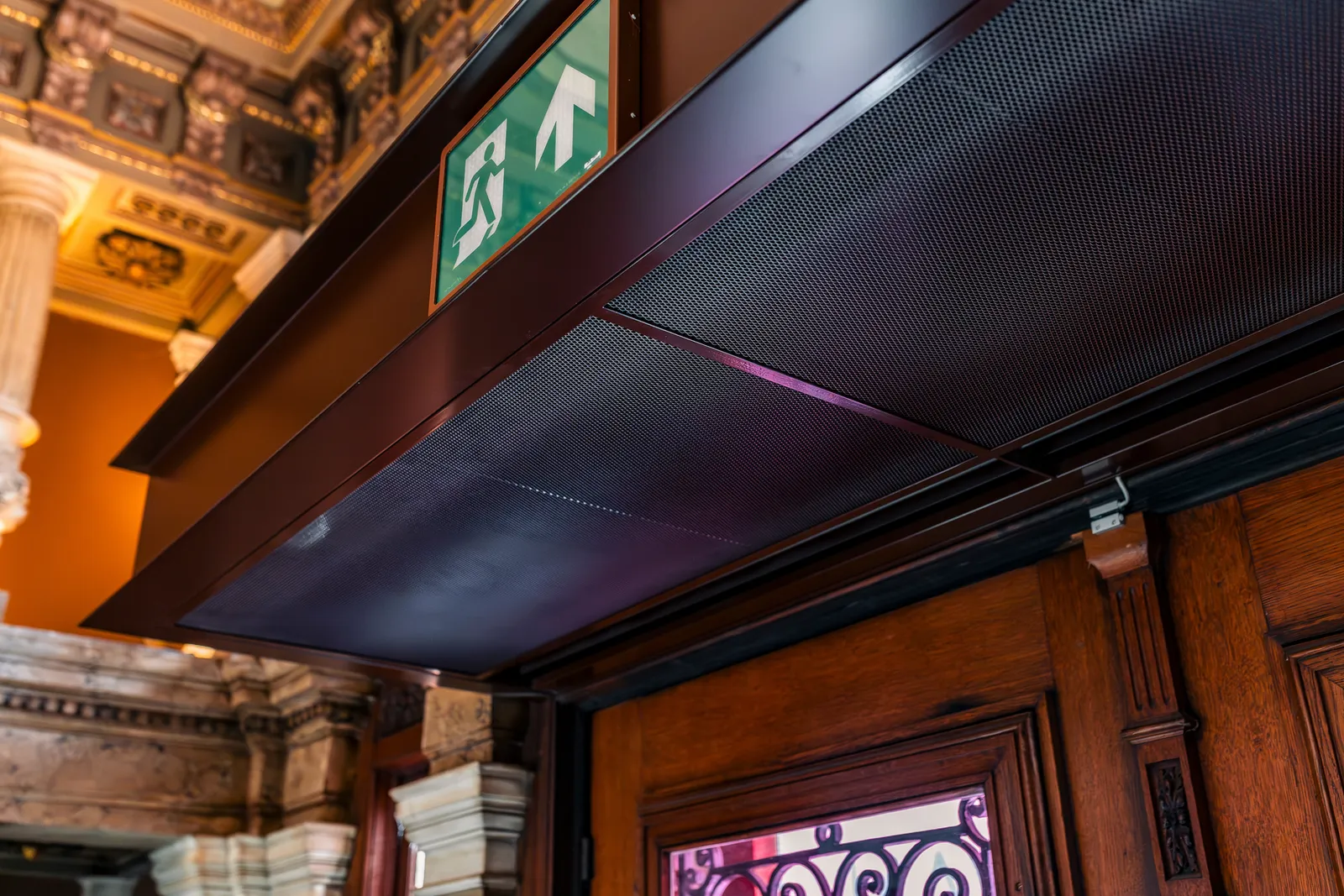
HVAC Nederland supplied a 2.40-metre-wide air curtain specially for Teylers Museum, suspended at a height of four metres beneath the fanlight. “The fans are slightly oversized, so they can run more slowly while still delivering the required airflow,” says Joosten. “Insulation materials have also been fitted to the fans and in the air intake, and a non-standard diameter supply pipe has been used for the hot water. Looking ahead, a heat exchanger has also been installed that is suitable for lower medium temperatures, as commonly found in heat pump systems. Together, these measures deliver a substantial reduction in noise and excellent energy efficiency.”
A natural fit in the space
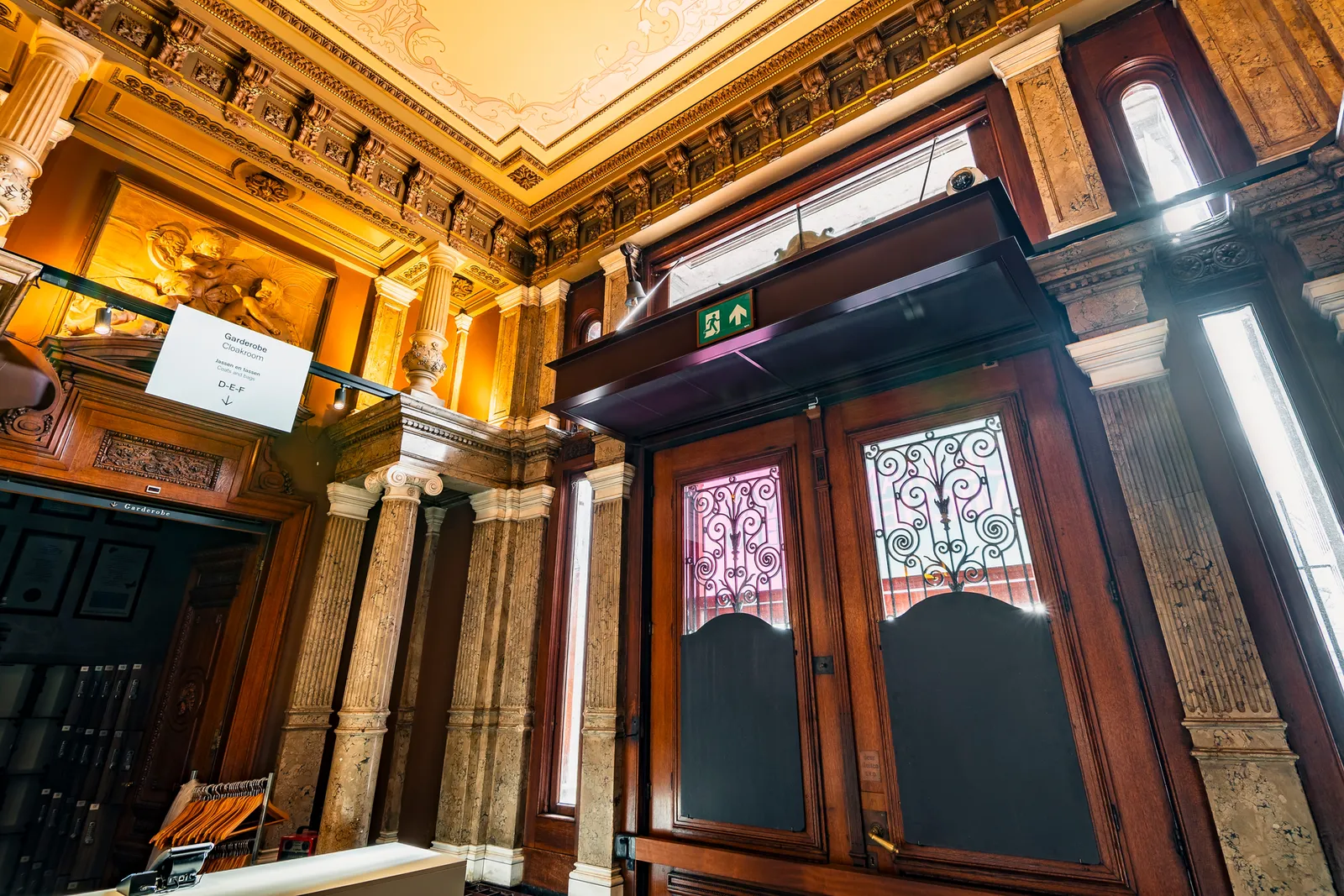
To ensure the air curtain blends in with the museum’s historic appearance, a set builder commissioned by Teylers Museum created a metal casing, Lips concludes. “Combined with a bespoke structure, the air curtain now sits naturally in the space.”
Question about this story? Ask your question
Keep following this
Get an email when a new story is published. No account needed.
- ThemeHealthy indoor air
- SubjectHVAC