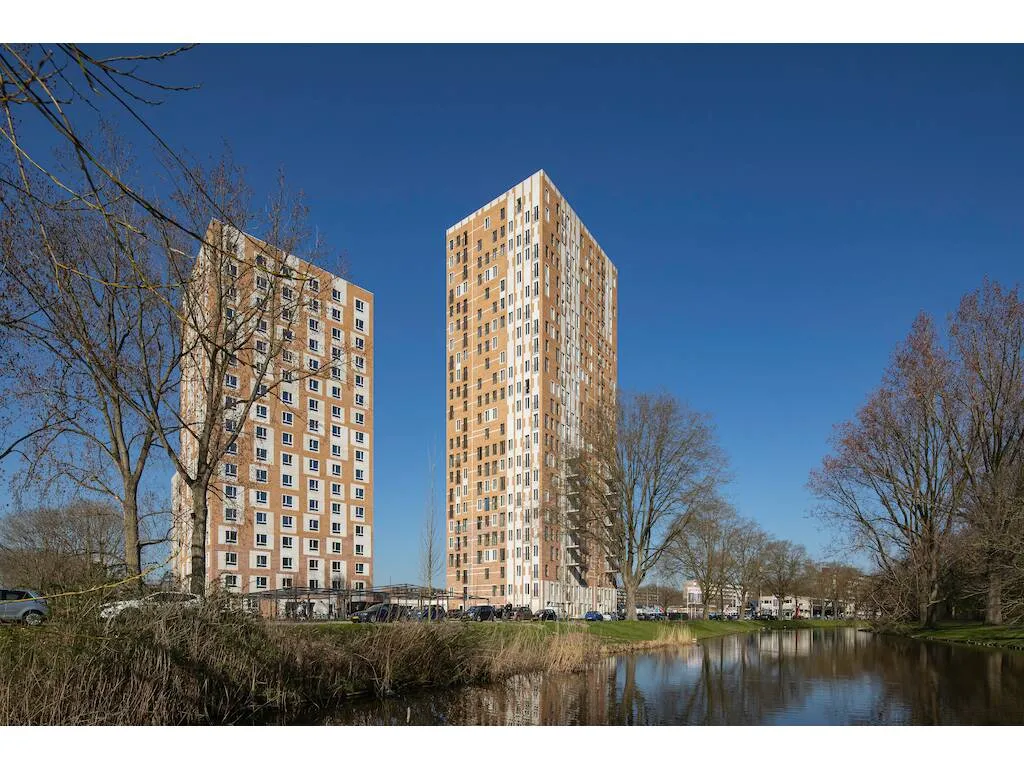
Energy-efficient room-by-room control: high-rise House of Groningen delivers comfort with decentralised system
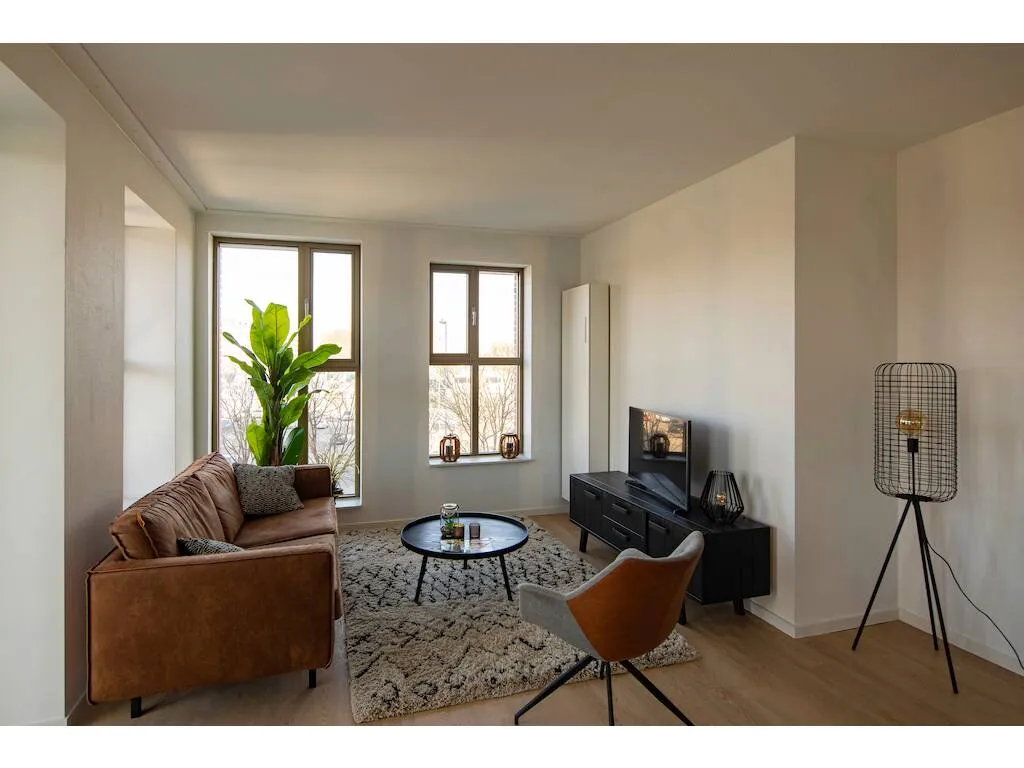
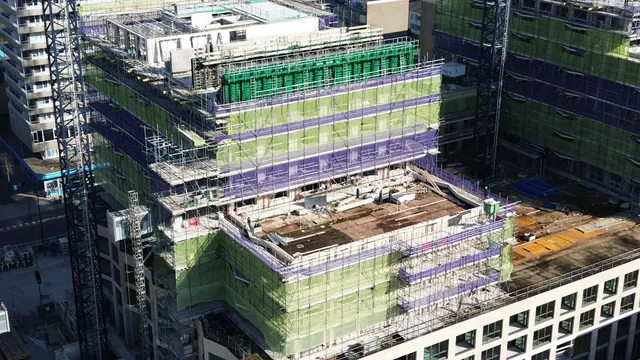
The House of Groningen residential tower has been fitted by client MWPO with a decentralised climate control system with heat recovery ventilation (HRV). This ensures residents enjoy homes with a high level of comfort and low energy consumption. Ventilation is controlled room by room using ClimaRad’s latest unit, the ClimaRad Ventura.
The 159 starter homes in House of Groningen were built for rental to young professionals. The decision to use ClimaRad’s decentralised ventilation solution was made because it saves building volume, says commercial director Ralph Liedenbaum. “Our concept consists of local heat recovery units that supply and extract air through the façade. The indoor climate is controlled room by room. This offers advantages over a central system. For example, there is no need for a plant room for the unit, making ventilation duct risers virtually unnecessary in the home. This is particularly important for high-rise projects. The space saved gives the architect greater design freedom, with more room for a practical layout.”
ClimaRad Ventura
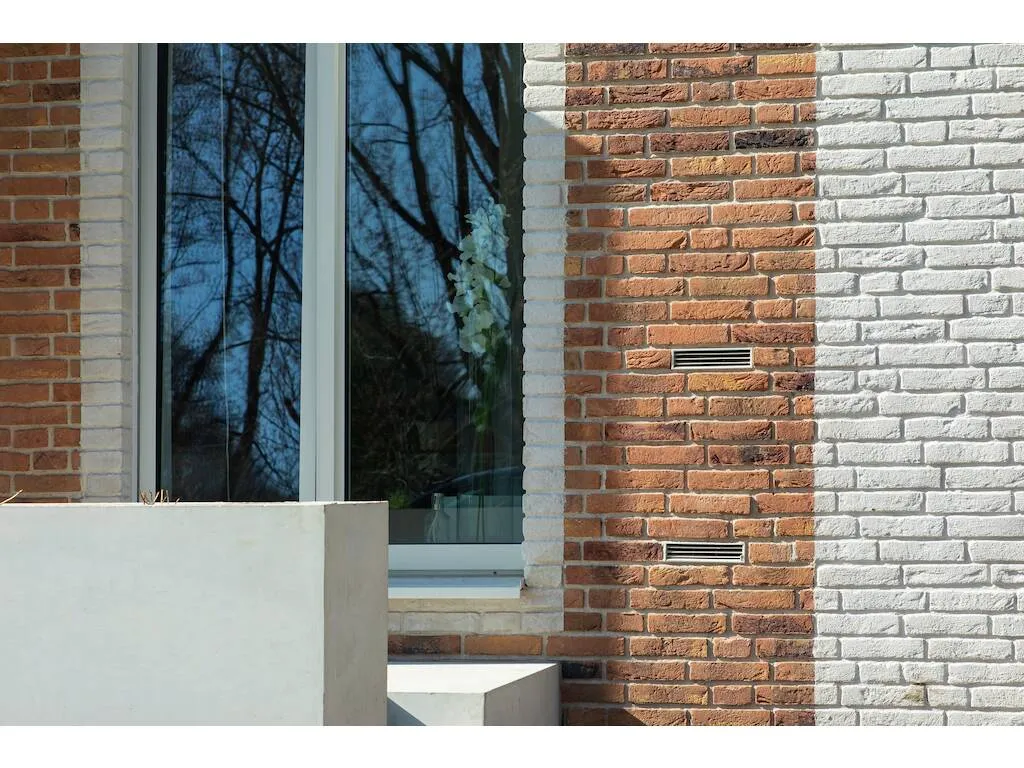
House of Groningen consists of one- and two-bedroom apartments. The ClimaRad Ventura V1D and Ventura V1X units were selected. These are the latest ventilation units, with multiple connection options, and are ideally suited to façades exposed to noise. Clean outdoor air is supplied into the room through the façade after being filtered and preheated by a heat exchanger. Stale air is extracted through a second penetration. The external grilles are integrated aesthetically into the façade and are almost impossible to spot. The ClimaRad Ventura V1D has the added advantage of being able to ventilate two rooms simultaneously. The unit has an additional connection at the top to provide ventilation to the second room. A small grille is fitted in this room, with the supply and extract air flows kept separate. Here too, ventilation is controlled based on CO2 measurements. All Ventura units have rear and side connections, making them suitable for all building configurations.
Plug and play
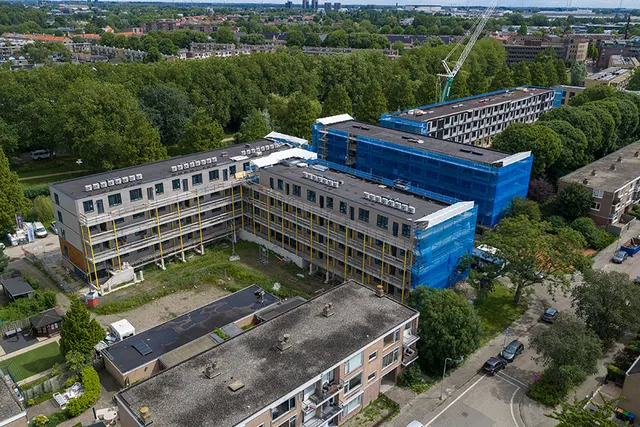
Aalbers Installatietechniek installed the heat recovery units in the complex. The work was carried out using a BIM model, which was checked every day against photographs taken from a crane. Overlaying the photographs and the design made it possible to check that everything was proceeding as it should. “This made the difference between the central system in the neighbouring complex and our solution very clear. A decentralised system is easy to install and therefore has almost no impact on the construction process,” says Liedenbaum. The installer fitted the ClimaRad systems shortly before the building was handed over. This was possible because the systems are very easy to install on a plug-and-play basis. House of Groningen is now occupied, and the units operate automatically using sensors that measure CO2, humidity, and indoor and outdoor temperatures. This provides each room with a comfortable and healthy indoor climate.
Also suitable for existing buildings
A decentralised ClimaRad system offers many advantages in high-rise buildings such as House of Groningen, but it can also save considerable time and space in existing buildings. Compared with other systems, installing a decentralised unit in an existing home is easier because the impact on the building fabric is minimal. In existing buildings too, the system provides residents with a high level of comfort and energy savings.
Question about this story? Ask your question
Keep following this
Get an email when a new story is published. No account needed.
- SubjectProjects