Limited roof space calls for smart air handling solutions
Text Lieke BousemaImage Vortvent
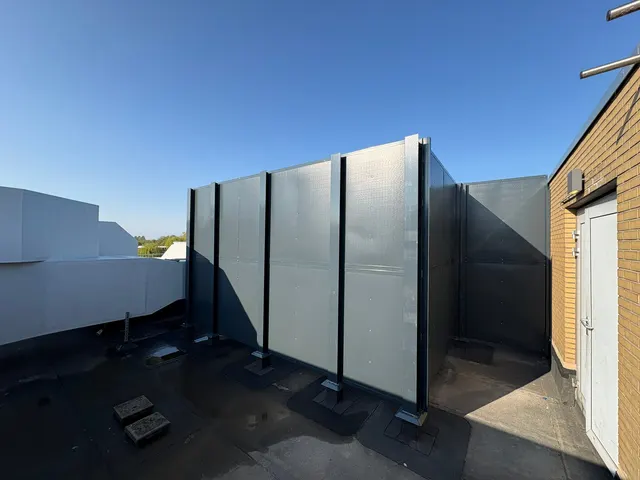
The available roof space on commercial and public buildings is becoming ever scarcer. Offices, schools, sports halls, healthcare facilities and government buildings are being fitted with solar panels on a large scale. That makes sense: a large roof area can generate a lot of renewable electricity for lighting, ventilation, cooling, heat pumps and other electrical installations. At the same time, the growing number of solar panels is creating new challenges. The more roof area is used for them, the less room remains for technical equipment such as air handling units. Accessibility for maintenance and servicing is also coming under pressure.
"Installers and maintenance engineers sometimes have to stand half on the solar panels to replace a filter," says Ton Kistemaker, director of Vortvent, a specialist in air handling and ventilation. "That is not only impractical, but can also put both the panels and the people carrying out the maintenance at risk. It is therefore wise to consider the position and accessibility of the air handling unit as early as the design phase."

Greater design freedom
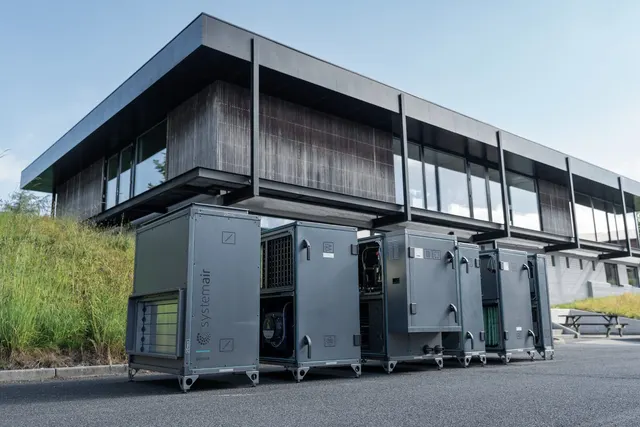
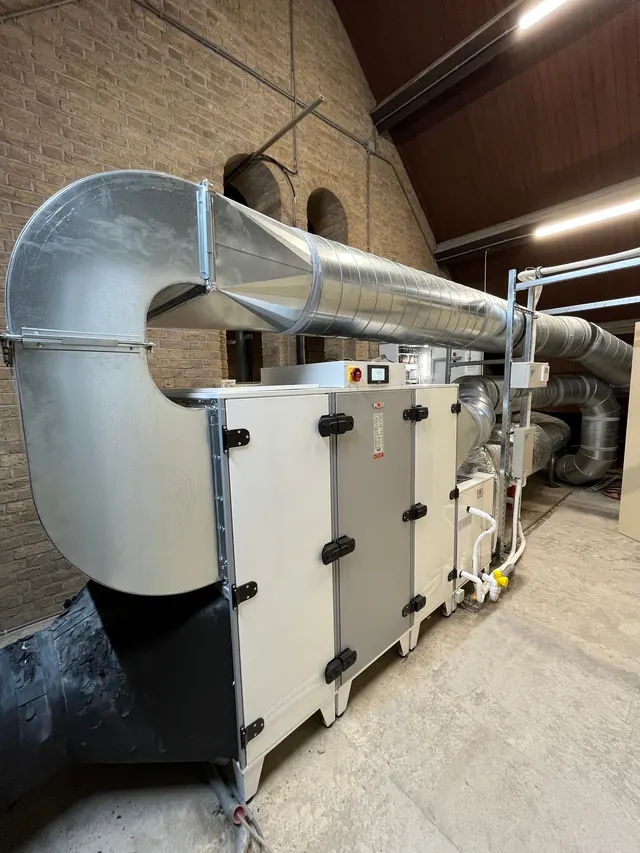
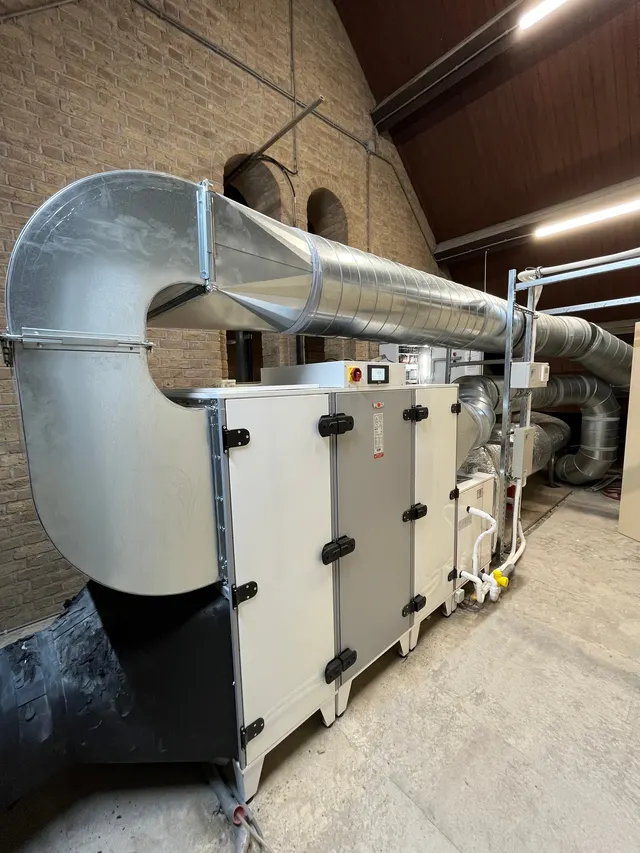
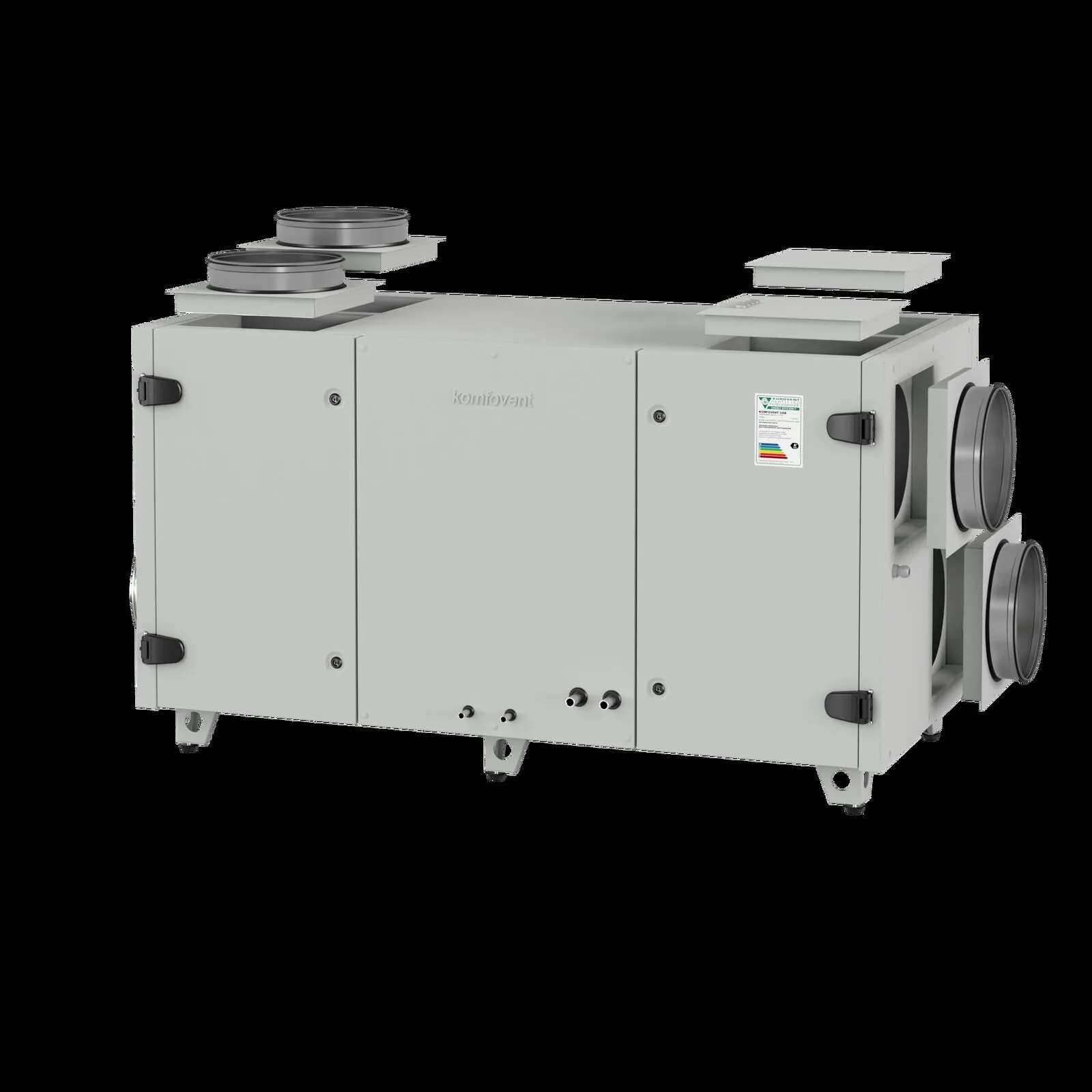
According to Kistemaker, one solution is to install the air handling unit indoors rather than on the roof. This not only frees up more space for solar panels, but also makes the unit easier to reach for servicing and maintenance. In addition, an indoor unit is not directly exposed to rain, wind and other weather influences, which can have a positive effect on its service life.
An indoor installation also offers more flexibility in the connection to the ductwork. "An air handling unit for outdoor installation usually has a horizontal connection. With an indoor installation, we can also opt for a top connection. A universal connection also makes it possible to switch between a top and a side connection. That gives designers and installers more options for positioning the unit in the plant room."
GACS regulations
Ventilation itself is also changing considerably. For many commercial and public buildings, a proper ventilation system is a statutory requirement. At the same time, there is growing attention to indoor air quality and to systems that automatically adjust their capacity to actual use. Kistemaker sees more and more companies anticipating the forthcoming GACS regulations, which set requirements for the automation, control and monitoring of technical building systems. "An existing installation does not always have to be replaced completely," he notes. "Sometimes it is enough to renew the control system. In other situations, however, replacing the complete air handling unit is a logical step."
Compact and flexible
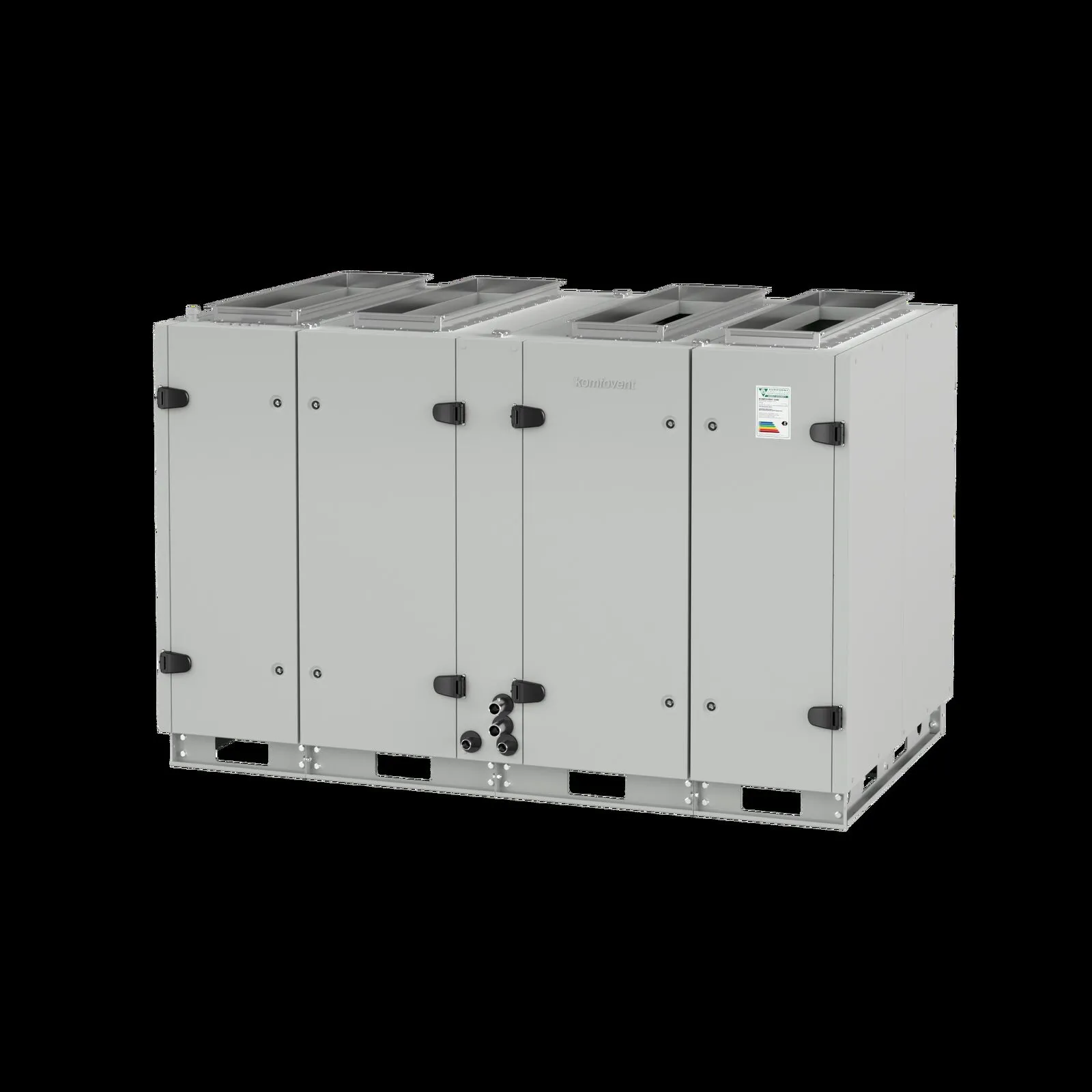
At the same time, air handling units are getting larger as a result of changing energy performance requirements. Kistemaker cites the ERP and Ecodesign regulations as an example. "To meet the stricter energy efficiency requirements, larger air handling units are needed. This must be explicitly taken into account in the design of the plant room. When the roof is used entirely for solar panels, an indoor installation is simply the only logical solution."
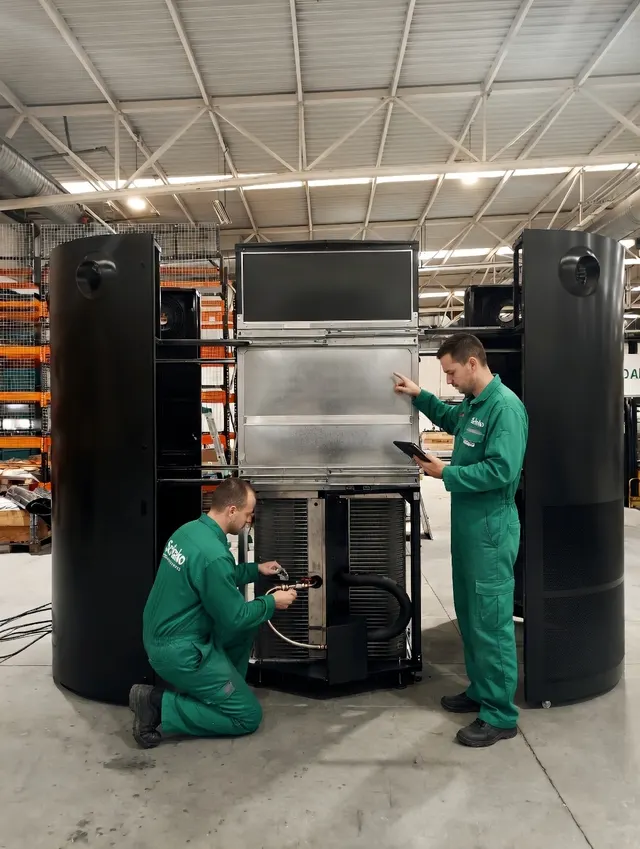
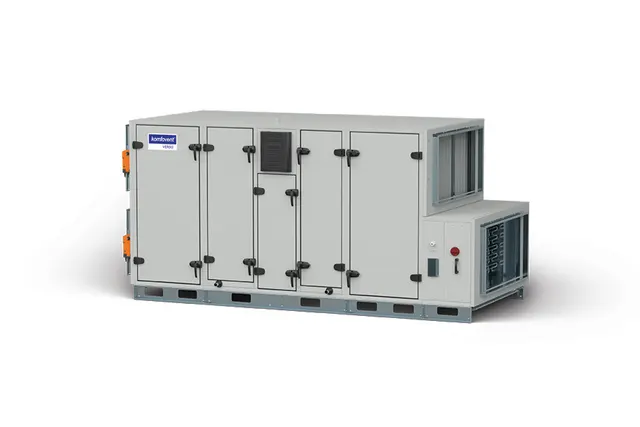
Vortvent offers an extensive range of VERSO Standard air handling units that address this. The plug-and-play units, with capacities from 800 to 7,000 m³/h, come as standard with a heat wheel or counterflow plate heat exchanger and energy-efficient EC fans. An advanced C5 control system provides simple operation and control, while Modbus (TCP/IP and RS-485) and BACnet protocols allow easy integration with the building management system in line with the GACS regulations. With the right selection, the units also meet Eurovent A or Eurovent A+. The units may also qualify for EIA subsidy.
A business enquiry for Vortvent? Get in touch
Companies in this story
Keep following this
Get an email when a new story is published. No account needed.
- ThemeHealthy indoor air
- SubjectAir handling
- CompanyVortvent