Maintenance, repair and overhaul of your emergency power system
Text Desiree PenningsImage Koninklijke Van Twist
Prevention is better than cure
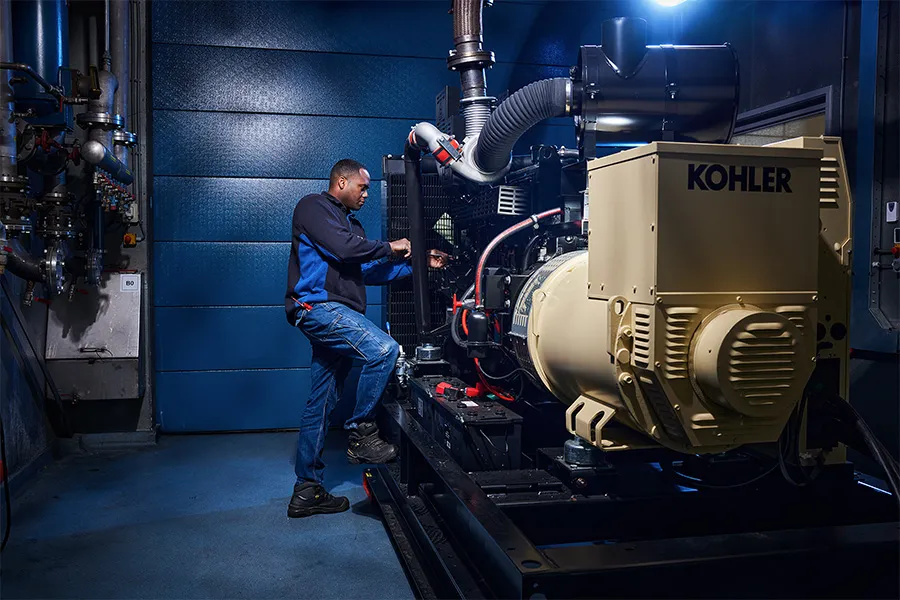
Koninklijke Van Twist (KVT) has been providing emergency power solutions for more than 85 years. Naturally, it is vital that these solutions perform as they should. Thorough maintenance, inspections, statutory testing and overhauls ensure the quality and reliability of the installations.
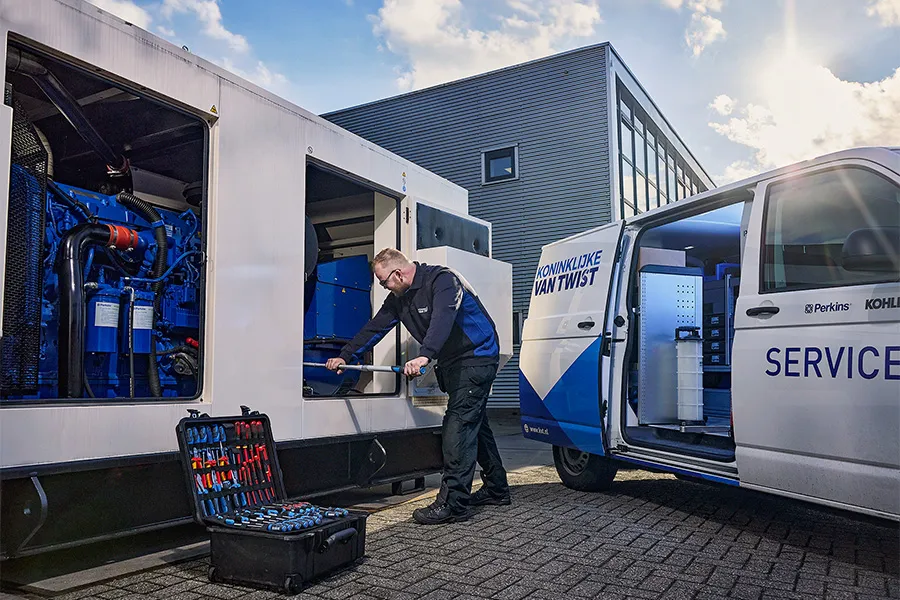
KVT is one of the largest providers in the Netherlands of brand-independent maintenance for emergency power systems. This means it services all makes, types and years of manufacture. Its engineers carry out maintenance and repairs, resolve faults and, where necessary, perform overhauls. A maintenance contract sets out the agreed arrangements, making clear to all parties what they can expect from one another.
Preventive maintenance
Preventive maintenance helps prevent unexpected system failures. KVT’s engineers also carry out legally required tests and inspections to ensure that systems continue to comply with legislation and regulations. By combining these activities efficiently, KVT saves its customers time and, ultimately, money. KVT’s maintenance service covers more than just the generator set. The control panel and fuel system can also be maintained on request.
It may seem strange to maintain an emergency generator regularly when it is almost always on standby. However, maintenance is important, says Mark Scheurwater, sales manager at KVT. “The fact that a generator set has few operating hours is no reason not to maintain it. Precisely because it is idle, it needs monthly checks and annual preventive maintenance.”
New service location in Amsterdam
All customers with a service and maintenance contract are guaranteed a response time of four hours. KVT’s nationwide service network is designed to meet this commitment. In response to an increase in service work in the Amsterdam region, a new service location has recently opened there. “Opening this new service location means we are even closer to the operation and can respond faster,” says Scheurwater.
A second life
There is a common assumption in the industry that an emergency power system around twenty years old, with few operating hours, is still in top condition. In practice, however, these systems prove particularly susceptible to engine faults. Gaskets and seals in the engine harden over time and begin to leak. This natural ageing process has nothing to do with the low number of operating hours, but is simply a matter of age. These internal leaks often only come to light when the engine is running under load, potentially causing serious engine damage and unwanted downtime.
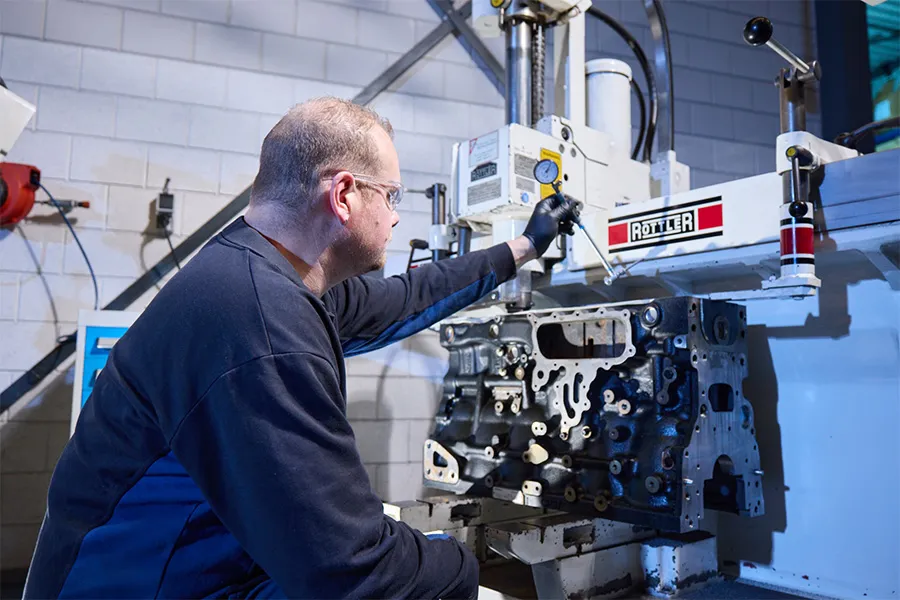
Scheurwater says: “In these situations, we regularly recommend a partial overhaul. A thorough inspection identifies the components that need replacing. The engine is then completely dismantled, cleaned and rebuilt with the necessary new components and seals. In many cases, this is a cost-effective and sustainable solution for the customer. It gives the engine a second life, complete with the associated warranty. This is far more sustainable than scrapping a system and buying a new one. An overhaul fits perfectly with the sustainability objectives of many companies. We have therefore seen the number of overhauls increase in recent years. From a circular economy perspective, companies would rather give an emergency power system a second life. It is an excellent alternative to buying new.”
Question about this story? Ask your question
Keep following this
Get an email when a new story is published. No account needed.
- ThemeBuilding electrical systems
- SubjectElectrical engineering