‘Drinking water shortages are the new grid congestion!’
Text Lieke BousemaImage Wildkamp
Smart water management: inspiration for the installation and construction sectors
Many parts of the Netherlands are grappling with grid congestion as a result of the accelerated energy transition and rising demand for energy. Less well known is that we are also facing drinking water congestion. “Our drinking water shortage is still unfolding somewhat under the radar”, admits Rudolf van de Velde, product specialist at Wildkamp. “Yet the security of our drinking water supply is at stake. If we are not careful, we will face a substantial shortfall as early as 2030. According to the National Institute for Public Health and the Environment (RIVM), the Human Environment and Transport Inspectorate and the Netherlands Environmental Assessment Agency, the situation is urgent and smart water management is essential.” During several knowledge sessions in March, Wildkamp will show professionals in the installation and construction sectors why smart water management is needed and what it can achieve, with rainwater management, rainwater reuse and pumping technology as the main topics.
A range of initiatives are being developed to tackle the major drinking water shortage. “The first step is raising awareness”, says Van de Velde. “On average, a person uses 129 litres of water a day, and that figure could certainly be a little lower.” If residents use water more consciously and, for example, take shorter showers, this will help curb the drinking water shortage, he says. “The same applies to water-saving technologies such as shower heads, taps and toilets.”
Rainwater reuse
The next step is reusing rainwater. “We use around 35 litres of drinking water a day to flush the toilet and 17 litres to wash our clothes”, says Van de Velde. “We also use an average of around 1,100 litres of treated drinking water a year to water the plants in our gardens. That is wasteful and unnecessary, as rainwater is perfectly suitable for this purpose. Given the drinking water shortages, we expect rainwater systems to become increasingly standard, for example in sustainable construction projects.”
Practical and sustainable
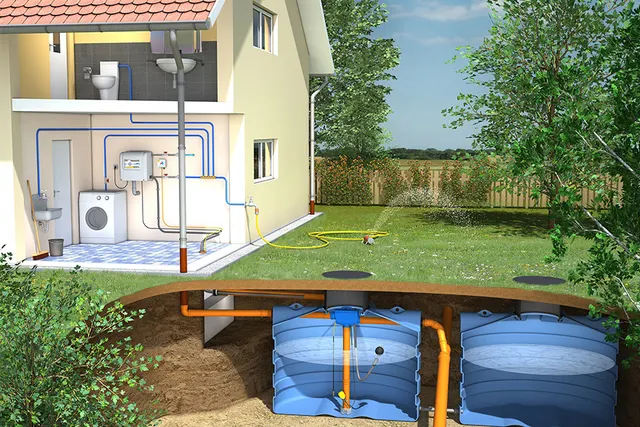
A rainwater system is a practical and sustainable way to collect and use rainwater, says Van de Velde. “The system collects water from the roof and channels it through gutters and filters into a storage tank. The water is then filtered again before being used for everyday purposes such as flushing toilets and washing clothes.”
For homes and businesses alike
As well as private homes, rainwater systems are ideally suited to larger buildings such as apartment blocks, schools, campsites and sports centres, says Rick van Dijken, branch manager at Wildkamp Roden. “Using rainwater to flush toilets, for example, can also lead to significant drinking water savings here. Businesses can also use rainwater, for instance for cleaning or as process water.”
Knowledge sessions
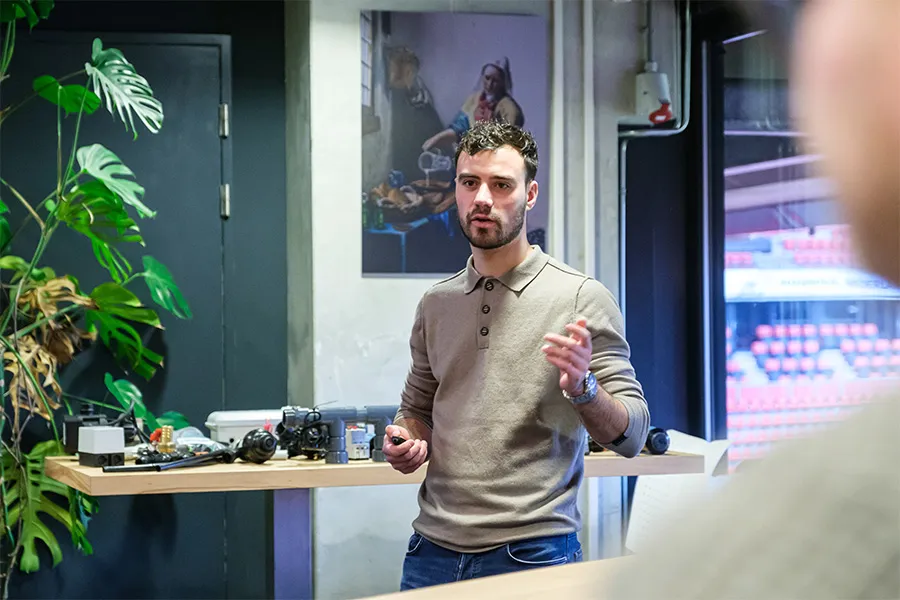
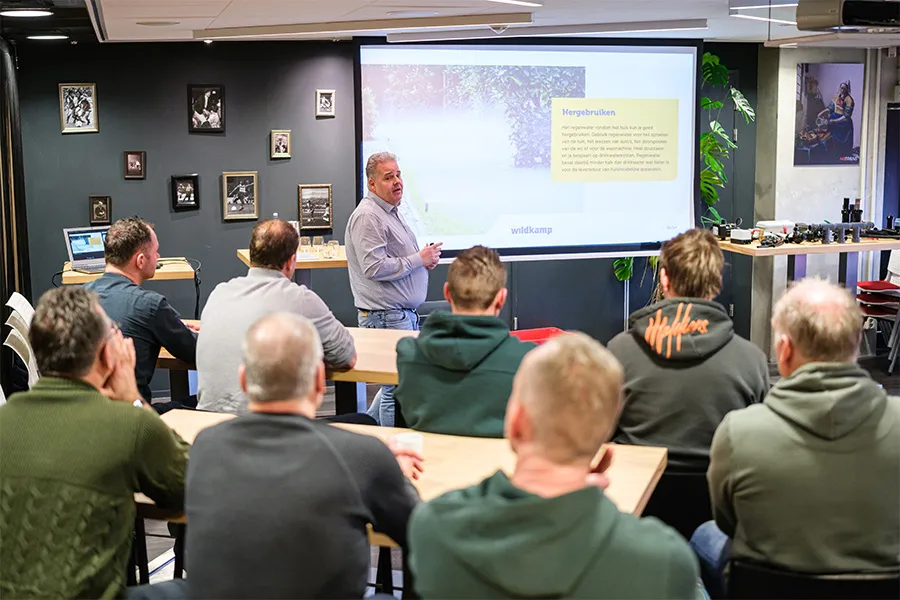
Wildkamp has many years’ experience in rainwater collection and infiltration. “We are keen to share the knowledge we have gained over the years to inform and support professionals in the installation and construction sectors”, says Van Dijken. “Our knowledge sessions on smart water management are one way of doing this.” Each session begins with a short introduction to drinking water issues, expected changes to legislation and regulations, and the various measures recommended by the RIVM, he says. “The sessions then cover rainwater systems. What do you need to consider when designing and installing one?”
Bespoke solutions
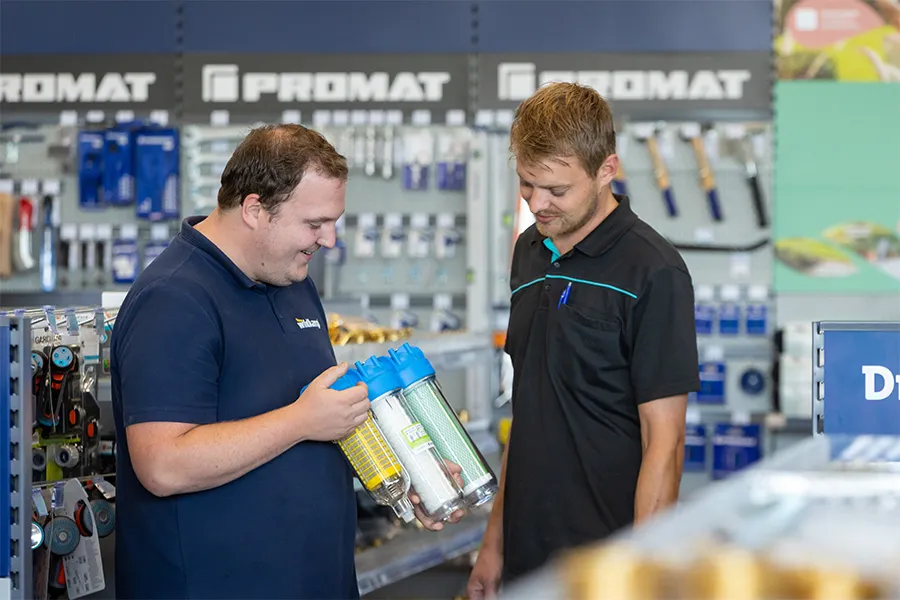
“Designing a rainwater system involves more than simply installing crates, a storage tank, pumps and pipes”, Van de Velde stresses. “A good design is bespoke and must take into account factors such as roof area, rainfall and the water consumption of the home or business. That is why we explore these topics in detail. We also cover the various types of storage tanks (plastic or concrete), filters (leaf catchers, silt traps, sediment filters and activated carbon filters) and pumps (inside or outside the tank, with a variable frequency drive or pump controller).”
Rainwater infiltration
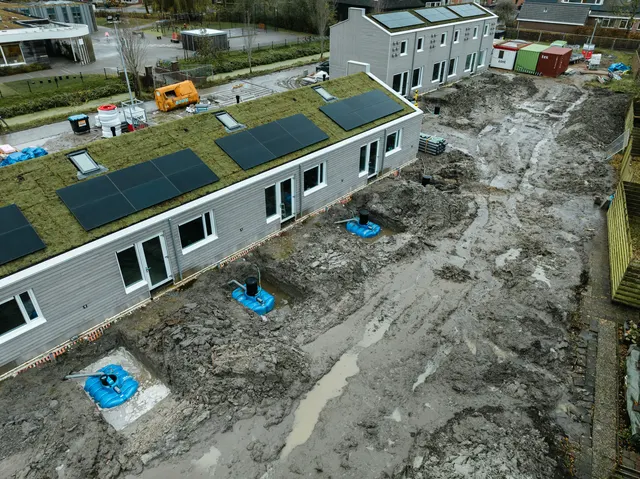
Rainwater infiltration is an important complement to rainwater collection when the rainwater storage tank is full. “Rainwater infiltration ensures that excess rainwater is not discharged straight into the sewer, but instead soaks into the ground on the property”, says Van Dijken. “This helps replenish groundwater, reduces pressure on the sewer system and prevents the soil from drying out.”
Guest speaker
Each knowledge session also includes a presentation by guest speaker Jeroen Renders of Drop2Drink (D2D) Water Solutions, who explains how a specially developed unit can convert rainwater into water of drinking water quality. Each session lasts one day and takes place at an interesting venue in the Netherlands, with an extended lunch and guided tour also provided.
The knowledge sessions on smart water management are scheduled for:
11 March: De Grolsch Veste Enschede
13 March: Maaspoort Den Bosch
18 March: AFAS Stadion Alkmaar
20 March: Madurodam Den Haag
25 March: TT circuit Assen
Register easily at wildkamp.nl/kennisevents
A business enquiry for Wildkamp? Get in touch
Companies in this story

Keep following this
Get an email when a new story is published. No account needed.
- ThemeFuture-proof water and sanitary systems
- SubjectWater treatment
- CompanyWildkamp